Die Geschichte dieses Hauses
Pago de Espejo wurzelt in der Provinz Jaén, dem Herzschlag der Olivenölindustrie weltweit. Seit Generationen baut dieser Familienbetrieb, La Condesa, Olivenbäume mit Respekt vor den Rhythmen der Jahreszeiten und den ancestralen andalusischen Gesten an. Jaén produziert mehr als ein Viertel des weltweiten Olivenöls; diese Zahl allein zeigt die Dichte des Know-hows, die Tiefe der roten Böden, die unerbittliche Grosszügigkeit der Sonne, die jede Olive prägt.
Das Haus Pago de Espejo verkörpert diese Philosophie des kompromisslosen Terroirs: kein Handel, kein externer Eintrag, sondern die Überzeugung, dass Exzellenz aus Geduld und Nähe zwischen Baum und Mühle entsteht. Diese Vertikalität — vom Obstgarten zur Presse — garantiert eine Rückverfolgbarkeit, die wenige beanspruchen können.
Das Besondere an diesem Produkt
Die Sorte Picual ist das robuste Kind von Jaén. Sie produziert ein dichtes Öl, das von Natur aus hitzebeständig ist. Aber jenseits der analytischen Zahlen ist es das Geschmacksprofil, das sprach: eine klare Fruchtigkeit, eine leichte Bitterkeit und dieser charakteristische Pfefferton, der am Gaumen haftet, Zeichen von Frische und Vitalität. Picual-Sorten weichen nicht aus; sie bekräftigen ihre Natur.
Das Pressen innerhalb von 24 Stunden nach der Ernte, durch Kaltextraktion und mechanische Verfahren, garantierte die Erhaltung dieser flüchtigen Aromen, dieser sattgrünen Farbe, dieser Integrität, die drei Monate Lagerung zerstört hätten. Dies ist eine Entscheidung, die nur wenige Hersteller akzeptieren: die Disziplin der kurzen Zeit, das Fehlen von Zwischenlagerung, das wirtschaftliche Opfer zum Wohle des Geschmacks.
Im Mund
Drei Charakterzüge
Tippen Sie auf eine Karte: woran man eine Picual erkennt.
Wie wir es serviert haben
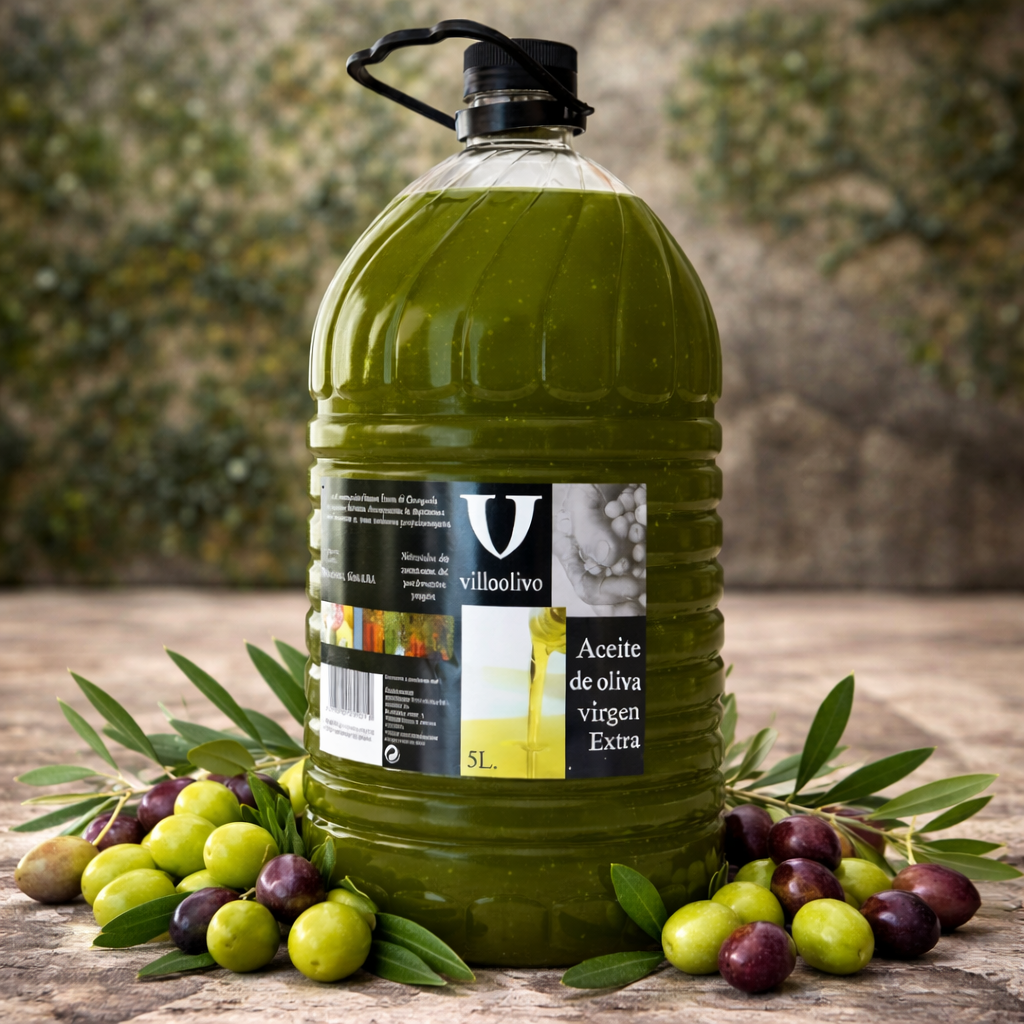
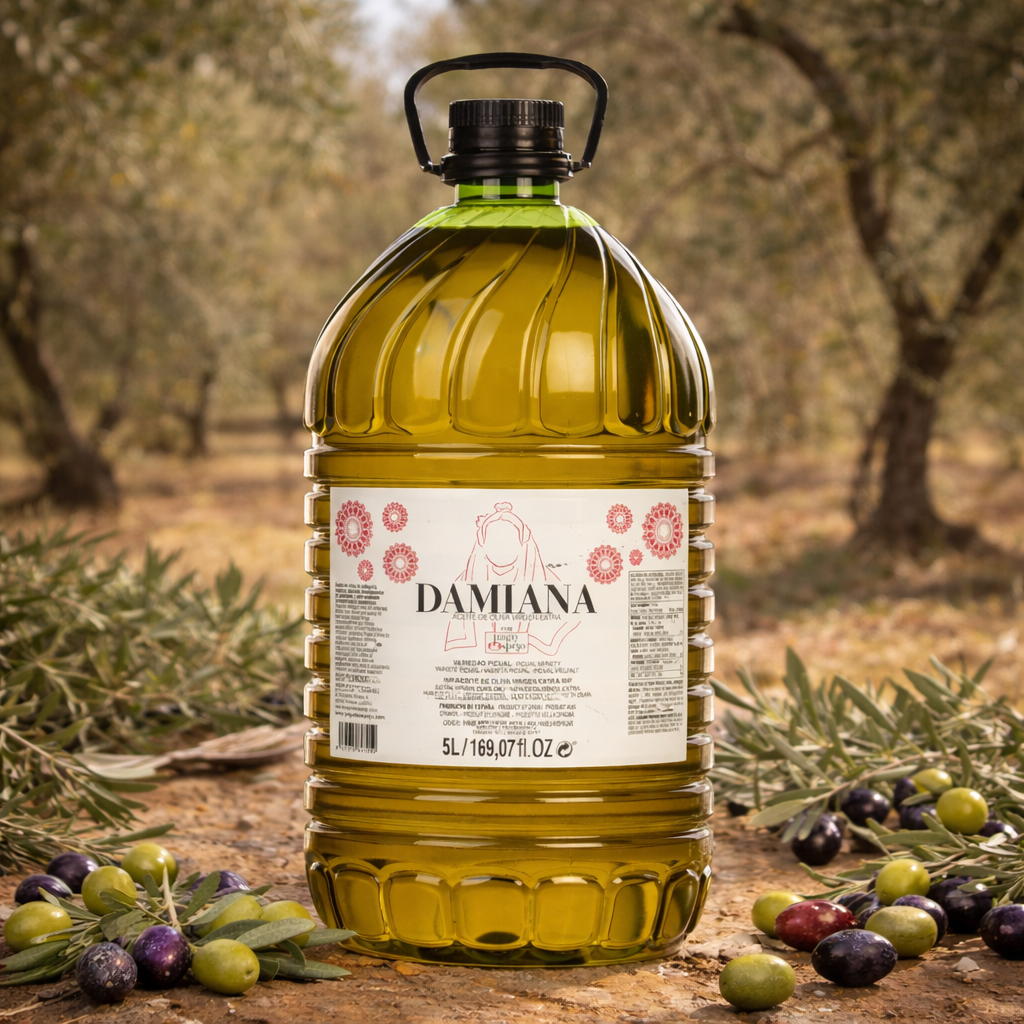
Dieses 5-Liter-Gefäss war für tägliche, professionelle und grosszügige Nutzung bestimmt. In der Heimatküche fand es seinen Platz: roh über eine Wintersuppe gegossen, über gerade gekochte frische Nudeln, als finales Tröpfchen über einen gegrillten Fisch. Dieses Öl fürchtete sich nicht vor Sichtbarkeit; es war ihrer würdig.
Für leichte Gastronomie — wo ein Haus Freunde oder kleine Gruppen empfängt — ermöglichte es diese Tischriten: geröstetes Brot, eine Platte Tomaten, eine Kanne in Reichweite. Sie war auch das Konservierungsöl, das man über geröstetes Gemüse giesst, das bestimmt ist, einige Tage im Kühlschrank zu bleiben.
In der Fritteuse oder mittlerer Garstufe machte ihre aussergewöhnliche Stabilität den ganzen Unterschied: Picual hält Temperaturen aus, ohne zu degradieren, ohne zu schwärzen, ohne diesen bitteren oder verbrannten Nachgeschmack zu hinterlassen, den man müden Ölen vorwirft.
Je nach Verwendung
Vier Arten, sie einzusetzen
Ein Öl, das roh ebenso überzeugt wie beim Kochen.
Warum es unser Kellerei verlassen hat
Jedes Produkt durchläuft seinen Zyklus. Nach einer zeitweiligen Präsenz hat dieses 5-Liter-Gefäss natürlich seine Rotation beendet — Serienende, Ernteserie-Ende, oder einfach eine Atempause des Katalogs, um Platz für andere Entdeckungen zu schaffen. So funktioniert eine Kellerei: kein Beharren auf Dauerhaftigkeit, sondern die gelassene Akzeptanz, dass jedes Haus, jeder Jahrgang, jedes Format seinen Platz räumen muss, wenn die Zeit gekommen ist.
Um mehr zu erfahren
Falls Sie dieses Öl zur stabilen Verwendung in der täglichen Küche oder professionellen Nutzung suchten, bietet unsere Kategorie der nativen Olivenöle extra andere Möglichkeiten. Andalusische Häuser stellen uns weiterhin ihre Picual unter anderen Formaten oder Jahrgängen zur Verfügung; Regionen wie Katalanien oder Extremadura bieten komplementäre Sorten — delikater oder robuster je nach Ihrem Bedarf. Die Kellerei bleibt aufmerksam gegenüber diesen kleinen Herstellern, die bei der Dauer des Pressens und der Kaltextraktion keinen Kompromiss eingehen. Konsultieren Sie unsere aktuelle Auswahl an Premium-Ölen, um diese Philosophie wiederzufinden.
Die Kellerei ist ein lebendes Notizbuch: Wir archivieren aus Respekt, aber der aktive Katalog entwickelt sich weiter. Siehe unsere aktuelle Auswahl in dieser Kategorie → · oder durchsuchen Sie die komplette Kellerei.
Kleiner Test
Würden Sie eine Picual erkennen?
Vier Fragen, die Antworten stehen im Artikel.