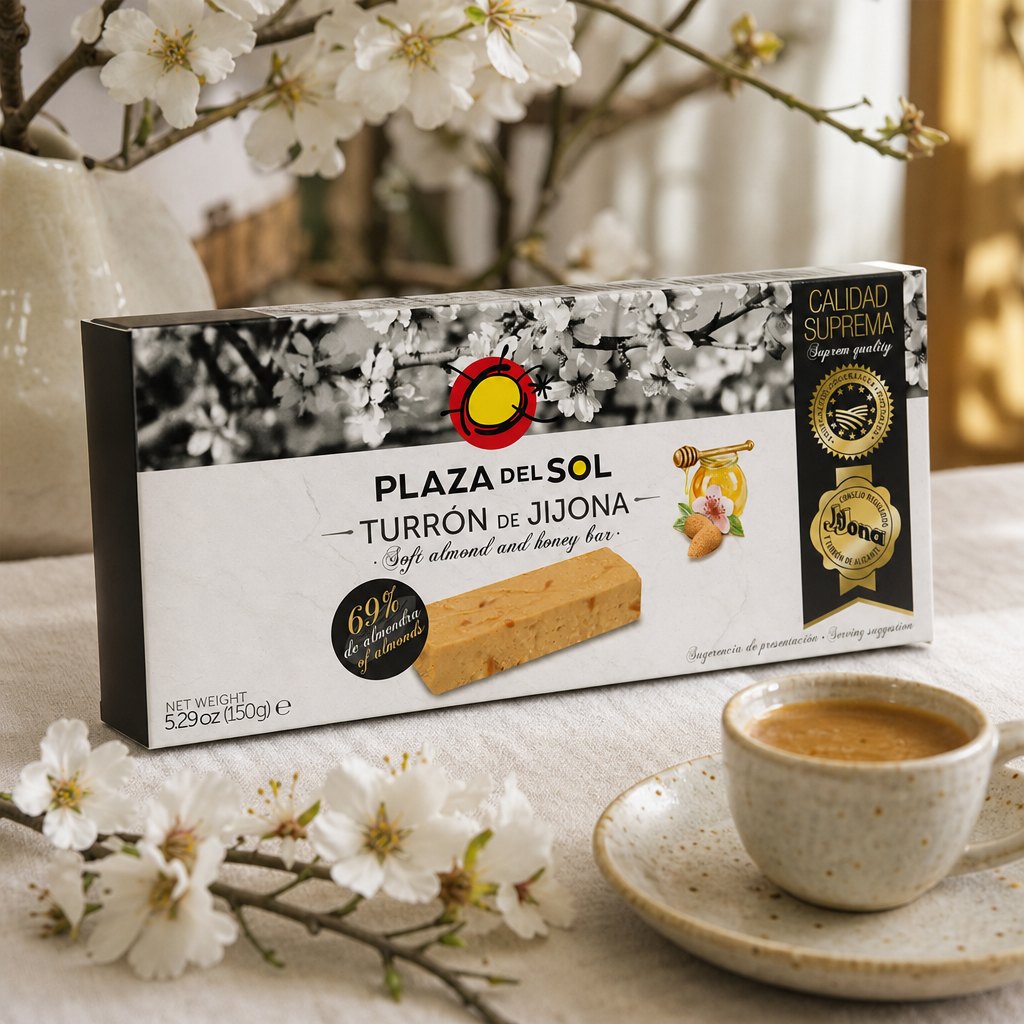
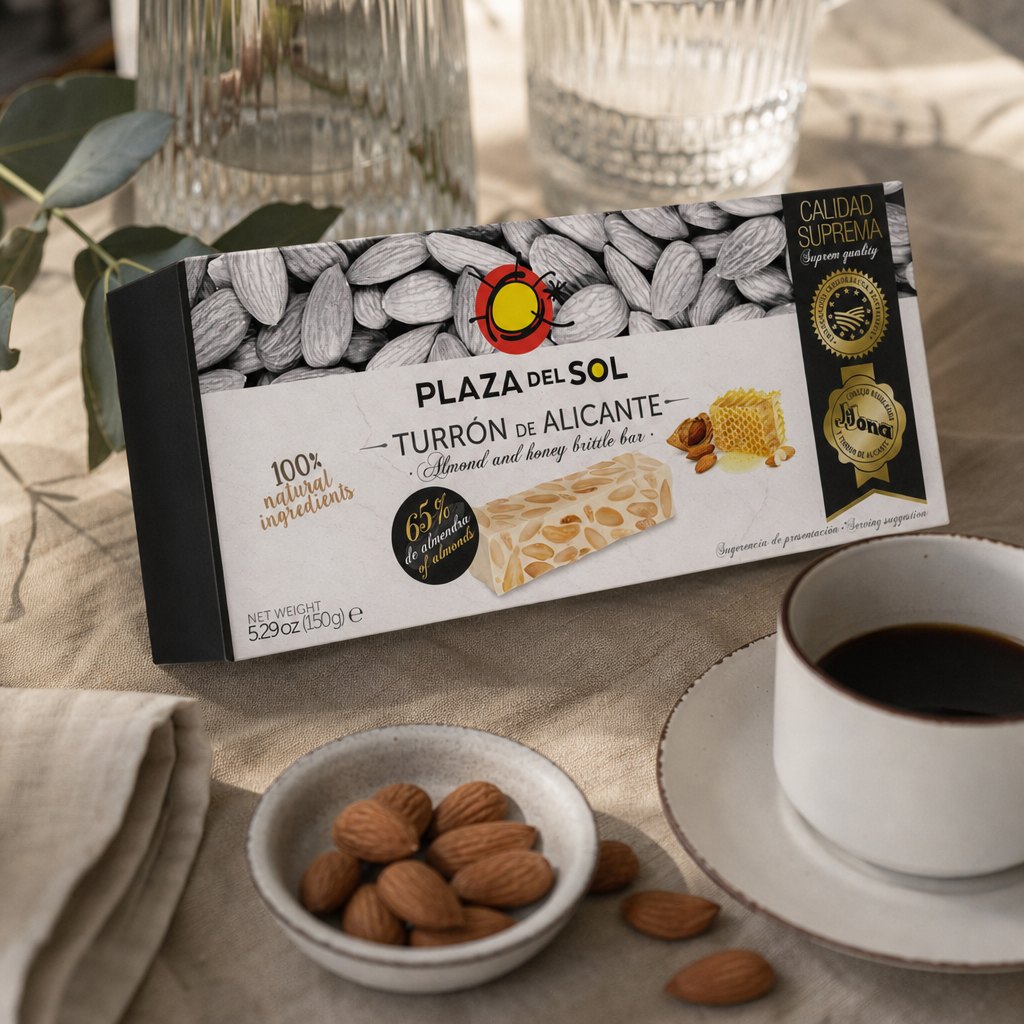
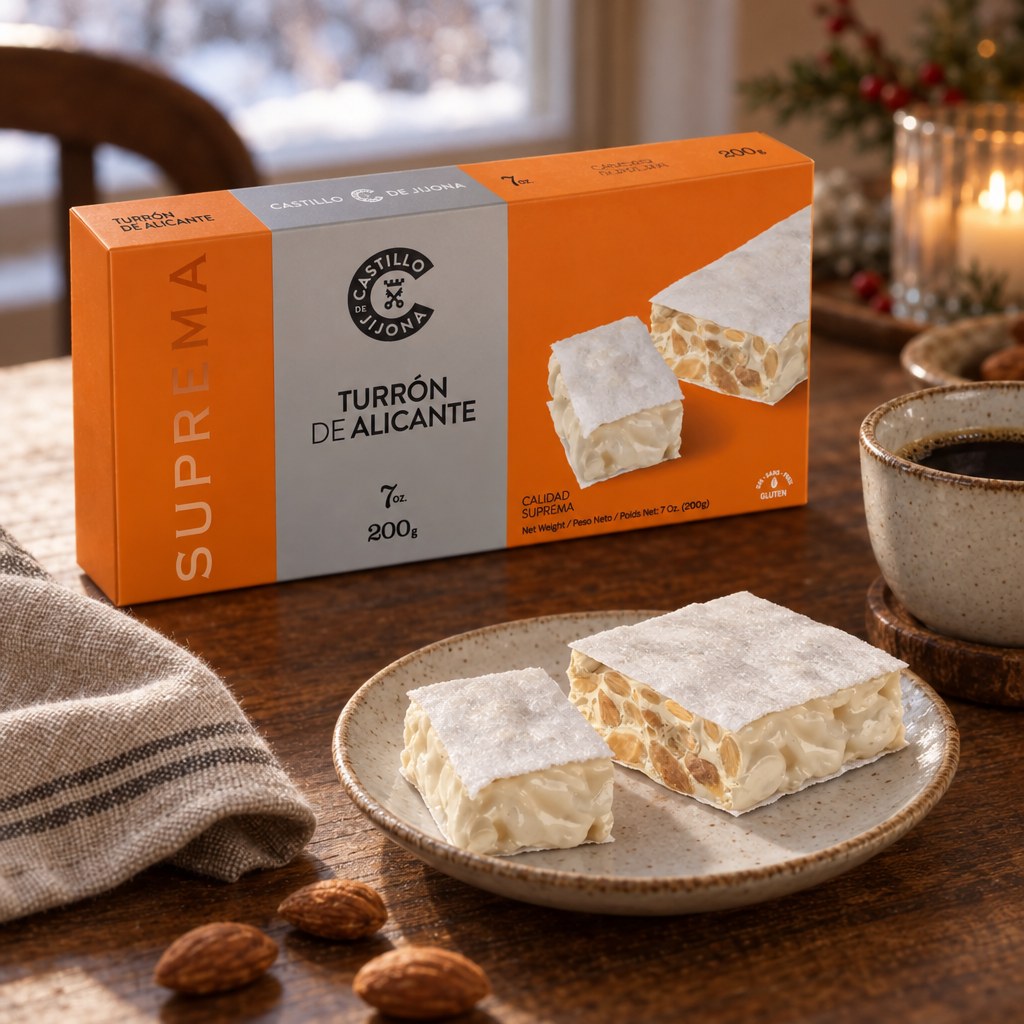
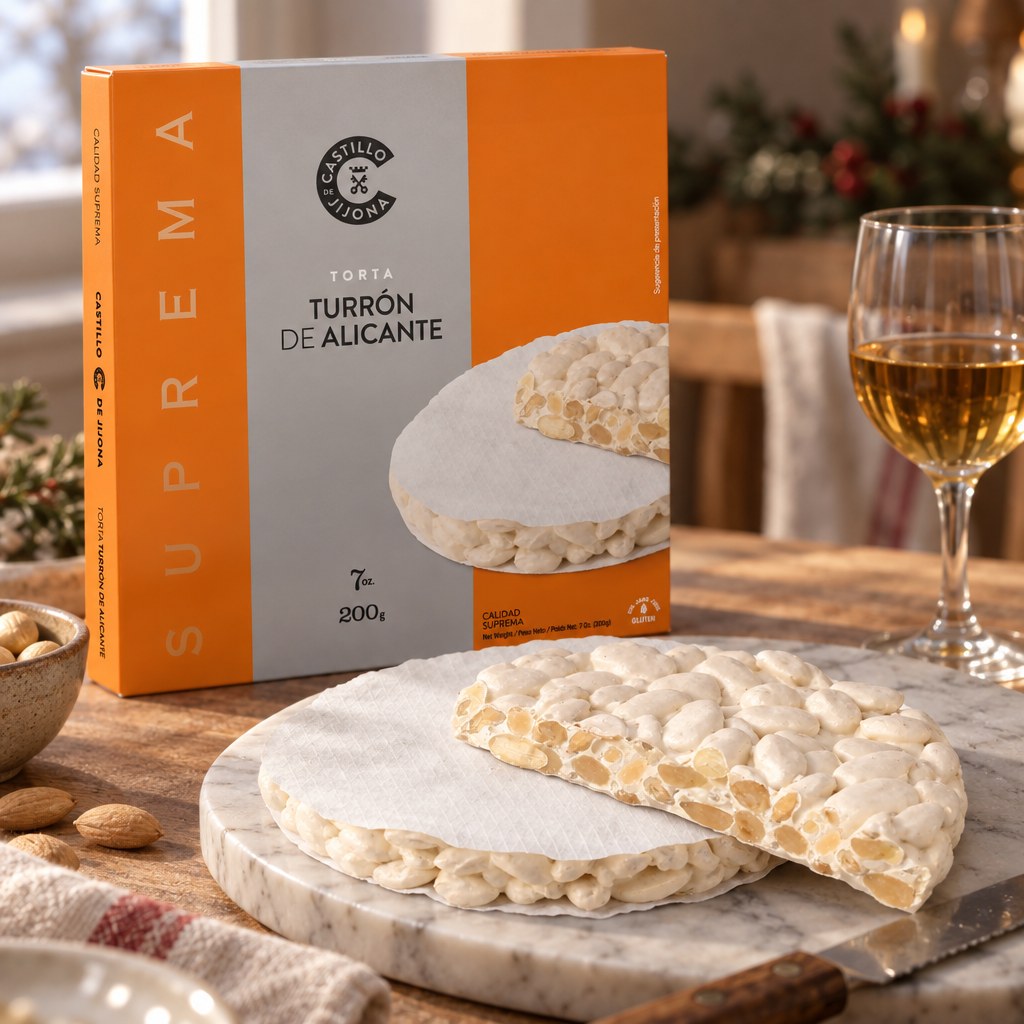
Sur une étiquette de pimentón, de jambon ou de safran, ces trois lettres apparaissent souvent sans explication. On les voit, on les ignore, on passe à la caisse. C'est une erreur. DOP, IGP et STG sont des certifications européennes contraignantes, auditées et traçables — pas des mentions publicitaires. Comprendre leur différence change la façon dont on achète, dont on cuisine, et dont on parle de ce qu'on mange.
Ce que chaque label garantit exactement
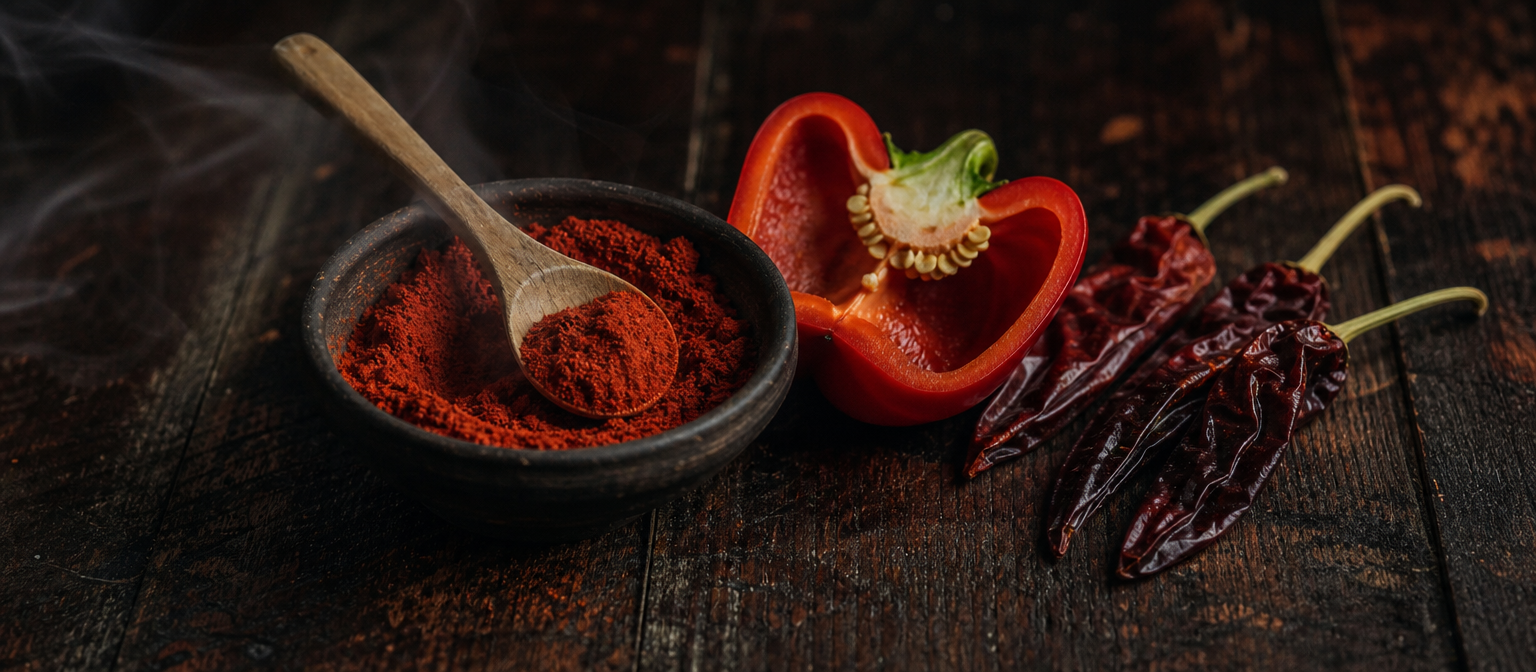
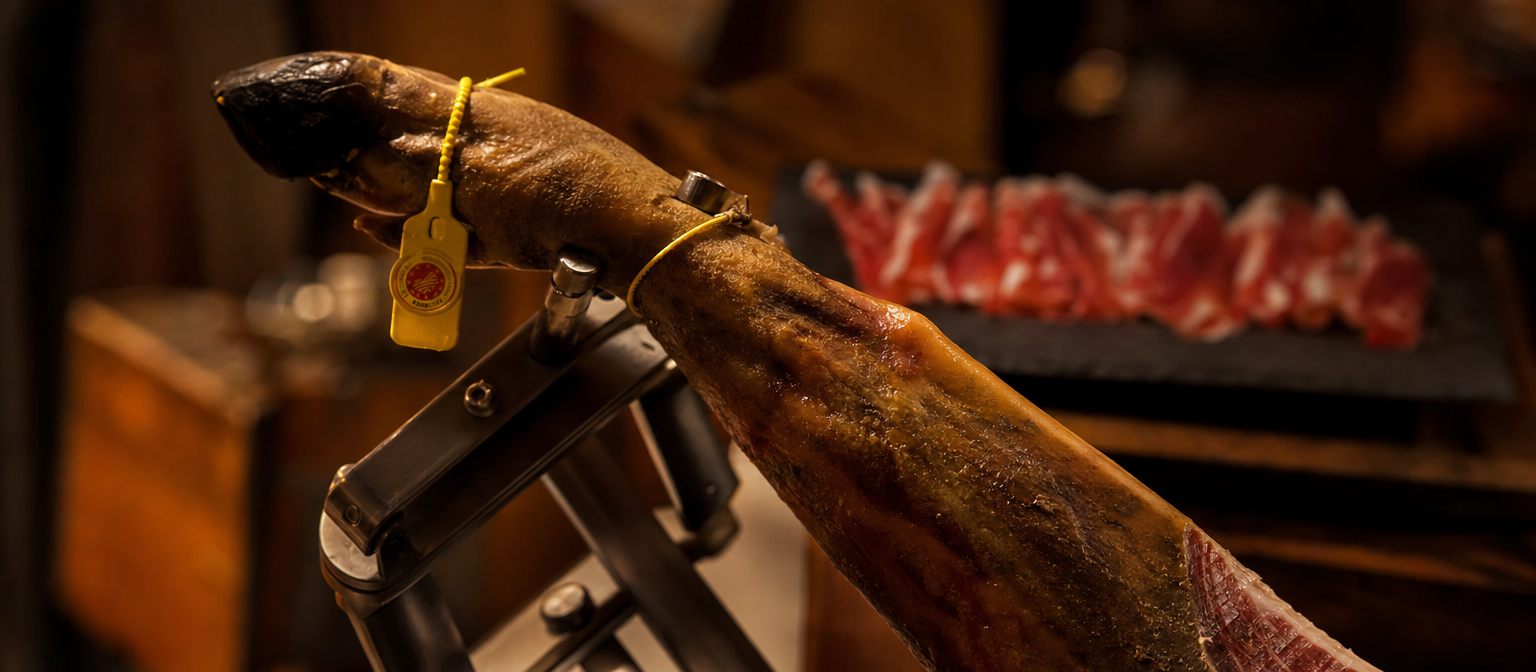
La DOP — Denominación de Origen Protegida est le niveau d'exigence le plus élevé. Elle impose que la production, la transformation et l'élaboration aient lieu entièrement dans une zone géographique délimitée. Le Pimentón de la Vera est fumé lentement au bois de chêne et de chêne vert dans la vallée du Tiétar, en Estrémadure. Le Azafrán de La Mancha doit pousser, être cueilli à la main et mondé dans la province de Castille-La Manche. Le Jamón de Jabugo — depuis 2017 sous DOP propre, distinct du Huelva — exige que le porc ibérique soit élevé en montanera dans un périmètre précis autour du village de Jabugo. Si une seule étape échappe à la zone, la DOP tombe.
L'IGP — Indicación Geográfica Protegida est plus souple: au moins une étape de production doit avoir lieu dans la région concernée. Le Cordero Manchego, agneau de race manchega, entre dans cette catégorie. L'animal naît et grandit en Castille-La Manche, mais certaines transformations peuvent s'effectuer ailleurs. L'IGP protège le lien entre un produit et son territoire d'origine sans exiger que toute la chaîne y reste ancrée.
La STG — Especialidad Tradicional Garantizada (ou ETG en espagnol) fonctionne différemment: elle ne protège pas un lieu, mais une méthode. Le Jamón Serrano certifié STG peut être produit n'importe où en Europe, à condition de respecter un cahier des charges précis sur le séchage, le salage et la durée d'affinage minimum. C'est une garantie de procédé, pas de provenance.
« La dénomination d'origine est une forme de propriété collective des producteurs d'une région. Elle ne protège pas une marque, elle protège un territoire.»Règlement UE n°1151/2012 sur les systèmes de qualité
Les trois labels
Un lieu, une étape ou une méthode ?
Touchez un label : ce qu'il garantit, avec un exemple de l'article.
Comment vérifier et pourquoi ça compte en pratique
Chaque produit certifié porte un numéro de lot et, sur les DOP et IGP espagnoles, une contre-étiquette numérotée délivrée par le conseil régulateur (consejo regulador) propre à chaque appellation. Ces conseils — il en existe un distinct pour le Pimentón de la Vera, un autre pour le Manchego, un autre pour Jabugo — publient leurs cahiers des charges et leurs listes de producteurs certifiés. La base de données européenne eAmbrosia (accessible librement) recense l'ensemble des appellations enregistrées, leur statut et leur règlement. En trente secondes, on peut vérifier si un produit est réellement sous protection ou si le fabricant emprunte un nom géographique sans y avoir droit.
Pourquoi ça compte pour vous, acheteur en Suisse? Parce que le marché est saturé d'imitations qui utilisent des noms évocateurs — « style serrano», « façon manchego», « type vera» — sans être soumis à aucun contrôle. Un pimentón doux produit en Murcie n'a pas la même structure aromatique qu'un Pimentón de la Vera DOP fumé lentement. Un jambon serrano sans STG peut avoir été affiné huit mois en conditions industrielles. La certification n'est pas une promesse de perfection, mais c'est la seule garantie objective et vérifiable que le produit a été contrôlé par un organisme indépendant.
Les douze DOP espagnoles les plus représentatives que l'on rencontre en épicerie fine:
- Pimentón de la Vera — paprika fumé d'Estrémadure, en doux, mi-fort ou fort
- Azafrán de La Mancha — safran de Castille, parmi les plus tracés d'Europe
- Jamón de Jabugo — jambon ibérique de la Sierra de Aracena, Huelva
- Jamón de Guijuelo — ibérique de Salamanque, affiné en altitude
- Queso Manchego — fromage de brebis manchega, lait cru ou pasteurisé
- Aceite de Siurana — huile d'olive de Catalogne, arbequina majoritaire
- Aceite del Baix Ebre-Montsià — huile de Tarragone, olive morruda
- Vinagre de Jerez — vinaigre de xérès vieilli en solera
- Cava — vin mousseux méthode traditionnelle, principalement Penedès
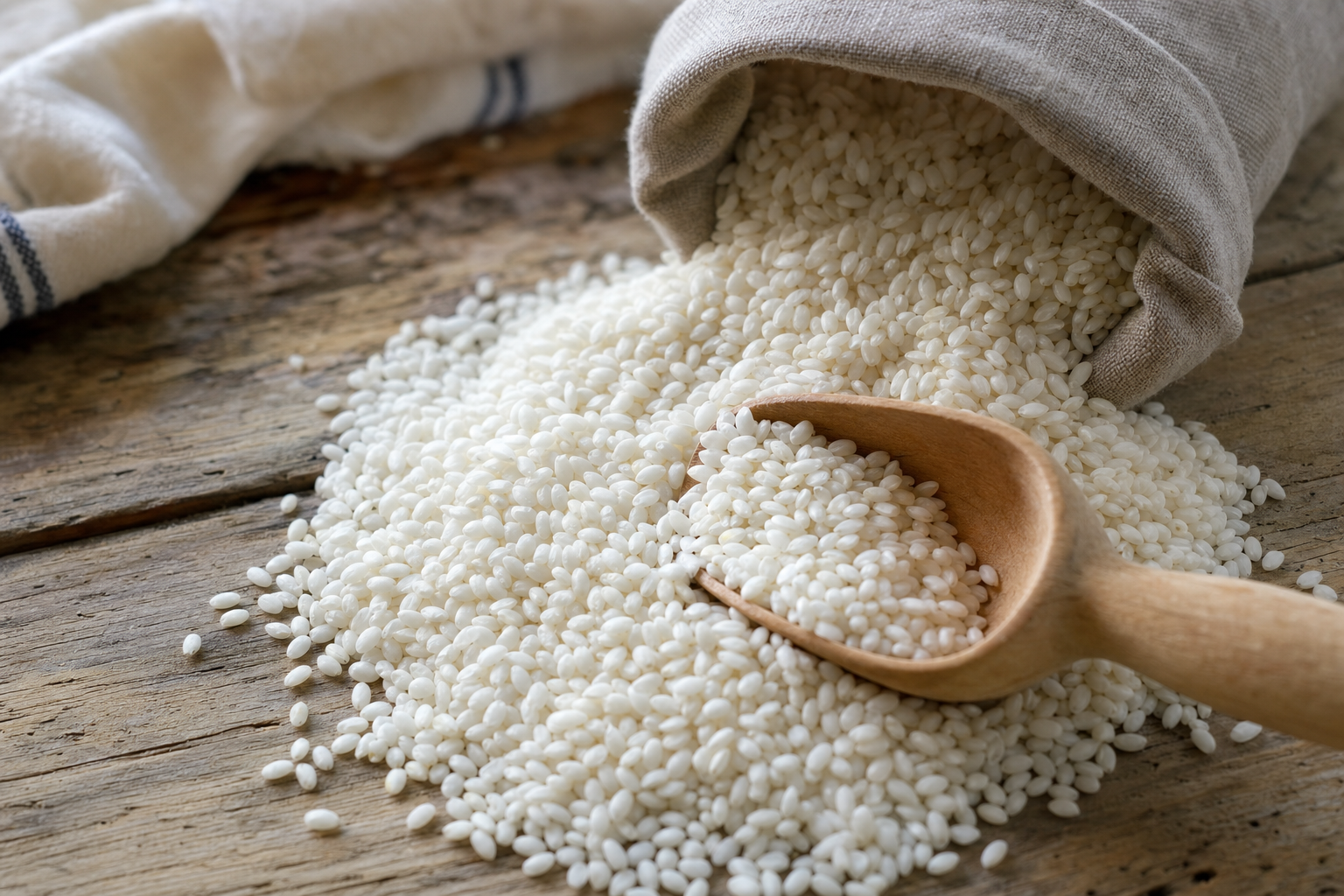
- Arroz de Valencia — riz rond de l'Albufera, base historique de la paella
- Miel de Granada — miel de montagne des Alpujarras
- Sobrasada de Mallorca — charcuterie crue aux herbes, porc noir baléare
Quand je reçois un lot de Pimentón de la Vera, je retourne systématiquement la boîte pour retrouver le numéro de lot et la mention du consejo regulador. Ce réflexe prend cinq secondes. Il me confirme que le lot a été contrôlé, que l'humidité à l'encapsulage était dans les normes, et que le fumage respecte le bois autorisé. C'est aussi simple que de vérifier une DLC — et c'est tout aussi utile.
En pratique
Quatre réflexes avant d'acheter
Ce que l'on regarde sur l'étiquette, et où vérifier.
Ce qu'il faut retenir
La DOP garantit que l'intégralité du cycle de production — de la matière première à l'élaboration finale — reste dans une zone géographique définie et contrôlée. L'IGP impose au moins une étape dans la région d'origine, ce qui protège le lien territorial sans l'exiger en totalité. La STG certifie une méthode traditionnelle reproductible partout, sans ancrage géographique obligatoire. Ces trois labels sont vérifiables publiquement via la base eAmbrosia de la Commission européenne. Aucun n'est une promesse de goût absolu — mais tous sont des outils concrets pour acheter sans se fier uniquement au packaging.
Chez Orígenes, les produits référencés sous DOP ou IGP sont identifiés comme tels dans les fiches produits. Vous pouvez explorer l'ensemble de notre sélection dans notre catalogue, ou parcourir directement notre rayon épicerie fine ibérique. Livraison en Suisse en 3 à 7 jours ouvrables, retours gratuits sous 14 jours.
Petit test
Savez-vous lire une étiquette ?
Cinq questions, les réponses sont dans l'article.