The Iberian harvest calendar: what to buy when
Iberian products have their seasons, like vegetables at the market. New oil in November, saffron from October, bonito in summer. Knowing this calendar changes how you buy — and what you put on your plate.
There are people who buy the same bottle of olive oil all year round, without wondering when it was pressed. It's a bit like eating tomatoes in January. You can eat them, but it's not the same thing. Iberian harvests follow a precise rhythm, dictated by autumn rains in Extremadura, by schools of fish moving up the Cantabrian Sea, by the hands of saffron pickers in La Mancha. Learning this calendar is the beginning of buying differently.
What autumn and winter have to offer
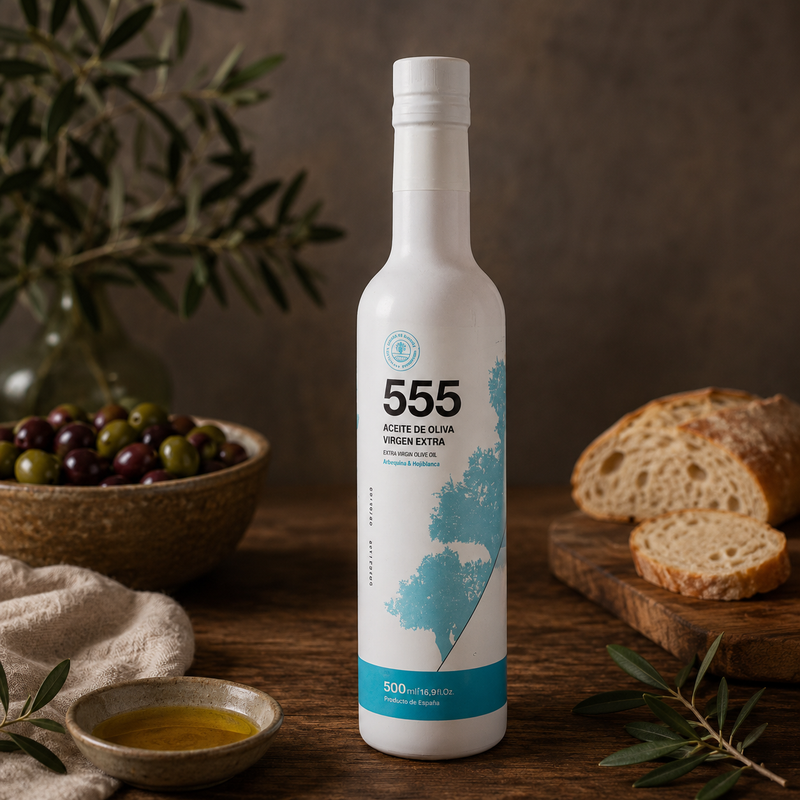
Iberian autumn begins in the olive groves. Between October and December, the first olives are pressed before full ripeness — this is what's called new oil, or aceite nuevo. It is green, slightly cloudy, with frank bitterness and a peppery catch in the throat that indicates high polyphenol content. This window is short. By January, the same olives would have yielded a softer, less vibrant oil, technically correct but different. If you want new oil, you need to order it in November or December.
October and November is also saffron harvest time. In Consuegra, in Toledo province, crocus flowers bloom for only two or three weeks. The stigmas are picked by hand, before dawn, then dried over charcoal embers. Saffron called "de nueva cosecha" — new harvest — is more moist, more aromatic, more potent than that which has slept a year in a warehouse. The difference is felt in the broth.
November also brings the pimentón nuevo from La Vera. Peppers dried in the smoke of green oak are ground just after harvest. The powder is then redder, more fragrant, with less acidity. This is the time to buy it for the year.
- October – December: new oil, first table olive harvests, new harvest saffron
- November: pimentón nuevo from La Vera, freshly ground
- October – February: new olives preserved in light brine, less oxidized
The quality of olive oil depends as much on the timing of harvest as on the olive variety.International Olive Council, Madrid
Spring and summer in the Cantabrian Sea
The sea changes everything from April onwards. This is the start of Cantabrian anchovy season — boquerones caught between April and July off Santoña and Castro Urdiales. Boats leave at night, by lamparo. Fish caught are immediately sorted, salted, and left to mature for several months before being hand-filleted. An anchovy from season, from this spring fishing, is meaty, round, without stray bitterness. Seasonality here is not read at purchase but upstream: it is the catch date that determines the quality of the finished product you will open in autumn.
Sardines follow similar logic. From May to September, they swim near the surface, fat with plankton. This is the window for quality sardine cans, those put into tin with olive oil in the artisanal canneries of Galicia or Portugal. A sardine caught in March is lean, without interest. The same fish in June has different flesh.
Summer brings the bonito del norte, Atlantic albacore. From June to October, these white tuna swim up the Canaries Current and pass through the Bay of Biscay. The trolling lines of small Basque longliners catch them one by one — selective fishing that partly explains the price of the tin. Summer bonito, put in jar with olive oil, is different from tropical tuna from big brands: firmer, less stringy, with a clean taste of the sea.
- April – July: Cantabrian anchovies, catching and salting
- May – September: sardine season, spring-summer cans
- June – October: bonito del norte, trolling lines in the Bay of Biscay
New oil keeps better away from light and heat — a cupboard, not the counter near the stove. It loses its brightest aromas in four to six months. I order it in November and consume it by June. After that date, I keep the last few centilitres for cooking, and wait for the new harvest for raw dressings.
What to remember
Iberian products have real seasons, not marketing seasons. October new oil is worth the detour precisely because it's only available for a few weeks. New harvest saffron from a small producer in La Mancha is different from what you find in fine groceries year-round. Cans of bonito or anchovy carry the trace of the fishing season within them. Buying in season also means buying at the right price: anchovies packed in July arrive in stores in autumn, and stocks run out. Waiting often means ending up with last year's batch. For storage, a simple rule: oil cool and dark, cans in a place without temperature fluctuations, saffron in an airtight box away from light.
To follow arrivals as harvests come in, check our catalogue — seasonal products are flagged upon receipt. Switzerland delivery 2 to 4 days, free returns 14 days.