There is a contradiction in our kitchens. We choose with care a cured ham aged twenty-four months, a cold-pressed oil, a Valencia rice cultivated according to strict rules — and then we store it any way, between two tins and under the light of the cupboard. The product does not complain. It degrades, silently.
Cured meats, preserves, oils: the mistakes that cost dearly
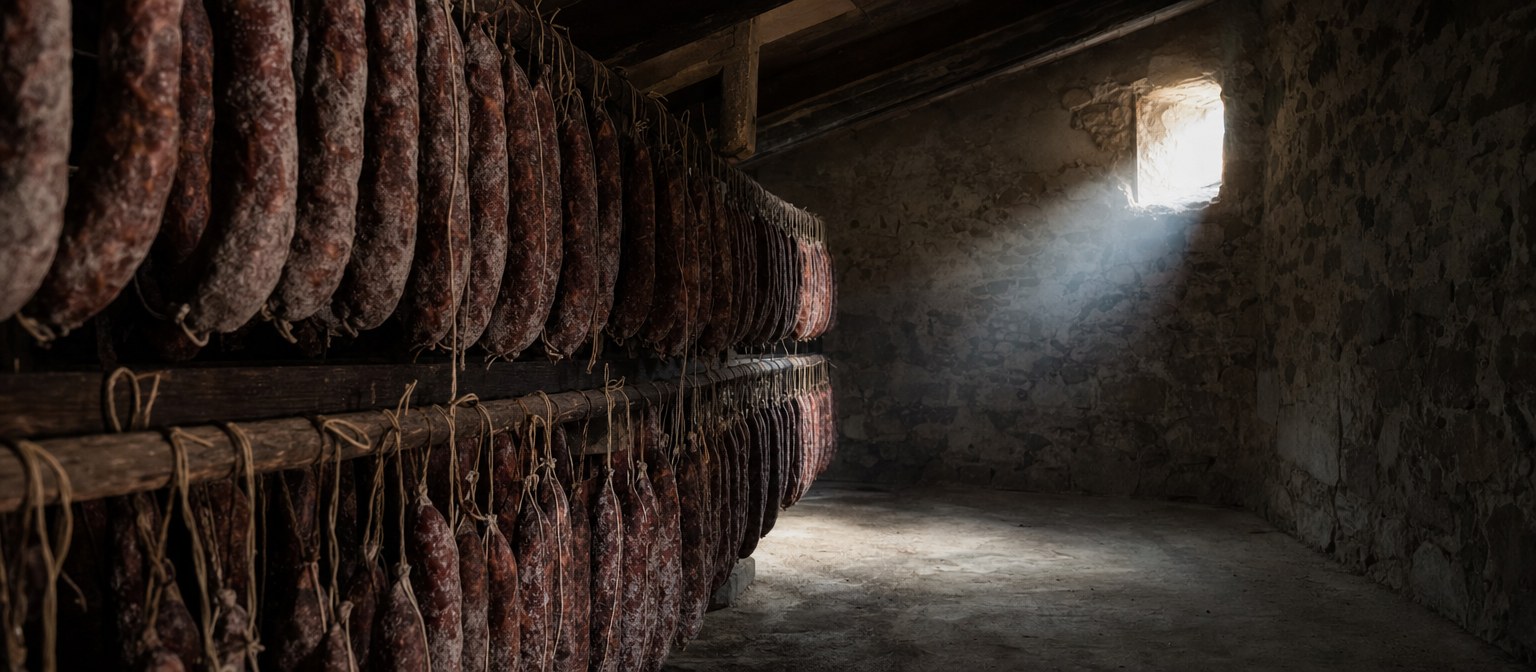
An opened ham is vulnerable. Slicing exposes the meat to air, heat, light. The most effective rule remains the oldest: cover the slice with a slightly damp cloth, place the ham in the lower part of the refrigerator, between 2 and 5 °C. The rind and surface fat, which many discard, serve as a natural barrier — reapply them to the slice after each use. For a ham already opened in vacuum-sealed slices, cling film in direct contact limits oxidation, but cold remains essential.
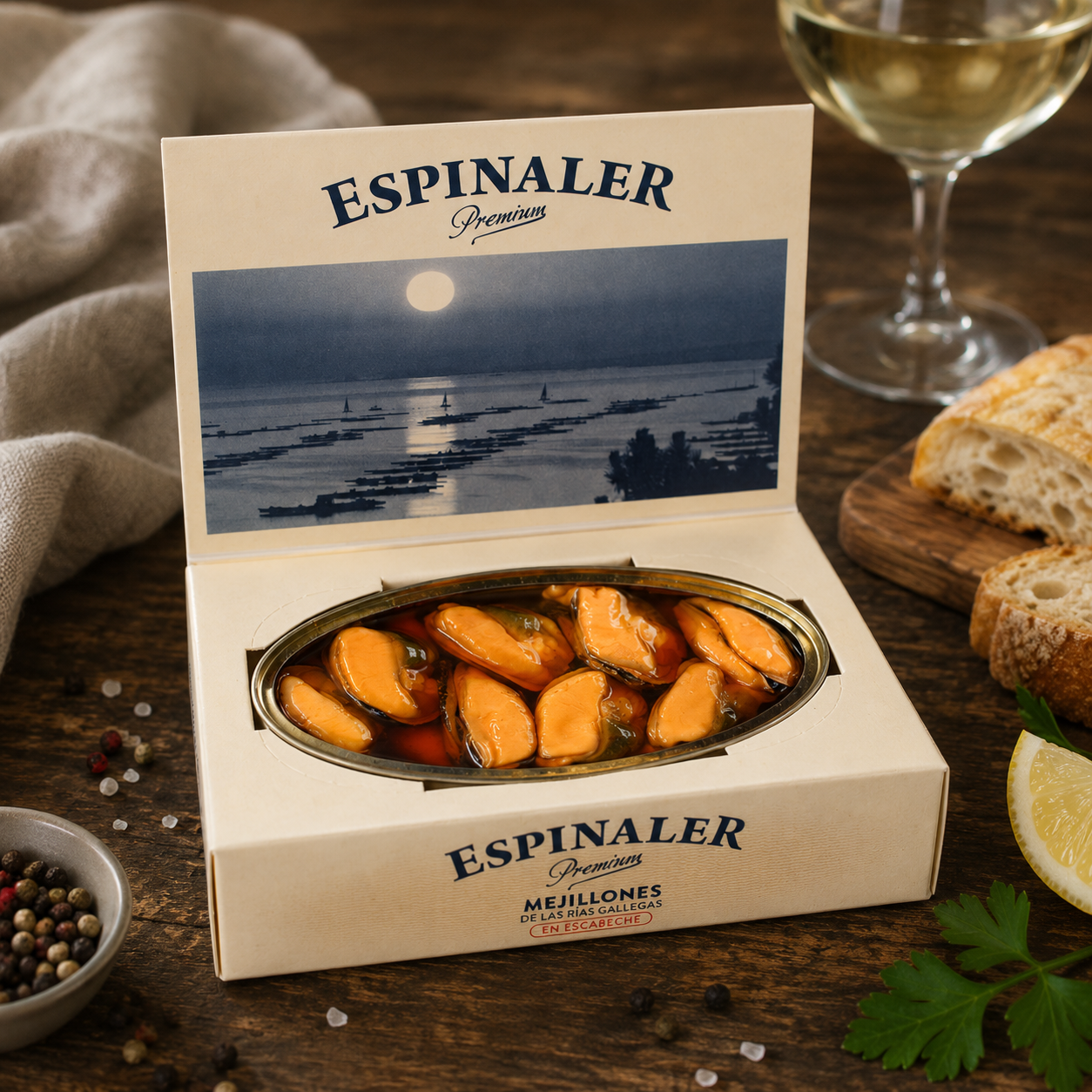
Preserves pose a different problem. Once opened, they do not keep in their metal tin: contact between the acidity of the contents and the metal alters the taste within hours. Transfer to a glass jar, cover with olive oil if the product requires it (anchovies, sardines), seal hermetically. Turning the closed tin upside down before opening — an old habit in Iberian canneries — allows the oil to distribute the fat evenly over the contents. This simple gesture improves texture upon opening.
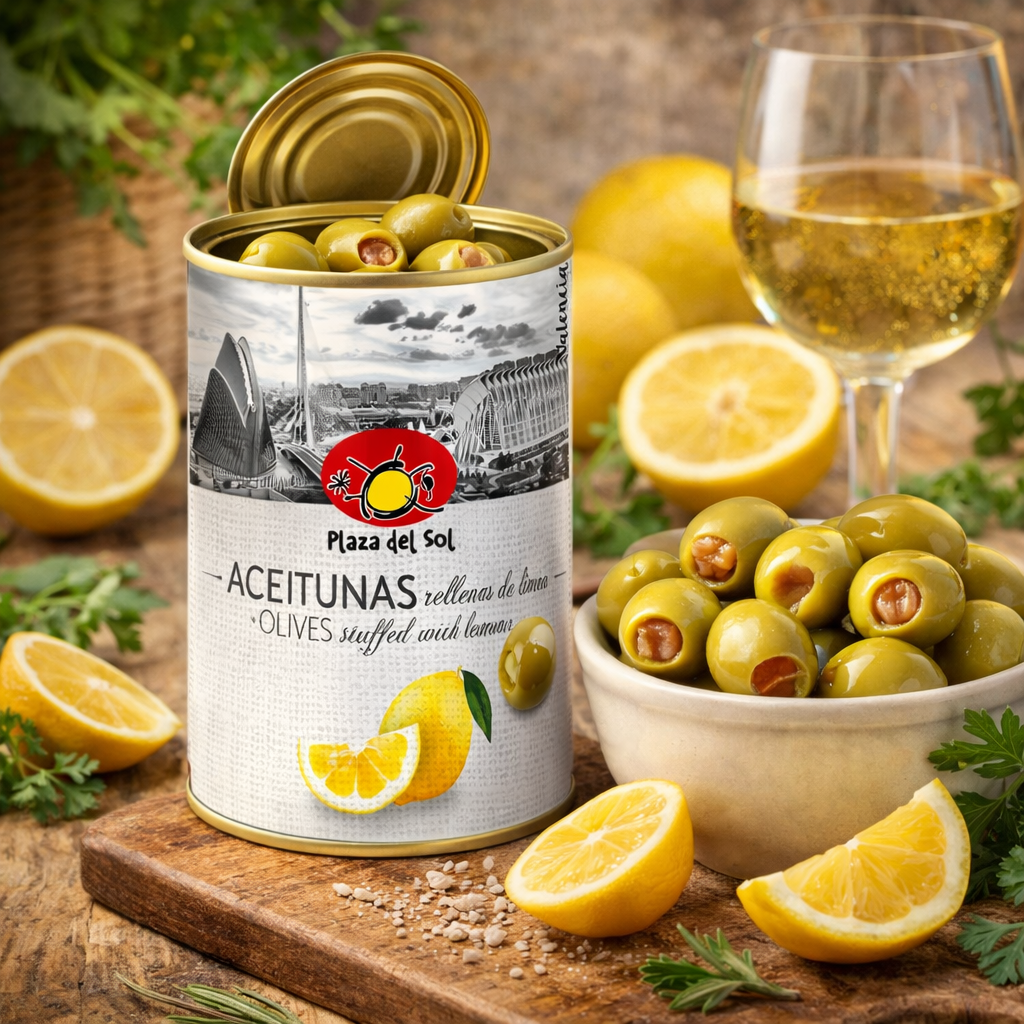
For olives, freshness comes through oil. After each use, check that the fruits are covered by the preservation liquid. A film of olive oil on top before closing reduces exposure to air. Refrigerate once opened, and consume within ten days.
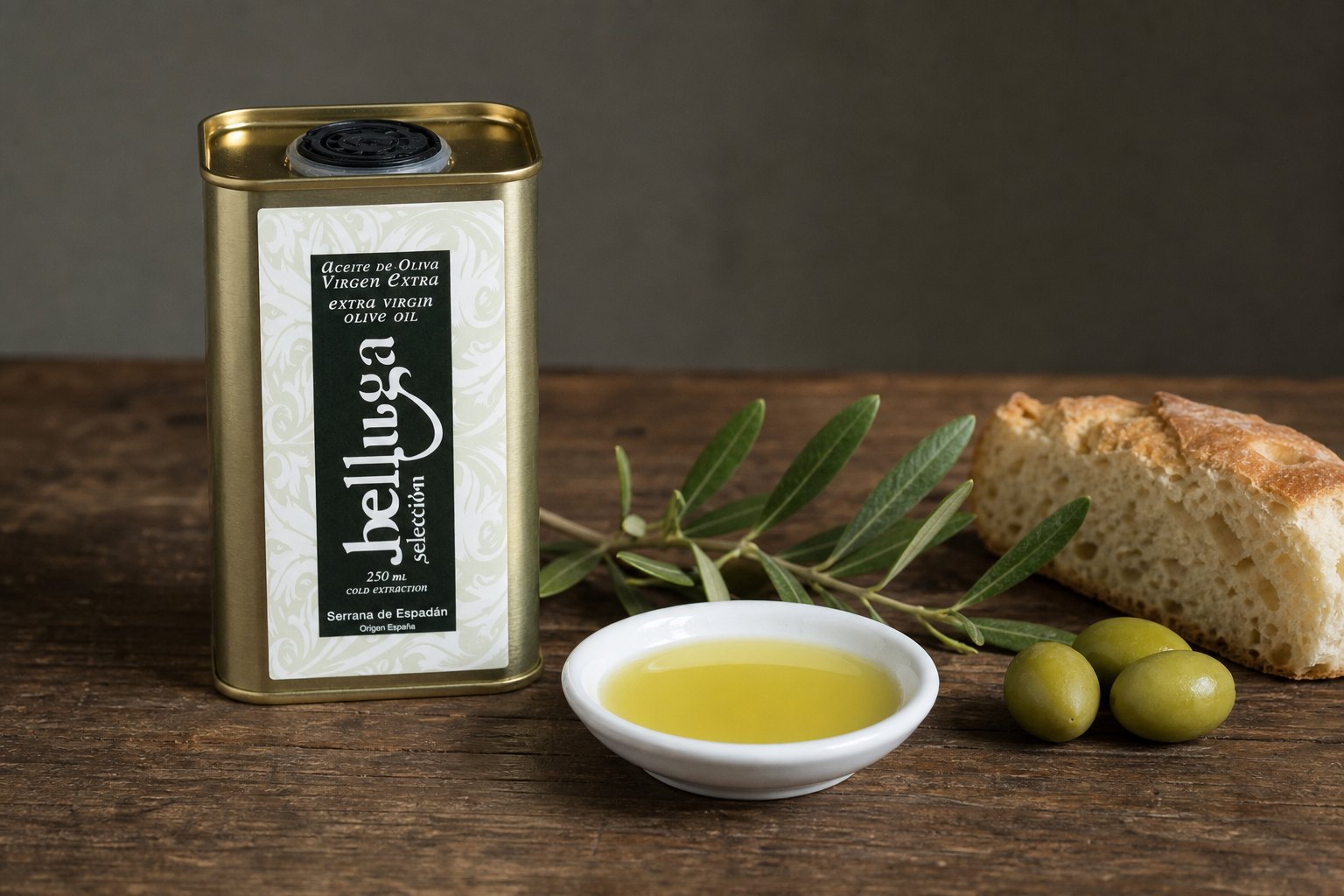
Olive oil is the most poorly stored product in home kitchens. Its two enemies are light and heat. A clear glass bottle placed near the stove loses its organoleptic qualities within weeks. The ideal container is tinted glass or opaque ceramic, in a cupboard away from any heat source. A good oil should not be refrigerated — cold clouds it without damaging it, but repeated thermal shock fatigues the polyphenol structure.
The shelf life of an opened extra virgin olive oil is 30 to 60 days under optimal conditions.International Olive Council (IOC)
The mistake and the right move
Cured meats, tins, olives, oil
Tap a card: what damages the product, and how to avoid it.
Spices, rice, cheeses: storing dry products and aged varieties
Iberian spices — pimentón de la Vera, saffron from La Mancha, dried oregano — lose their intensity when exposed to moisture and light. An airtight metal or opaque glass box, in a dry cupboard, suffices. Smoked pimentón is particularly sensitive: a single contact with steam from cooking can clump the powder and alter its smoky aroma within weeks. Never use a wet spoon to measure.
Paella rice — bomba or senia — absorbs ambient odors and moisture. Its optimal storage requires an airtight container, away from heat and humidity. Avoid open paper bags placed near strong spices: rice picks up surrounding aromas and redistributes them in the dish, not always wisely.
For Iberian cheeses — manchego, idiazábal, afuega'l pitu — parchment paper remains the best ally. It lets the cheese breathe without drying it out, unlike plastic wrap which creates condensation and encourages unwanted mold. Wrap carefully after each use, store in the salad drawer of the refrigerator where temperature is most stable. A manchego curado can keep this way for two to three weeks without losing texture.
- Opened ham: damp cloth on the slice, low fridge, surface fat as natural protection.
- Opened preserves: glass jar, covered with oil, consumed within 48 hours for anchovies.
- Olives: always immersed in their liquid, oil film before closing.
- Olive oil: tinted glass, away from heat, consumed within 30 to 60 days after opening.
- Spices: airtight box, never a wet spoon, away from cooking steam.
- Rice: closed container, dry, without strong aromatic neighbors.
- Aged cheeses: parchment paper, salad drawer, refreshed after each use.
When you slice a ham and fat remains on your knife, do not discard it. Spread it over the exposed slice before covering with the cloth. This gesture takes five seconds and slows oxidation better than any plastic film. Iberian fat is stable: it protects the meat beneath.
Dry goods and aged products
Spices, rice, cheeses
Three products that do not fear the same thing.
What to remember
Storage does not begin after opening — it begins at purchase, in the choice of cupboard, temperature, container. A well-kept product reveals what poor storage erases. Iberian cured meats and preserves are not fragile, but they are precise: they respond to their environment. Low cold, darkness, airtight seal against air and moisture are the four conditions that recur in each of these rules. And the last thing to remember: oils and spices age, even when closed. Buy in reasonable quantity, use regularly, renew often.
You will find preserves, oils, spices, rice and cured sausages in our complete catalogue. Delivery to Switzerland in 3 to 7 working days, free returns within 14 days.
Quick quiz
Does your cupboard pass the test?
Five everyday situations, the answers are in the article.