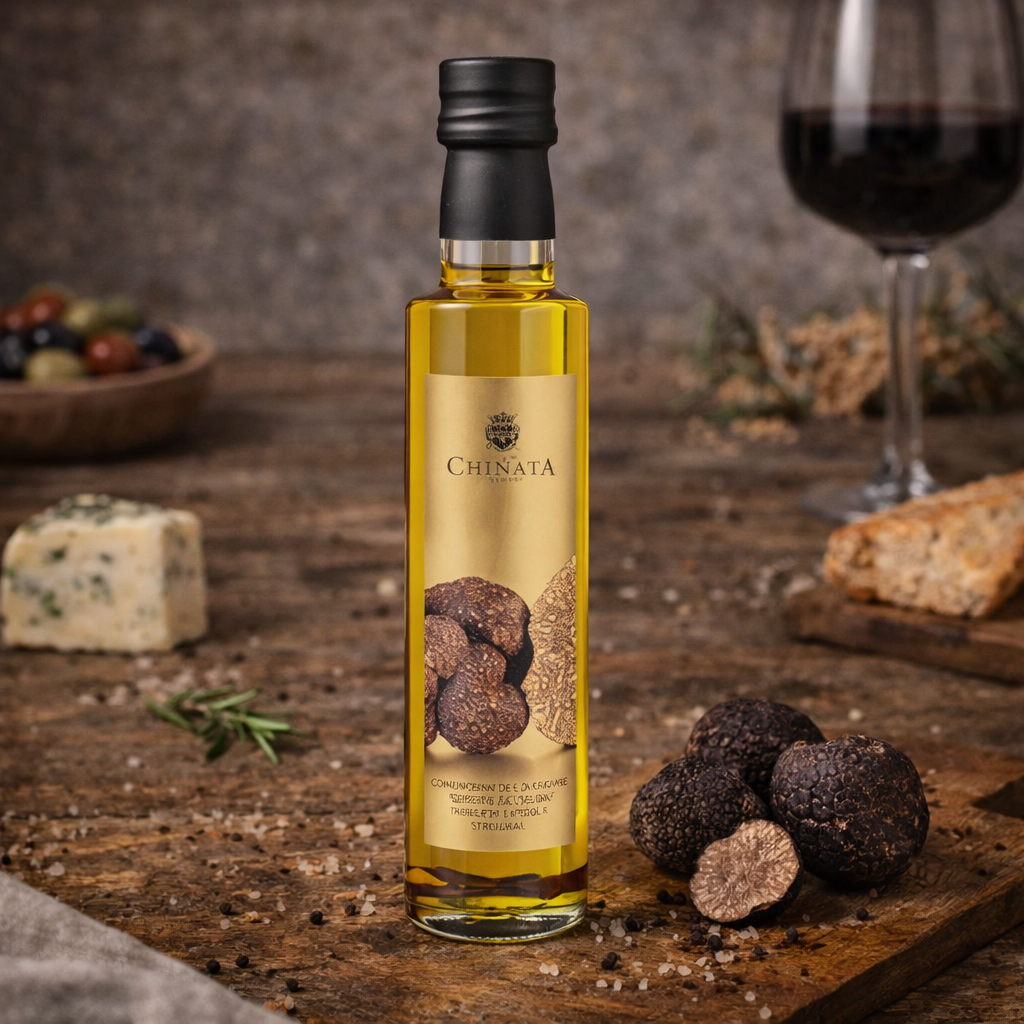
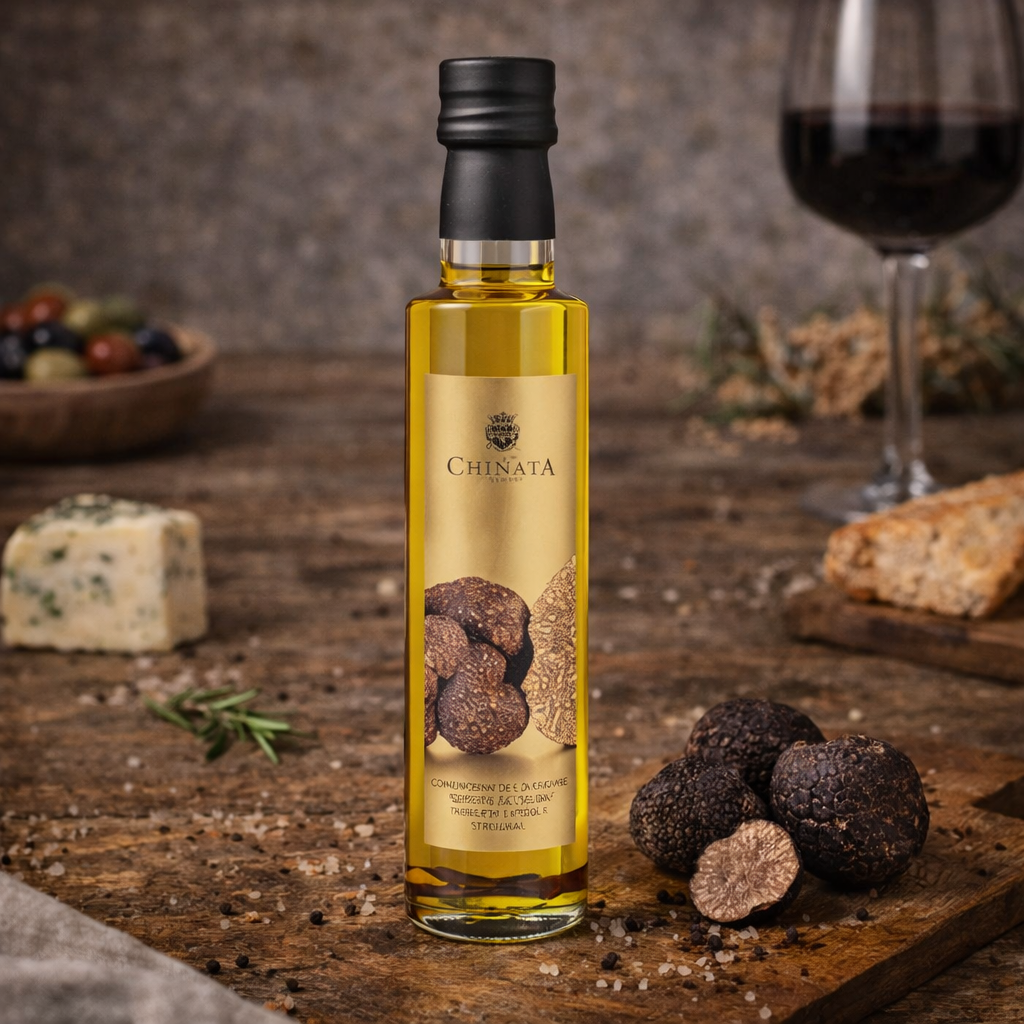
La Chinata Black Truffle Oil: When Spain Elevates Black Gold in the Kitchen
There are ingredients that transform an ordinary dish into something memorable. La Chinata black truffle oil is one of them: just a few drops are enough to completely change the nature of a dish, to give it a depth you weren't looking for but will be delighted to discover. Here's why this bottle deserves a permanent place in your kitchen.
La Chinata, a family business rooted in the tradition of Extremadura
Founded in 1932 in Plasencia (Cáceres), Extremadura, La Chinata is one of those Spanish family businesses that chose consistency over flair. Over four generations and more than ninety years, the company has refined its expertise in selecting and processing high-quality olive oils, a discipline that demands as much patience as it does skill. The north of the province of Cáceres, in Extremadura, is a region where the olive tree finds ideal conditions: poor soils, intense sunshine, and marked temperature variations between day and night.
This geographical context is not incidental. It is precisely because La Chinata works with high-quality olive oils that its flavored products deliver on their promises. Black truffle oil is not mere commercial whimsy: it rests on a carefully crafted oleic base, to which is added the characteristic aroma of black truffle. The result is a balanced seasoning, neither too powerful nor negligible, that respects the dishes it accompanies while enriching them.
This artisanal philosophy—take good raw materials and don't damage them—is precisely what demanding food lovers seek, particularly in Switzerland, where the relationship with food quality is especially developed.
Organoleptic profile: what a few drops truly reveal
Opening the bottle is already an experience in itself. The aroma released is immediately recognizable to anyone who has ever approached a fresh black truffle: that earthy note, slightly musky, with a hint of damp undergrowth and an almost animalistic complexity. It's not a sweet or comforting smell—it's a characteristic smell that announces its presence.
On the palate, the oil itself brings the roundness and slight vegetable bitterness inherent to a good olive oil, while the black truffle aroma unfolds through retronasal olfaction. The texture is fluid, silky, without heaviness. What distinguishes quality truffle oil from a mediocre product is precisely this ability not to saturate the palate: the best ones allow the aroma to persist without becoming overwhelming.
La Chinata black truffle oil falls into this category. It is designed to be used as a finishing touch, never in cooking—heat would destroy the volatile aromatic compounds that make it worthwhile. A few drops on a hot risotto just before serving, a drizzle over scrambled eggs or on a slice of garlic-rubbed toast: these are its natural expressions.
Tasting
What three drops tell you
Tap a card: nose, palate, texture and the golden rule.
Pairings and uses: beyond the classics
Black truffle has a reputation for luxury that can be intimidating. Wrongly so. Black truffle oil is actually one of the most versatile seasonings there is, provided you respect two simple rules: use it as a finishing touch and don't drown it under other overly powerful aromas.
The classics that always work. Fresh pasta with butter, mushroom risotto, homemade mashed potatoes, scrambled eggs: these simple preparations have in common that they are neutral or mild, which leaves all the room for truffle to express itself. A simple purée made with quality butter and a few drops of truffle oil becomes something infinitely more interesting.
The less obvious pairings. Truffle oil pairs remarkably well with legumes. A red lentil velouté, a chickpea soup, a white bean purée: truffle brings complexity where you don't expect it. In Spain, legume cuisine is a deeply rooted tradition, and Castilian cooks don't hesitate to use flavored oils to elevate these everyday dishes.
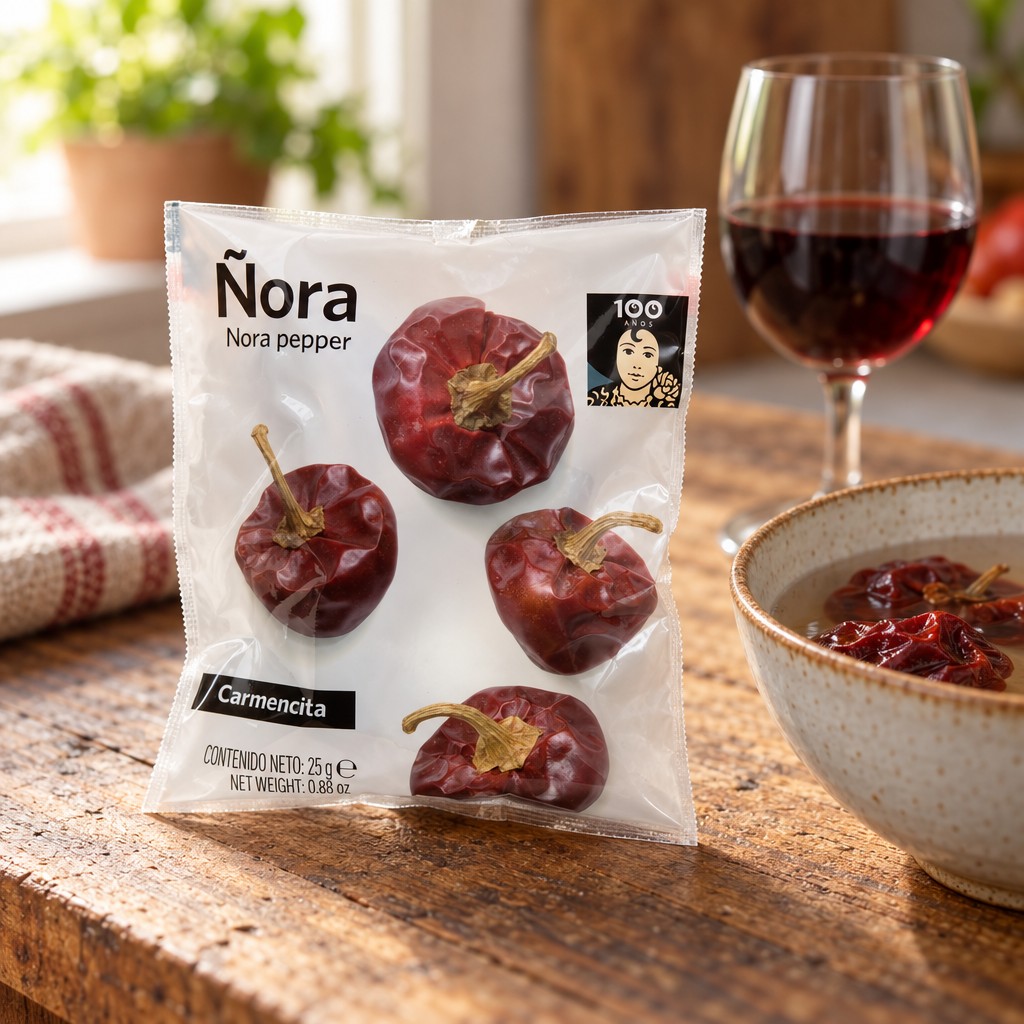
A quick recipe idea. Cook button mushrooms (or shiitakes) over high heat in a pan with just a little butter and a clove of garlic. Salt, pepper, and add if you wish a hint of mild chili with a few whole Ñora peppers rehydrated and sliced—their mild and fruity flavor pairs very well with truffle. Off the heat, pour a generous drizzle of black truffle oil. Serve on toast or as a garnish for white meat.
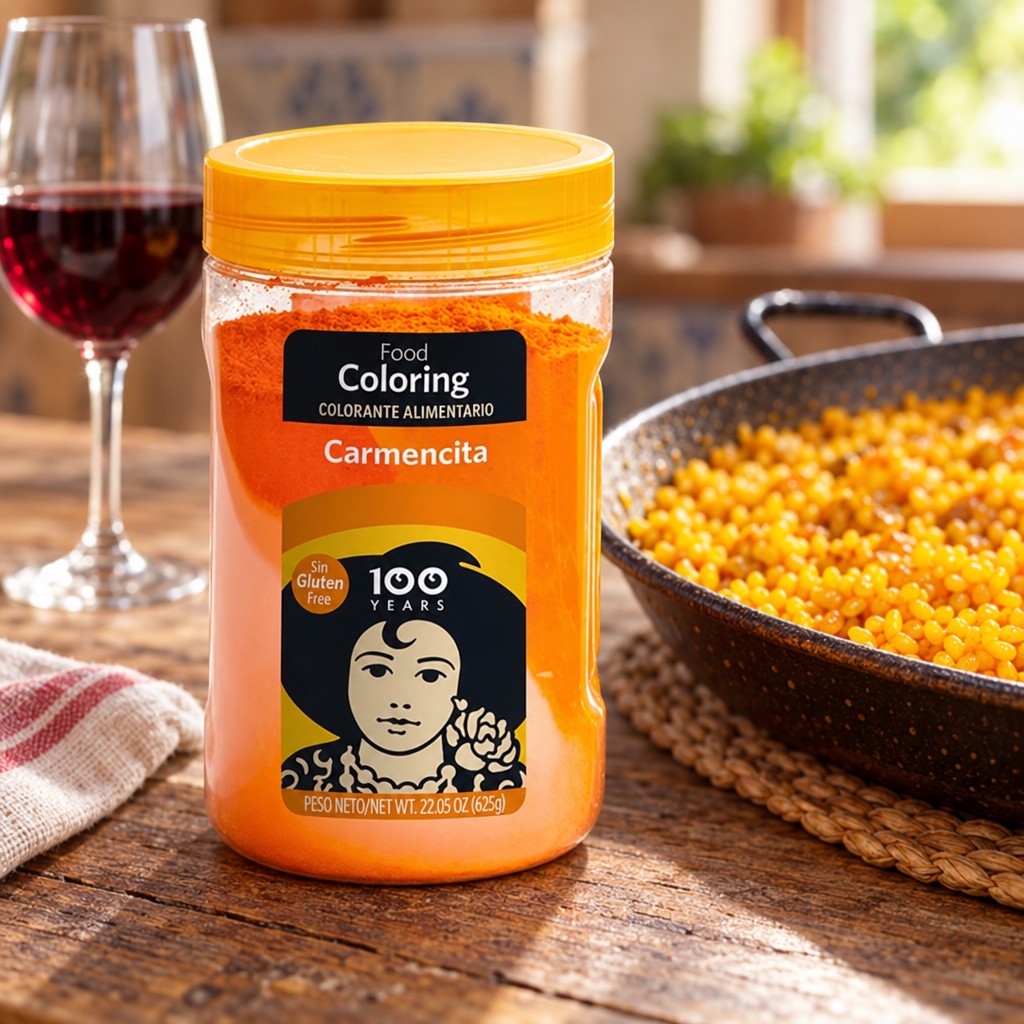
For a more elaborate rice dish, you can combine truffle oil with a food coloring for paella: the coloring brings the characteristic golden hue to the rice, and the truffle comes as a finishing touch to give an unexpected aromatic dimension. It's not a classic paella, but a modern interpretation that pleasantly surprises.
Pairings
Where to use truffle oil
Four playgrounds, from the classics to unexpected matches.
Black truffle in Spanish cuisine: an ancient and discreet relationship
Truffle is often thought of as an exclusively French or Italian product. This overlooks the fact that the Iberian Peninsula is one of Europe's great territories for black truffle—notably Tuber melanosporum, the most prized variety. The regions of Castile, Aragon, and Levante produce significant quantities of this underground fungus, whose harvest, carried out with trained dogs or pigs, follows rituals passed down through generations.
Historically, Spanish truffle was less commercially valued than its French or Italian counterparts, which meant it remained in local kitchens rather than being exported. This discretion has changed over the decades, and Spanish truffle is today recognized for its quality. The La Chinata company, by incorporating this aroma into its seasoning, extends in its own way this regional culinary tradition.
In Switzerland, where customers have access to many quality products but Spanish delis remain few, finding such a well-designed truffle seasoning at this price is a genuine opportunity. Origenes.shop ships from Villeneuve and allows access to these artisanal products without the usual constraints.
Compose an exceptional Spanish pantry with truffle oil
Black truffle oil doesn't live alone in a cupboard. It fits into a set of seasonings and spices that form the foundation of Spanish cuisine, and it is often when used together that results are most convincing.
Whole Ñora peppers in hotel jars are a perfect example of complementarity. These small sun-dried red peppers, mild and slightly smoky, form the basis of many Spanish preparations: romesco, sofrito, homemade chorizo. Their mild and concentrated flavor doesn't rival truffle but naturally complements it, bringing a vegetable warmth that anchors dishes in Iberian tradition.
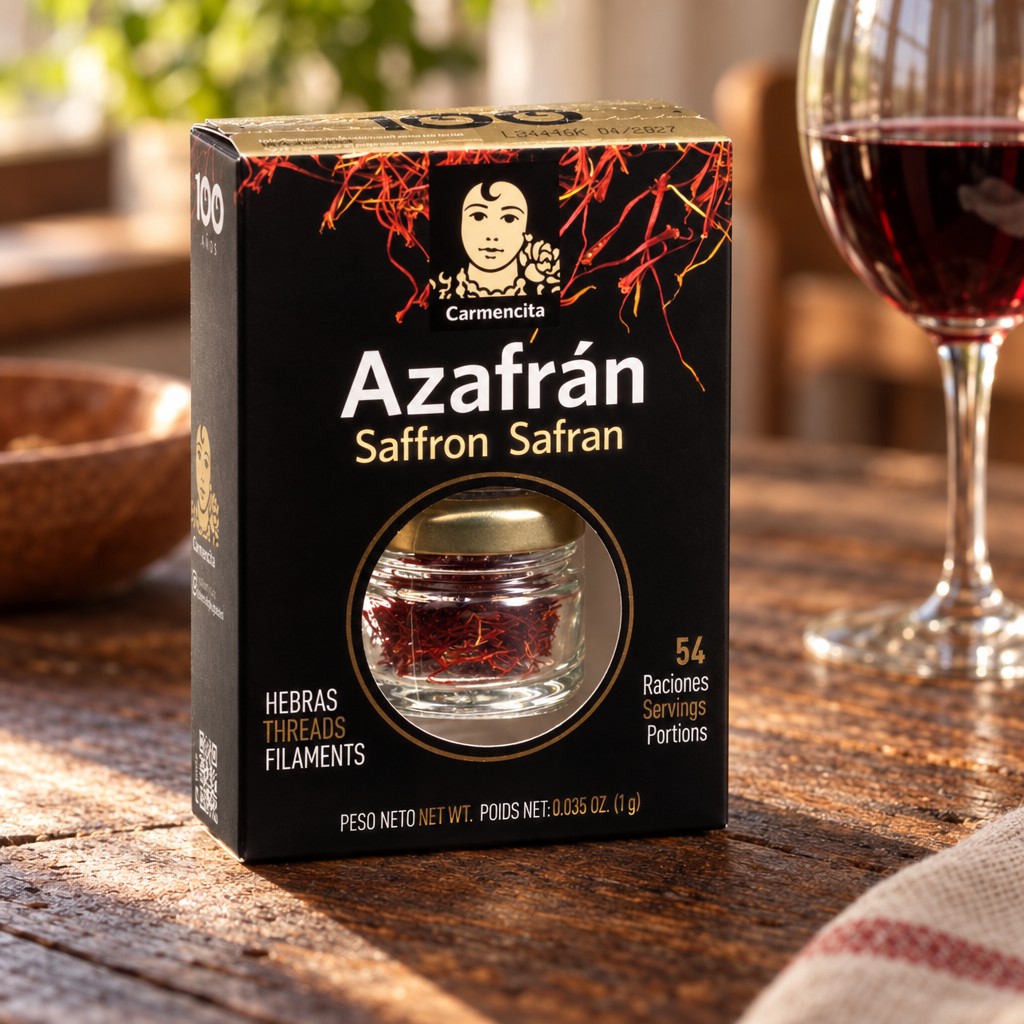
Extra saffron threads are another pillar. Nicknamed the red gold of Spanish cuisine, this carefully selected saffron colors and flavors with rare intensity. For a paella or festive rice, some cooks use both saffron for aroma and Carmencita food coloring in hotel bottle to ensure a uniform golden color without increasing the saffron dose—a practical trick for large gatherings.
These products brought together form a cohesive Spanish pantry, capable of covering both everyday dishes and exceptional preparations.
Conclusion: one bottle, a world of possibilities
La Chinata black truffle oil is a product that delivers on its promises in a simple and direct way. It smells like truffle, it has character, it improves the dishes you pour it on. It represents an accessible way to treat yourself to one of the most sought-after aromas in European gastronomy, brought by the expertise of a family business from Extremadura that has been working with olive oils for over ninety years.
Whether you use it for an everyday recipe or for a dinner where you want to impress, this oil will find its place. And once it's in your kitchen, you'll always find a new occasion to bring it out.
Discover our complete selection of Spanish spices and seasonings on origenes.shop, with delivery in Switzerland from Villeneuve.
Quick quiz
Did you catch the essentials?
Four questions, every answer is in the article.