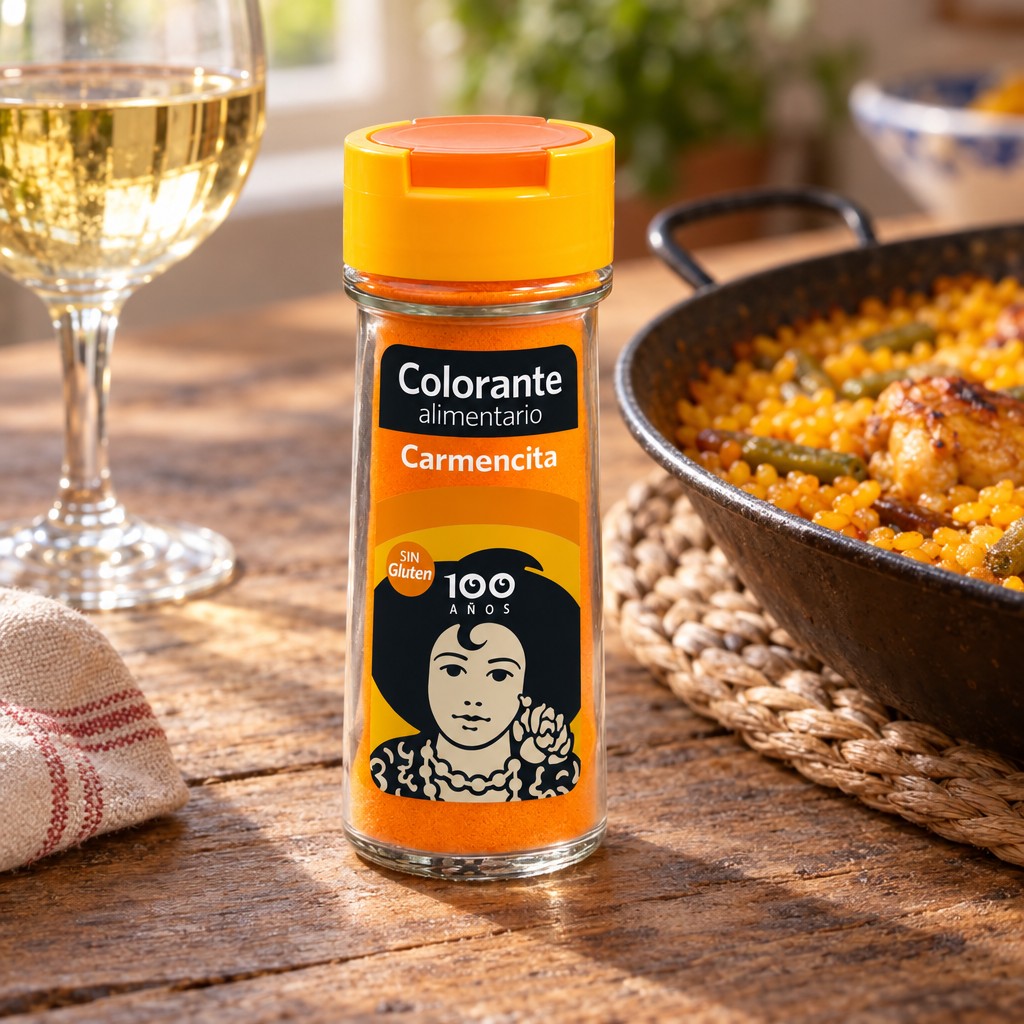
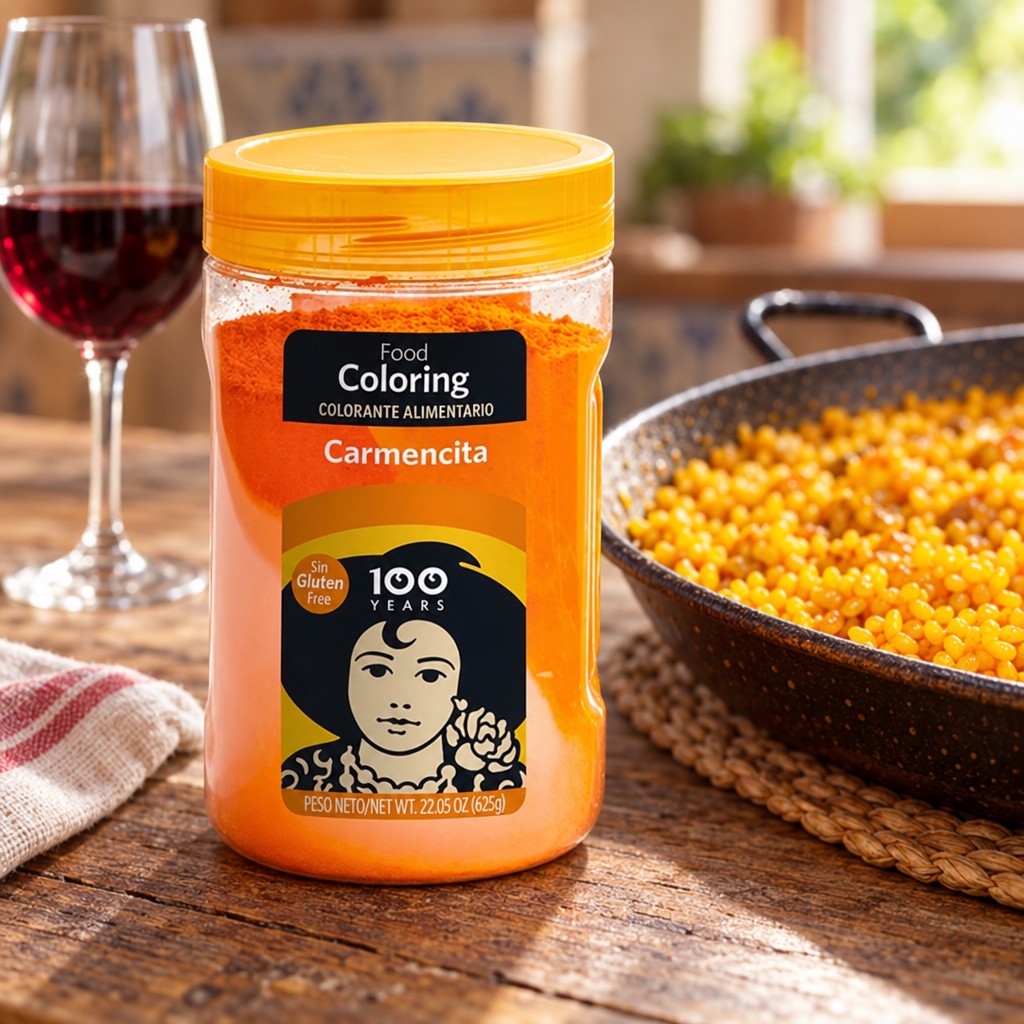
Food colouring – Glass jar 65 g | Carmencita
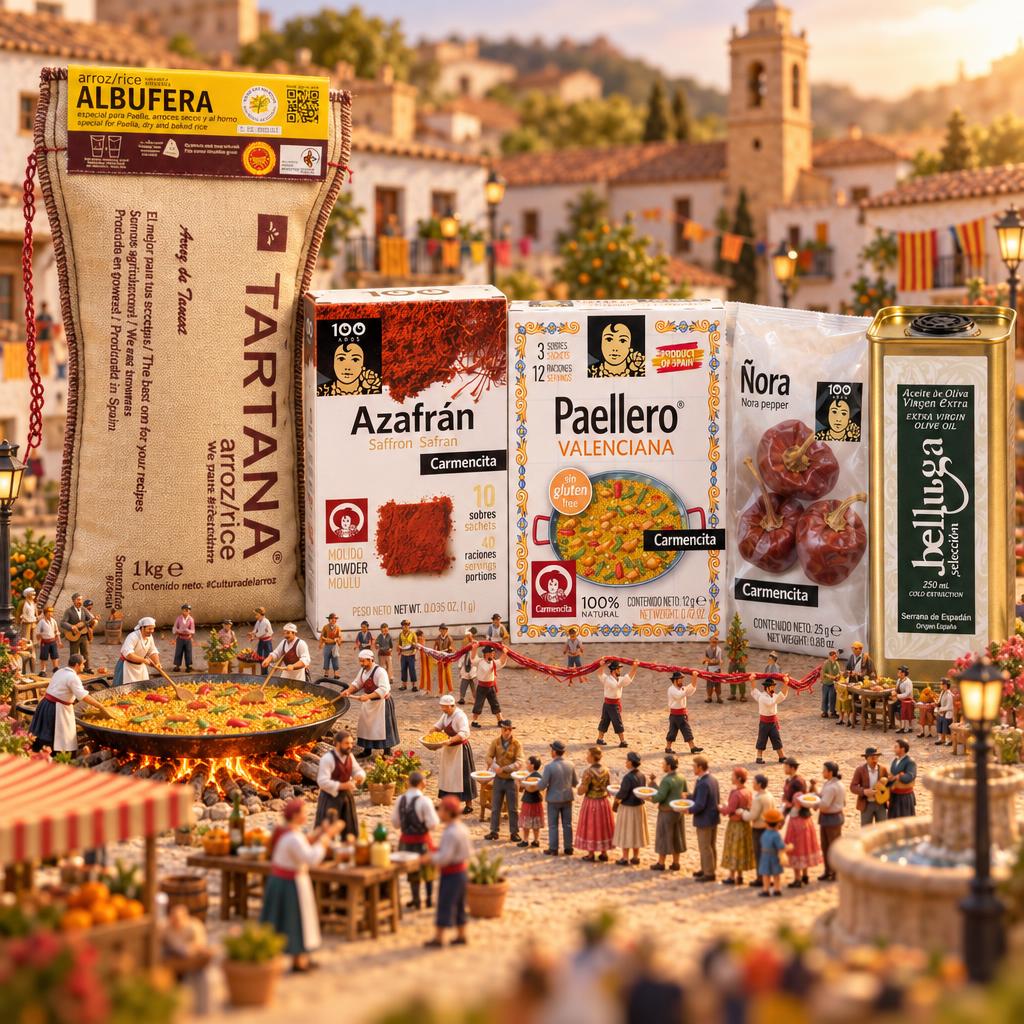
House : Carmencita — Novelda (Alicante) · since 1923
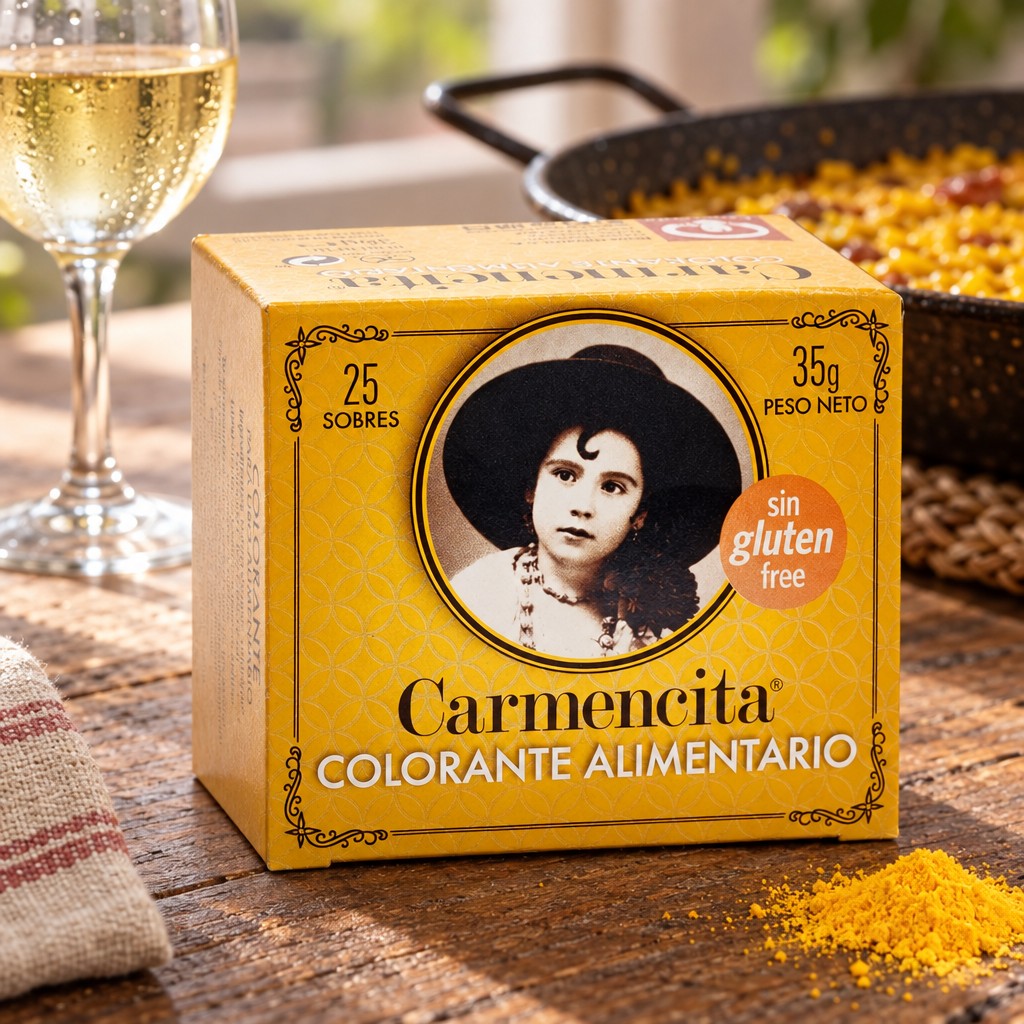
Carmencita food colouring gives paella and fideuà rice its golden colour, without adding flavour.
Origin
Carmencita is a Spanish house founded in 1923 in Novelda (Alicante) by Jesús Navarro Jover and Carmen Valero. It was the first Spanish company to pack spices in glass jars.
Details
- Format: refillable 65 g glass jar
- Ingredients: maize flour, colour: tartrazine E102 (14%), salt
- E102: may have an adverse effect on activity and attention in children.
- May contain traces of soya.
- Gluten free
Tips
- One teaspoon (1.4 g) is enough for a recipe serving 4.
- For rice and paella, and also for stews, soups and sauces.
- Keep in a cool, dry place.
Why we chose it: Carmencita, from Novelda (Alicante), was the first company in Spain to pack spices in glass; we chose this refillable 65 g jar for everyday cooking. It colours rice, paella and fideuà without changing their taste.
At a glance
- Who it's for
- For anyone who cooks rice dishes, paellas and fideuàs day to day and wants the golden colour without changing the taste of the dish.
- Ideal for
- Paella · Rice dishes · Everyday cooking
- On the palate
- adds no flavour
- May contain
- Soy
Carmencita
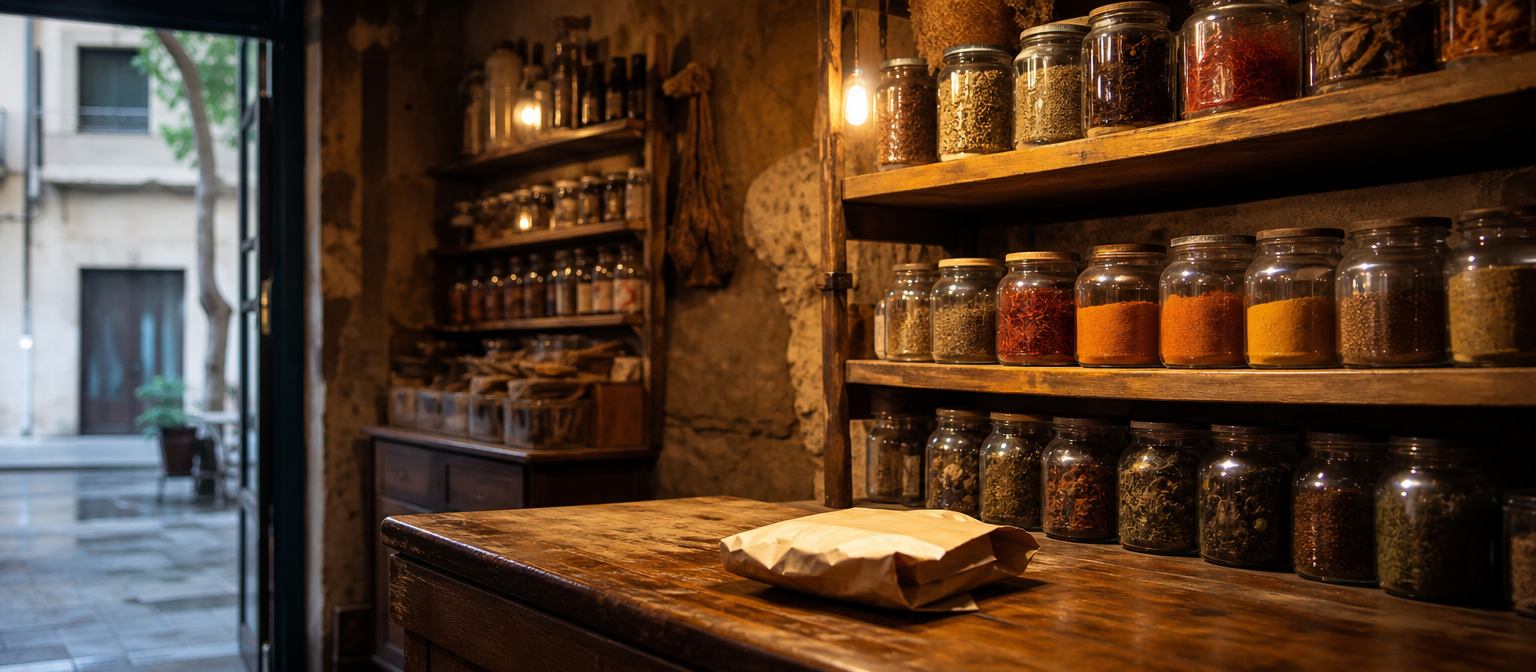
The saffron of Novelda, since 1923.
Carmencita was born in Novelda (Alicante) in 1923, founded by Jesús Navarro Jover and his wife Carmen Valero. In early-20th-century Novelda, spices were traded — above all saffron, which arrived from La Mancha to be exported to Asia and Africa.
Discover the house →Complete your table
Selections with a story
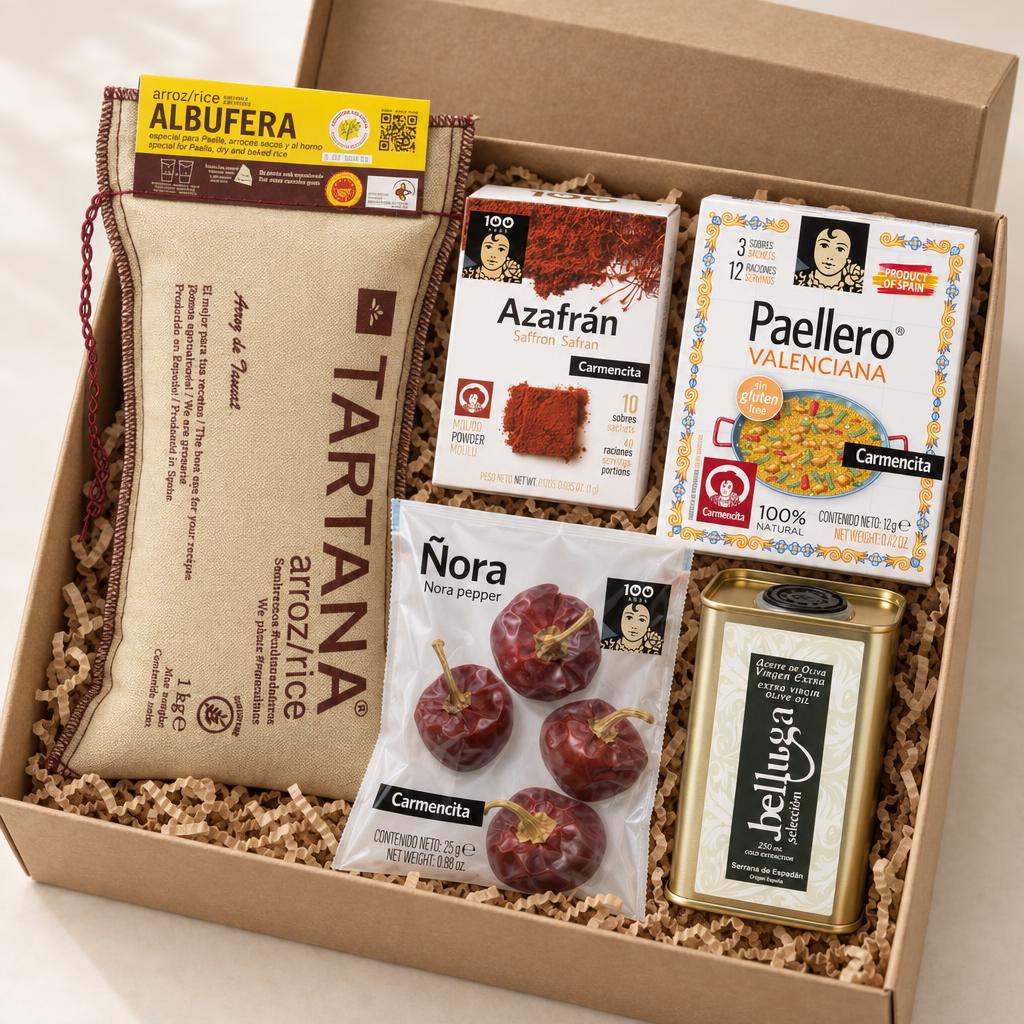
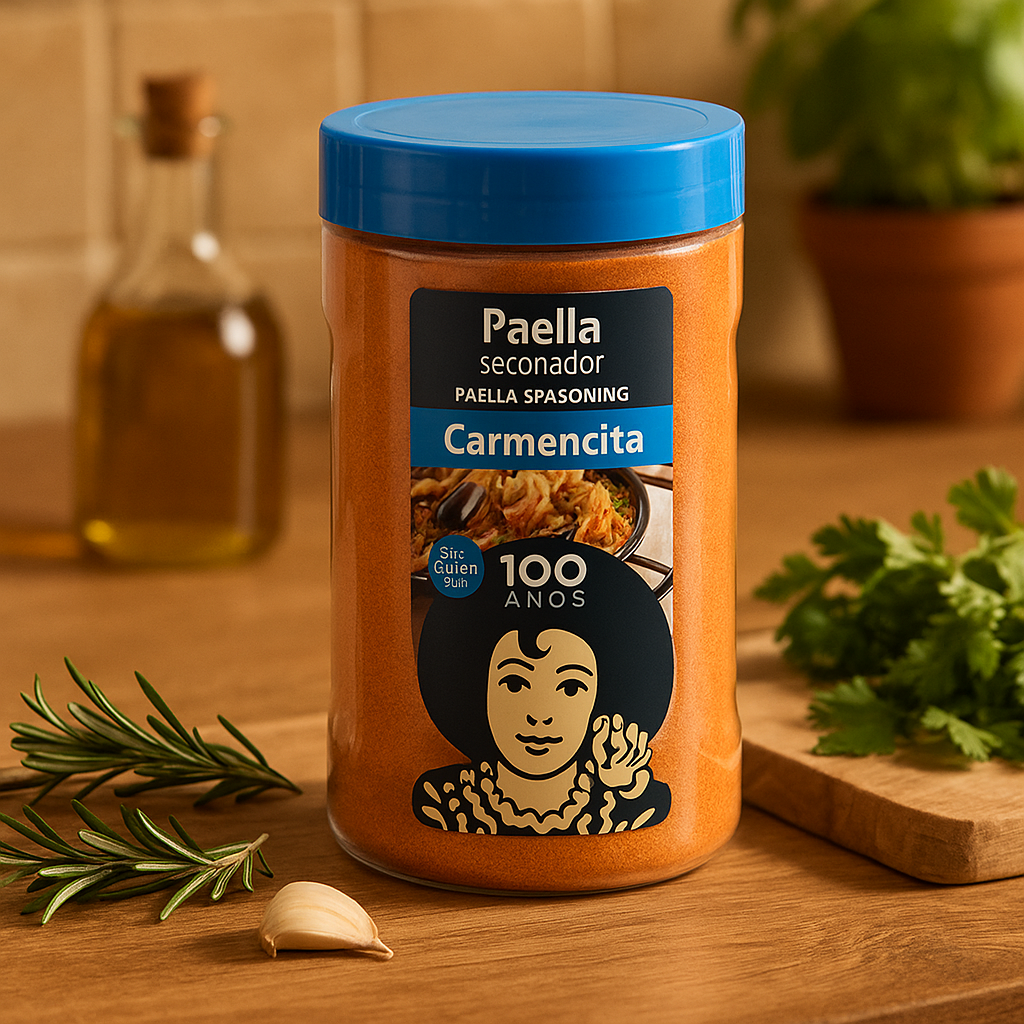
My father's paella
For anyone who wants to get a Valencian paella right at home, or give it to someone who loves to cook.
See the selection →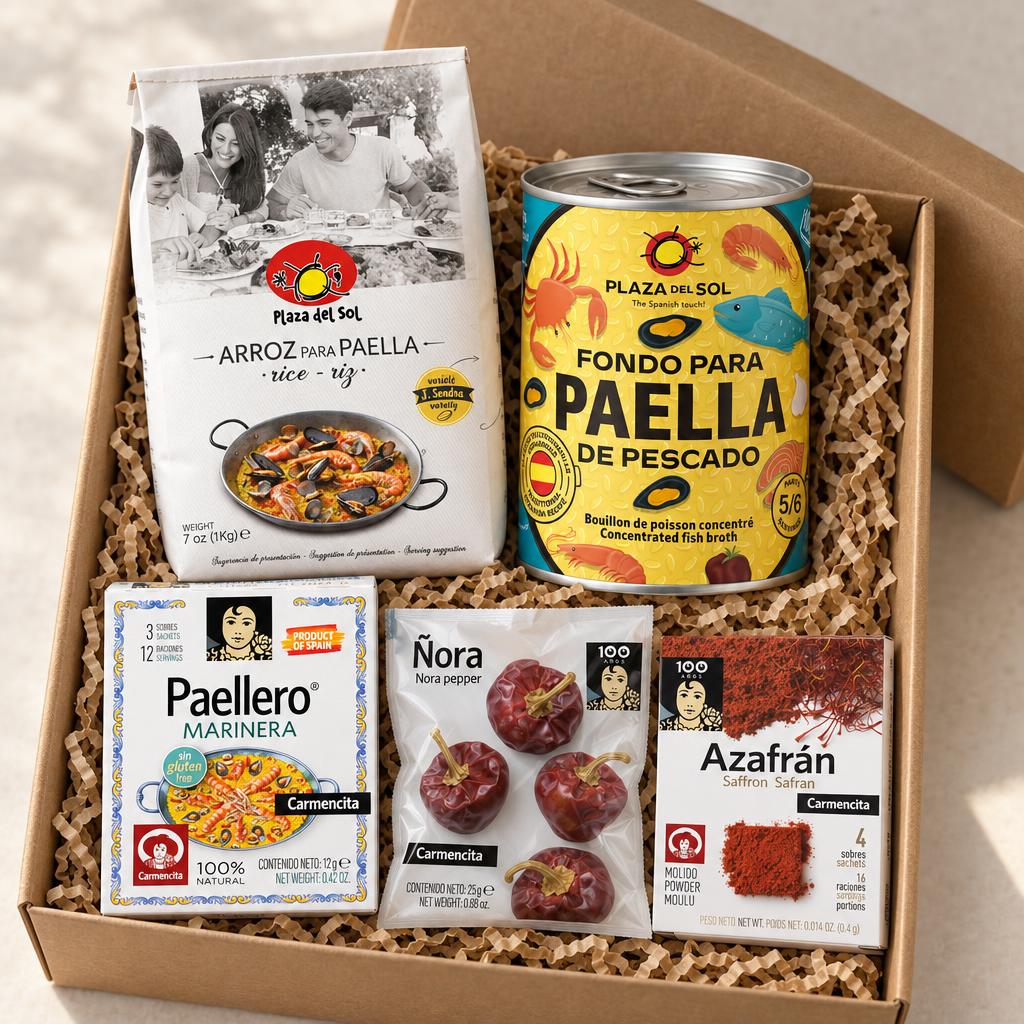
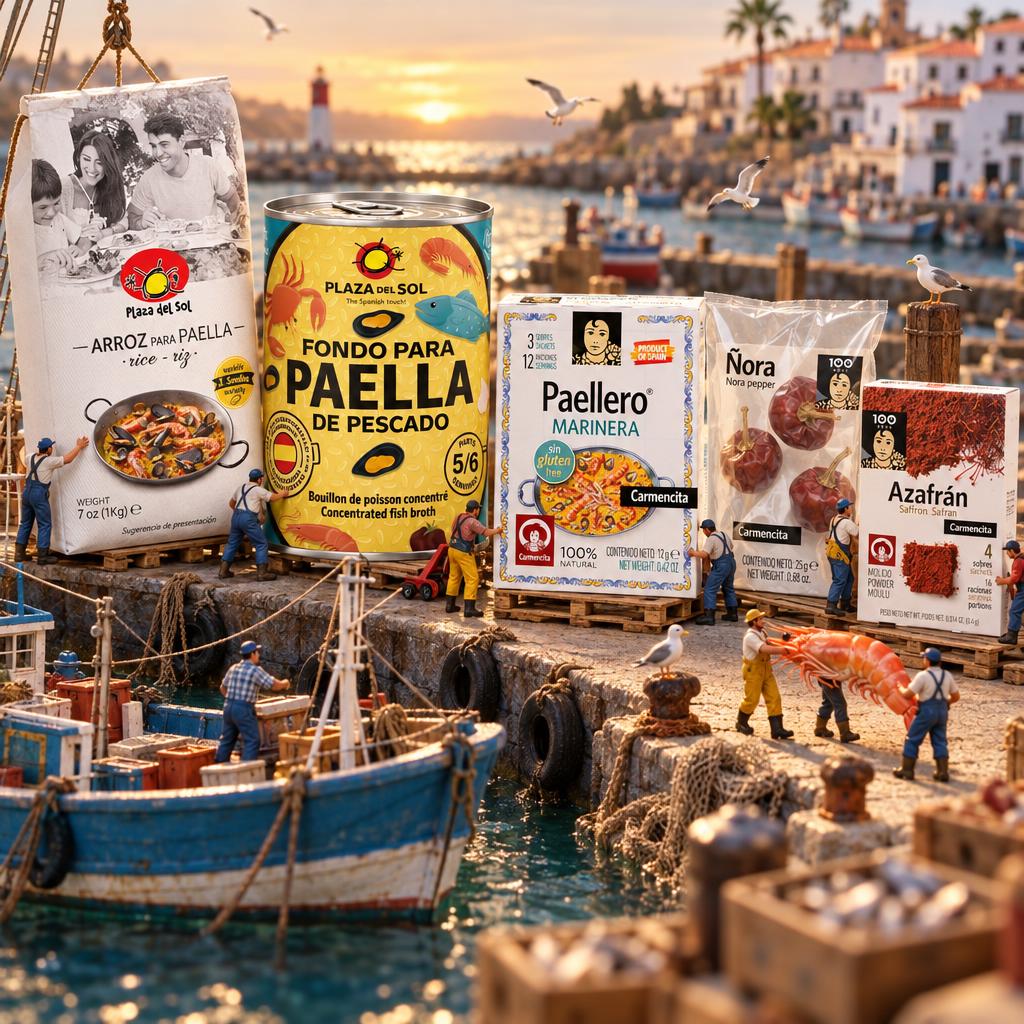
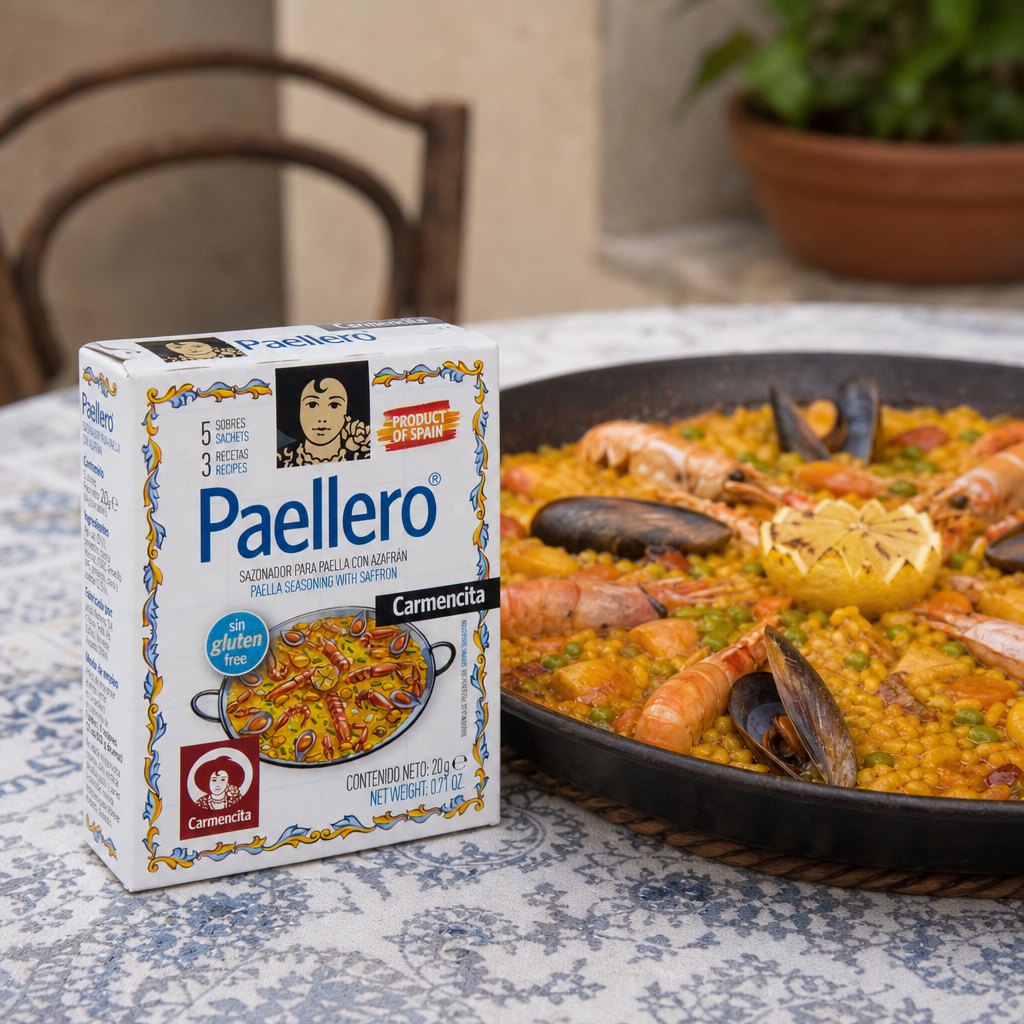
The seafood paella
For anyone who prefers seafood paella, or wants to try making it for the first time.
See the selection →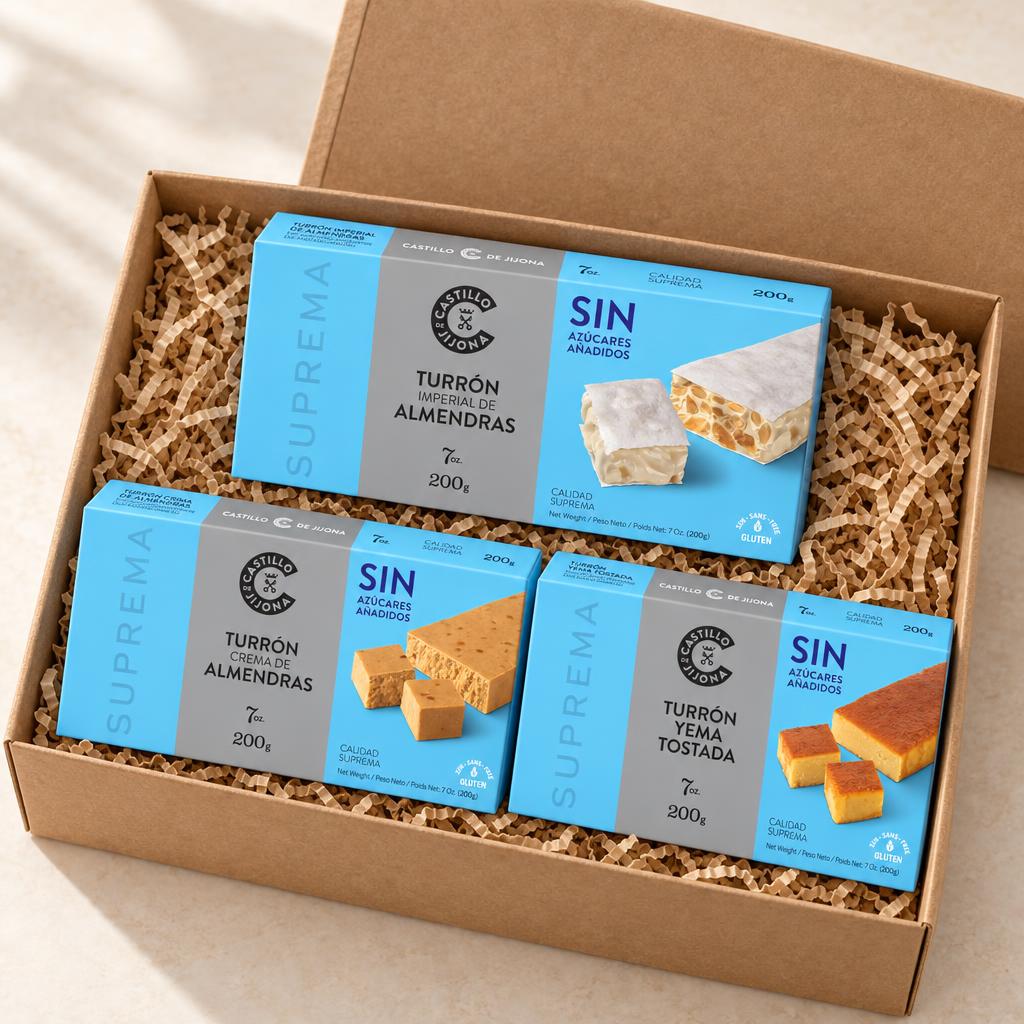
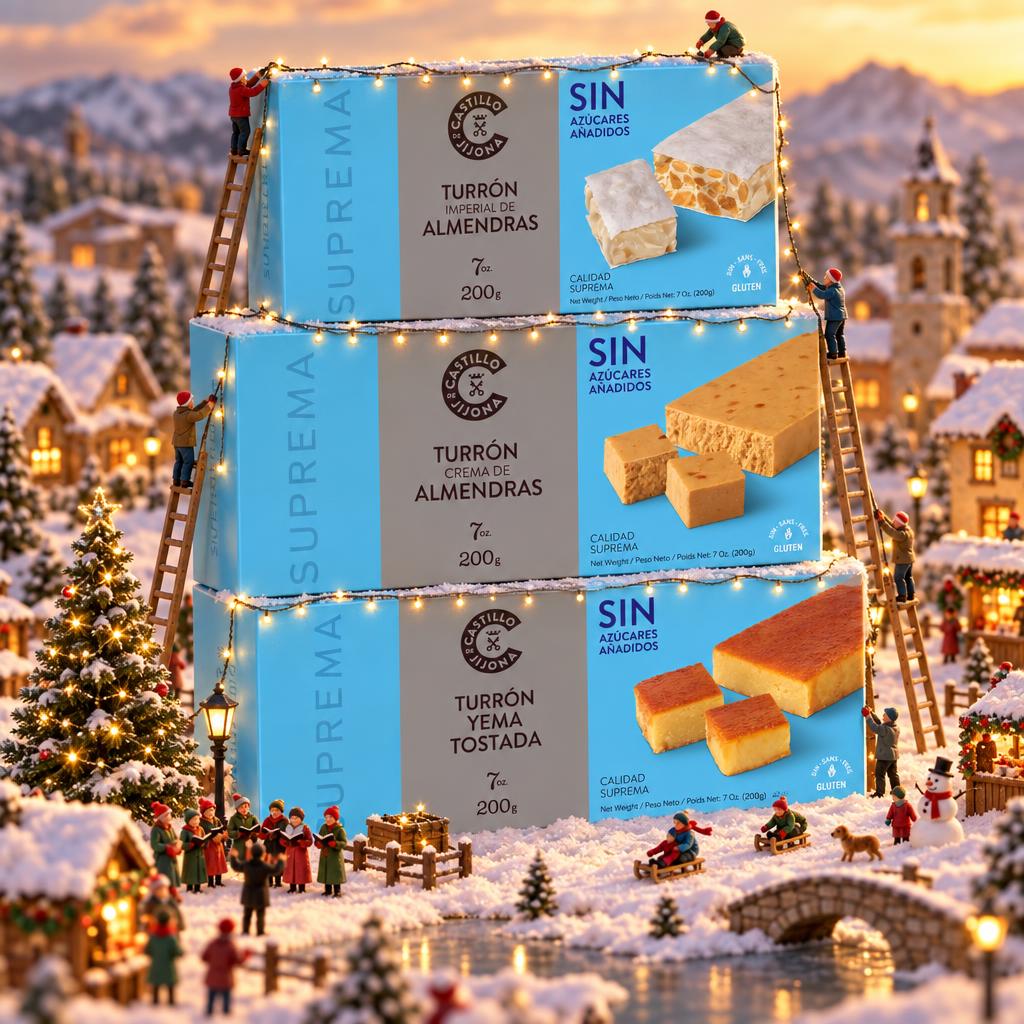
Christmas with no added sugar
So that whoever avoids added sugar shares the same dessert as the rest of the table, without being left out.
See the selection →