La Chinata Green Olive Cream: When Spanish Tradition Becomes Spreadable

In Spain, there exists a simple and delightful way to extend the pleasure of olives: transforming them into a creamy spread, ready to enhance a slice of toasted bread or enrich a recipe. The La Chinata green olive cream embodies this Mediterranean philosophy where each ingredient reveals its personality without artifice. Crafted from carefully selected green olives and extra virgin olive oil, this artisanal preparation expresses all the authenticity of a know-how passed down through generations.

A preparation that tells the story of Extremadura

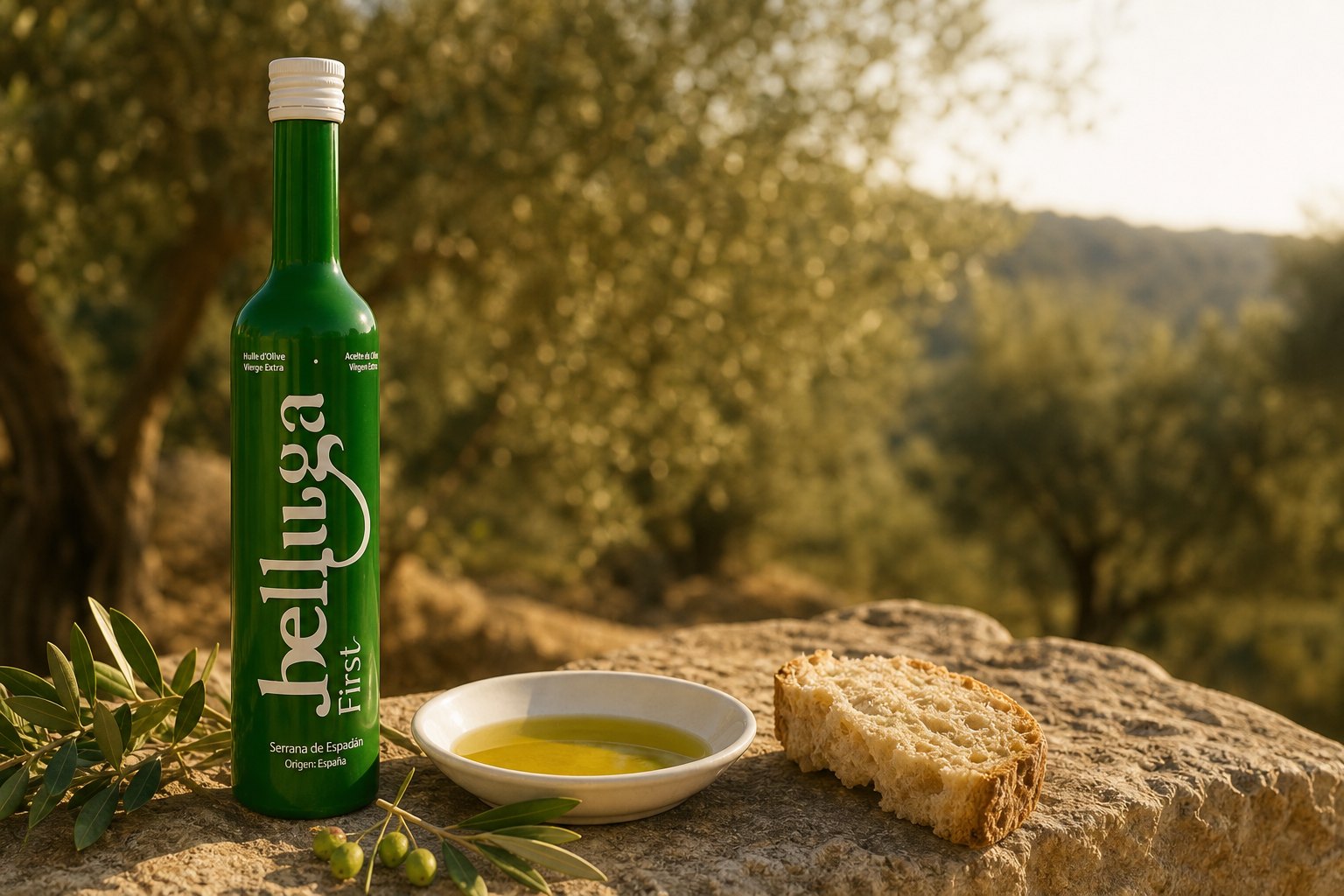
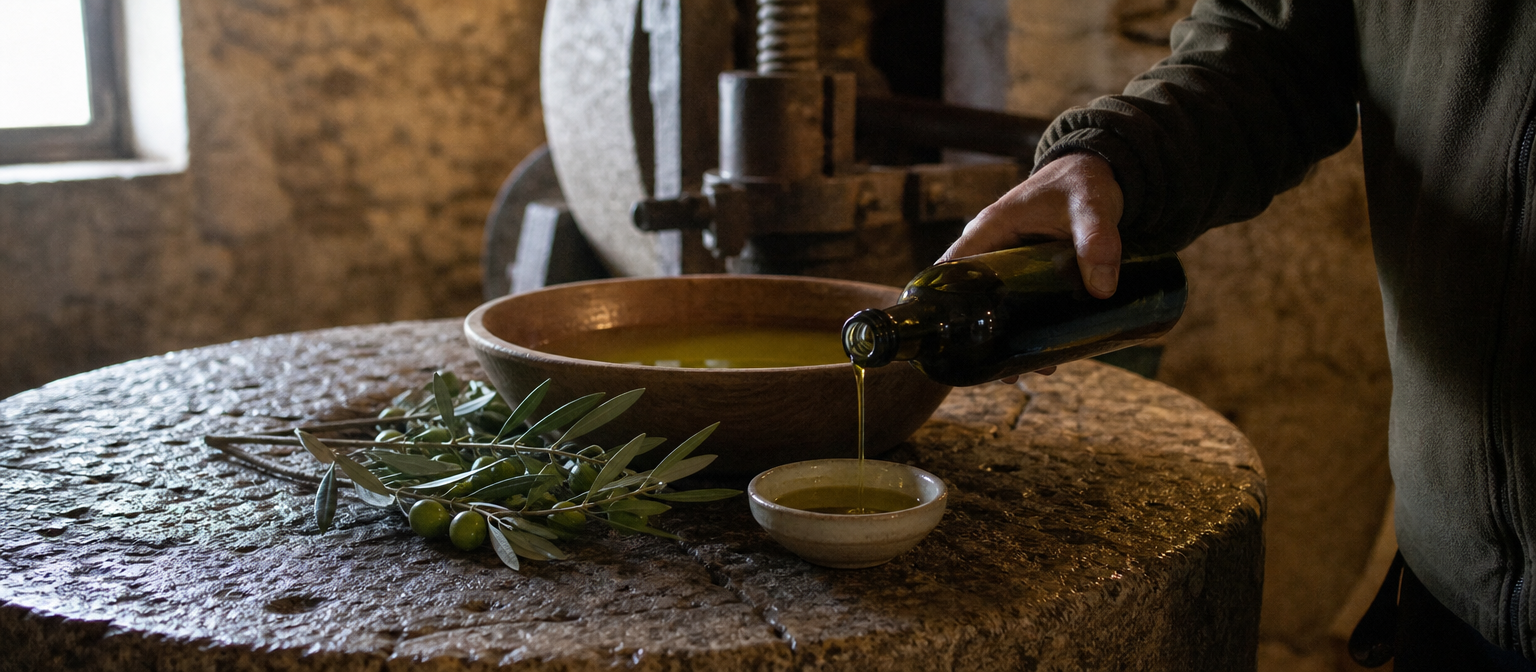
The La Chinata brand has its roots in Extremadura, a region in western Spain where the olive tree has shaped the landscape and local economy for centuries. This arid zone, beaten by the sun and swept by continental winds, produces olives with strong character. Unlike black olives harvested at full maturity, green olives are picked before reaching complete ripeness, which gives them distinctive firmness and aromatic liveliness.

Transforming these olives into cream represents a delicate process. It is not simply about grinding the fruit: the final texture must remain silky, almost melting, while preserving the intensity of the olive's flavor. The addition of extra virgin olive oil plays a dual role here: it binds the ingredients into a stable emulsion and enriches the aromatic profile of the preparation. The result? A cream where you can still perceive the fruity character of fresh olive, with that characteristic bitterness that balances the whole.

This artisanal approach particularly appeals to Swiss consumers, accustomed to seeking products where quality takes precedence over quantity. In a demanding Romand market, where authentic preparations and terroir stories are appreciated, green olive cream naturally finds its place on tables in Lausanne and Geneva.

An aromatic palette to explore daily

The La Chinata green olive cream reveals surprising complexity in the mouth for such a refined preparation. Upon opening the jar, a herbaceous fragrance escapes, reminiscent of crumpled olive leaf and freshly picked fruit. When spread, the texture proves creamy without being greasy, enveloping the palate with a velvety sensation where vegetable notes and subtle bitterness mingle.

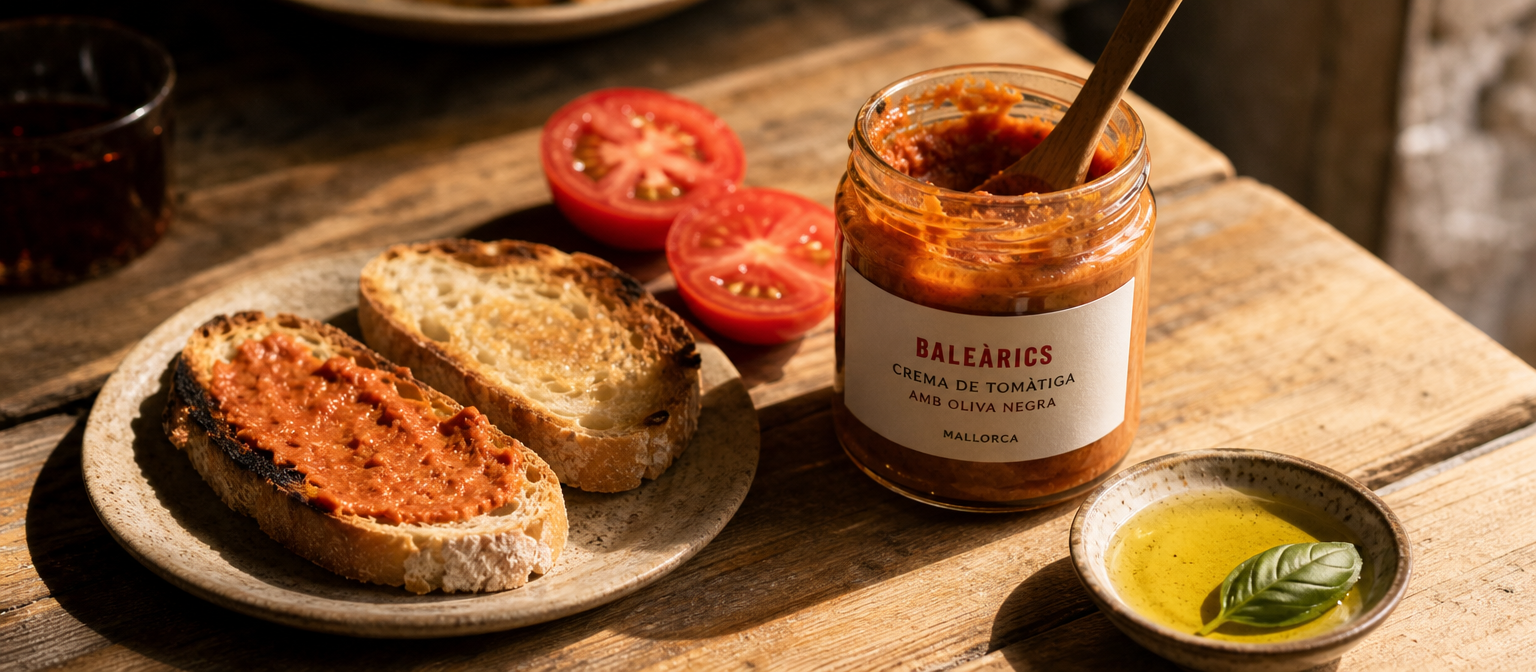
This flavor profile pairs particularly well with simple preparations. On a slice of rustic bread lightly toasted, the olive cream creates a striking contrast between the crispness of the crust and the creaminess of the spread. You can add some shavings of Spanish sheep cheese, whose fat and saltiness harmonize beautifully with the olive's bitterness. A drizzle of raw olive oil on top, and you have a spread that sums up the very essence of Mediterranean cuisine: quality ingredients, enhanced by their simplicity.

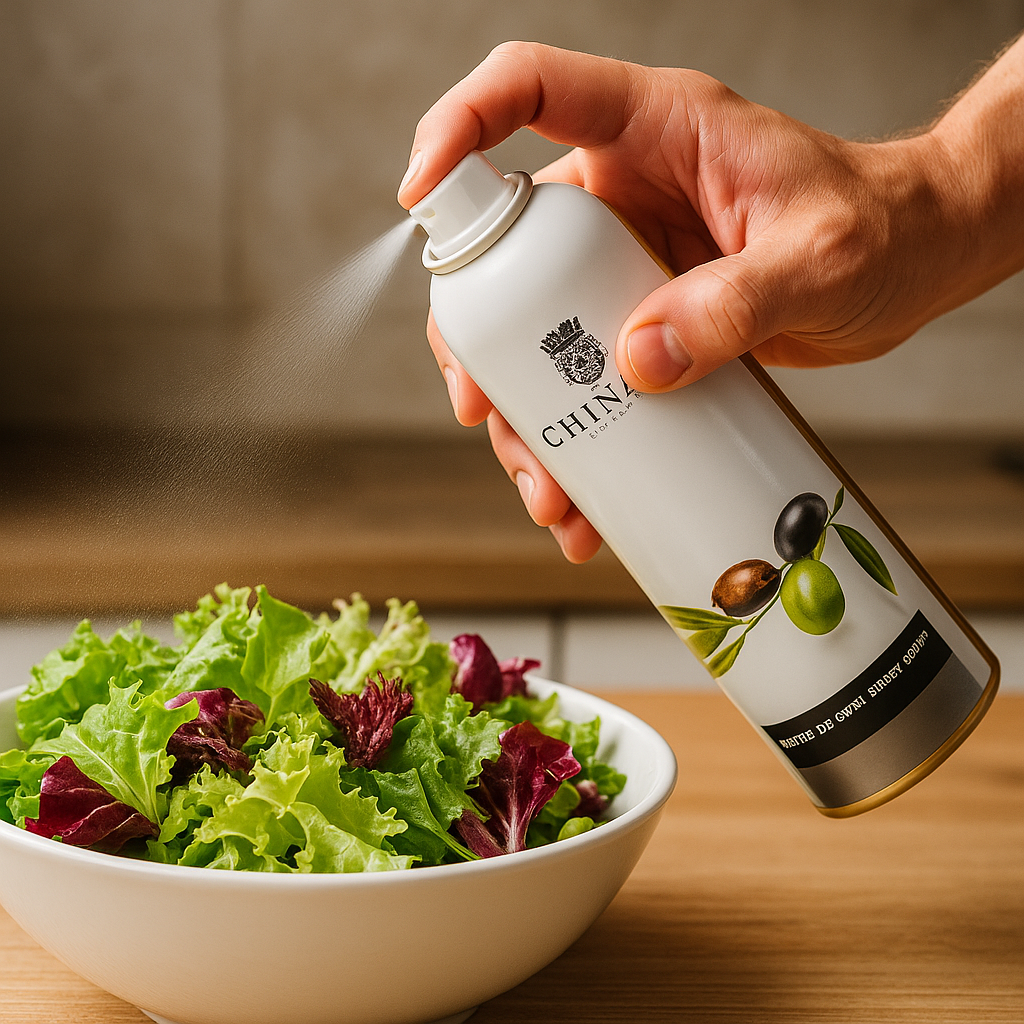
Yet this cream also finds its place in more elaborate preparations. Incorporated into a pasta sauce, it brings depth and character without weighing down the dish. Mixed with plain yogurt and fresh herbs, it becomes a quick dip to accompany crisp vegetables at an aperitif. Some adventurous cooks even use it to enrich a vinaigrette, creating a powerful emulsion that transforms a simple salad into a gustatory experience.

The Spanish aperitif reinvented around the olive

In Spain, aperitif time – the famous vermut or hora del aperitivo – constitutes a social ritual rooted in daily life. People gather with friends or family, glass in hand, to nibble a few bites before the meal. Olives occupy a central place there, presented in every form: whole, pitted, stuffed, or transformed into cream.

The La Chinata green olive cream fits perfectly into this tradition while modernizing it. It allows you to quickly compose an assortment of varied canapés, where each bite tells a different facet of Spanish gastronomy. Pair it, for example, with Plaza del Sol green olives stuffed with lemon paste, whose citrus freshness contrasts with the intensity of the cream. Or offer green olives stuffed with chili paste alongside, for those seeking a spicier dimension.

This diversity reflects the richness of Spain's olive-growing heritage. Each region, each producer develops its own recipes, passed down from mother to daughter or refined over decades. Stuffed olives thus represent an art in itself: the fruit must be pitted without damaging it, then filled with a stuffing that must hold together without falling apart. Green olives stuffed with garlic paste illustrate this creativity, marrying the tender sweetness of the olive with the pronounced character of garlic, the king condiment of Mediterranean cuisine.

For a complete aperitif spread, also consider incorporating other olive-based preparations, such as La Chinata tomato and olive cream. This variant brings a note of sweetness and roundness thanks to the tomato, while retaining the aromatic depth of the olive. The alternation between these different textures and flavors creates a dynamic gustatory experience, where you naturally move from one bite to the next without tiring.

Cooking with olive cream: ideas and inspiration

Beyond the classic spread, the La Chinata green olive cream lends itself to many culinary applications. Its creamy texture and concentrated flavor make it a versatile ingredient, capable of transforming a simple dish into a refined creation.

In traditional Mediterranean cuisine, olives are often found as a condiment in braised dishes. Olive cream can thus enrich a lamb stew or braised chicken, bringing a vegetable note that balances the richness of the meat. Simply incorporate a tablespoon at the end of cooking, allowing the preparation to simmer for a few minutes so the aromas diffuse. The result? A creamy sauce where the cooking juices and the depth of the olive mingle.

Fish lovers will also appreciate this cream as an accompaniment to grilled fillets. A piece of cod or sea bass, simply pan-fried with a drizzle of olive oil, is elevated by a quenelle of olive cream placed at the last moment. The heat of the fish causes the cream to melt slightly, creating a natural jus that delicately coats the flesh. Add a few roasted cherry tomatoes and a squeeze of lemon, and you have a balanced plate with distinctly Mediterranean accents.

On the vegetable side, olive cream pairs wonderfully with eggplant. Cut them into slices, roast them in the oven with a drizzle of oil, then spread them generously with olive cream before stacking them in layers. Intersperse the layers with a few fresh basil leaves and parmesan shavings. Return to the oven for a few minutes to allow the cheese to melt slightly. This vegetarian dish, both simple and elegant, will seduce even the most carnivorous of your guests.

Pasta represents another ideal playground. For a quick recipe, cook spaghetti al dente, then toss them off the heat with a few spoonfuls of olive cream, a little pasta water to loosen the sauce, and some pecorino shavings. The cream coats each spaghetti strand with a savory film, creating a sauce that clings perfectly without weighing down the dish. Sprinkle with chopped parsley and Espelette pepper to add color and vivacity.

Storing and tasting: practical advice

Like any artisanal preparation based on olive oil, the La Chinata green olive cream requires some precautions for storage to preserve its organoleptic qualities. Once the jar is opened, always seal it tightly and store it in the refrigerator. The olive oil may solidify slightly when cold, but it will regain its creamy texture after a few minutes at room temperature.

For optimal tasting, remove the cream from the refrigerator about ten minutes before serving. This tempering time allows the aromas to fully release and the texture to regain its creaminess. If you are preparing spreads for an aperitif, this step makes all the difference: the cream spreads more easily and its flavor reveals itself more expressively.

When using the cream in cooking, remember to incorporate it at the end of cooking to preserve its aromatic profile. The volatile compounds of the olive, like those of extra virgin olive oil, are sensitive to prolonged heat. By adding it at the last moment, you preserve all the freshness and complexity of the preparation.

In French-speaking Switzerland, where aperitif culture is developing and enriching itself with Mediterranean influences, olive cream naturally finds its place alongside local preparations. It pairs perfectly with a glass of Valais Fendant, whose liveliness and minerality counterbalance the richness and intensity of the olive. Red wine lovers may prefer a young Valais Gamay, whose fruity notes dialogue harmoniously with the vegetable aromas of the cream.

Conclusion: Mediterranean authenticity within reach

The La Chinata green olive cream embodies this culinary philosophy where the simplicity of ingredients is enough to create memorable preparations. The fruit of an artisanal know-how passed down through generations, it allows us to find in our kitchens a bit of that Spanish warmth, those aperitifs that linger under the plane trees, those improvised meals where we share far more than food.

Whether you spread it simply on toasted bread, incorporate it into your favorite recipes, or offer it to your guests during an aperitif, this cream tells a story: that of a demanding terroir, passionate producers, and a rich and vibrant gastronomic tradition. In discovering it, you are not simply buying a product: you are inviting a bit of authentic Spain into your everyday life.

Discover La Chinata green olive cream and the entire range of Spanish olives on origenes.shop, your source for artisanal products delivered from Lausanne throughout Switzerland.