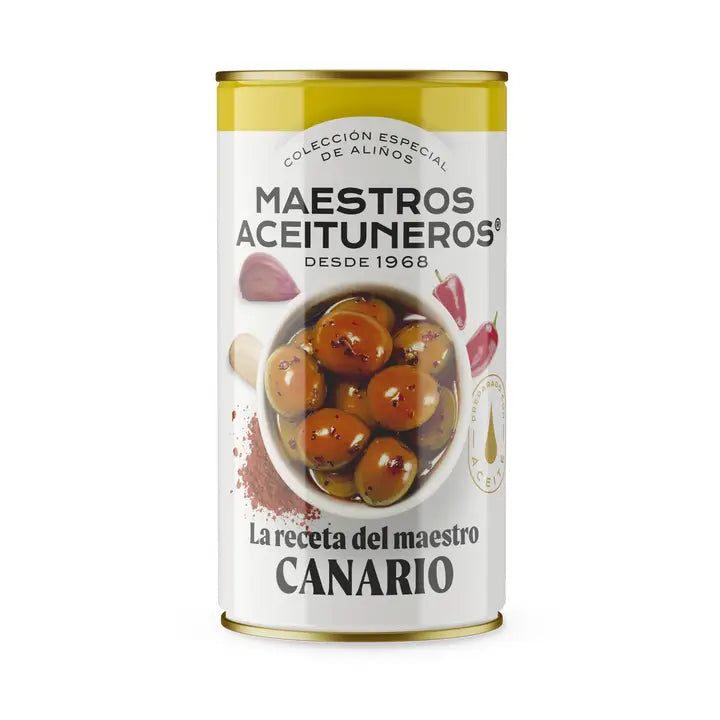
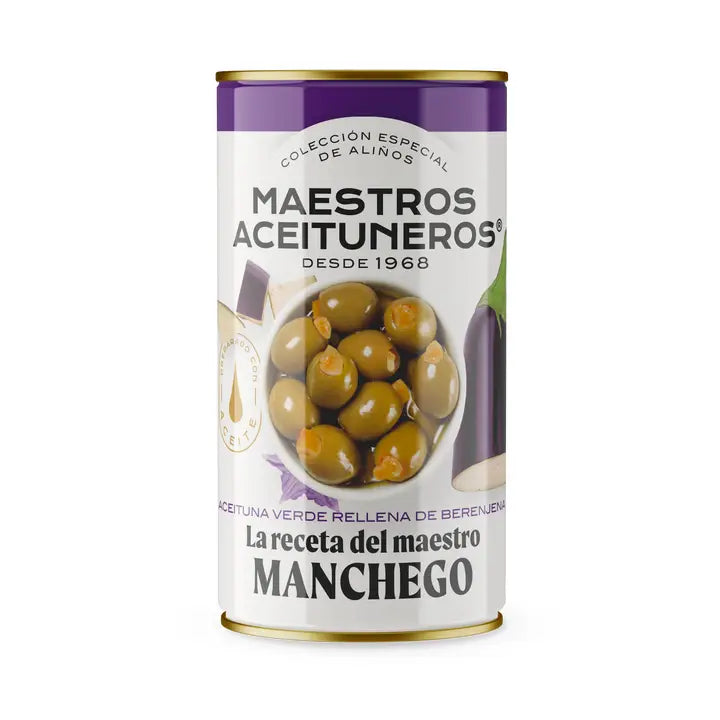
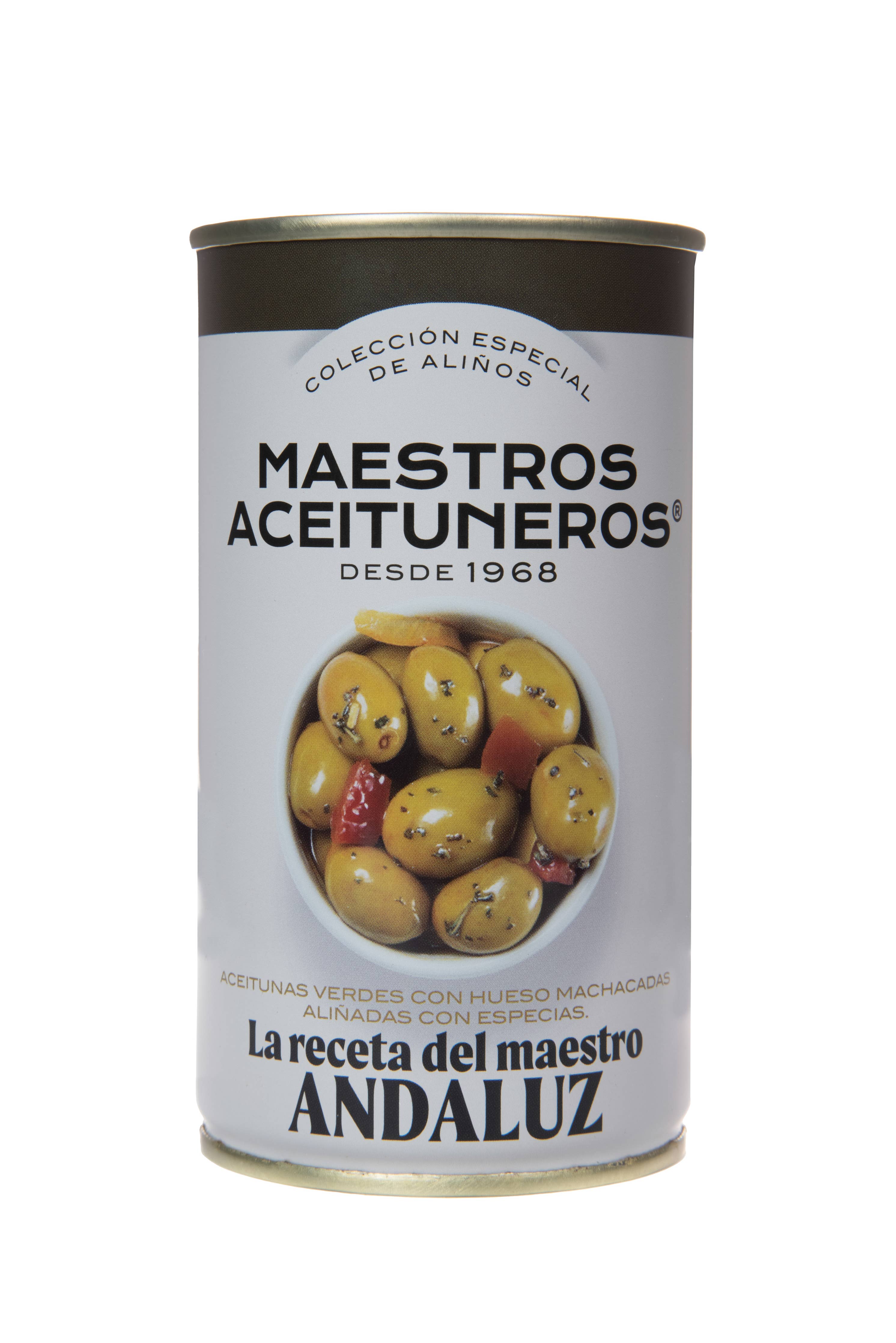
The story of this house
Maestros Aceituneros embodies a certain idea of Spanish olive oil craftsmanship: one where each master producer personally knows his terroirs, his cultivars, the rhythms of the harvest. Located in Extremadura, a region historically crossed by the Tajo and marked by a semi-arid continental climate, this house perpetuates fermentation and aging traditions that stretch back several generations. Cáceres, a monumental city where medieval history is inscribed in stone, was long a center of olive oil commerce: olives arrived from the surrounding areas, were prepared there, were refined there.
The recipe signed by the "master of Cáceres" is not a marketing gimmick: it represents rather a formula, a fermentation and seasoning protocol passed down, preserved, reinterpreted according to resources and seasons. Maestros Aceituneros chose to perpetuate this path rather than seek industrialization. It is a choice that limits production, imposes rotations, but guarantees rare flavor consistency.
What made this product singular
Cacereña olives are first and foremost a variety: black, fleshy, with flesh that does not crumble easily and a proportional pit. Harvested at full maturity in Extremadura, they naturally possess a sugar content and aromatic compounds that other cultivars do not have. This base sweetness — what tasters call the "sugariness" — constitutes the signature of the Cacereña. It is never raw, never aggressively salty: it is an olive that welcomes you rather than assaults you.
The aromatic depth came from controlled fermentation: the time spent in brine, the natural microorganisms of the fruit and its environment created earthy notes, slightly lactic, with echoes of dried herbs. The container format — 370 ml for 150 g drained — suggested a generous juice preparation, not a desiccation. It was an olive to be savored slowly, not consumed mechanically.
The portrait
Four words to understand it
Tap a card to learn more.
How we served it
As an aperitif, naturally. Poured into a small bowl, pitted or not depending on the mood. With a glass of sherry or a dry white wine that lets the mineral quality of the olive breathe without overwhelming it. Conversations lengthen around these olives: they invite pause, reflection between sips.
In salad, it found its place alongside roasted beets, fresh cheese, toasted pine nuts — compositions where its natural sweetness dialogued with the acidity of a good vinaigrette. It never dominated, never shouted; it enriched.
Finely chopped, it also entered into homemade tapenade, less for its integrity than for the creamy texture it brought to the final result. Some customers added it to roasted vegetable braises, to a lentil stew: more wintry preparations where its aromatic depth found echoes.
At the table
Where to use it
Four uses from our Cellier.
Why it left our Cellier
Like any artisanal product in limited rotation, the Cacereñas from the Master of Cáceres exhausted their series. The olive oil season ends, stocks close. It is the normal cycle: we make room for the next discoveries, for the houses that solicit us, for the regions that have completed their autumn and winter preparations. No disappointment, no reproach — simply the natural rhythm of Le Cellier.
To go further
If you enjoyed this flavor profile — natural sweetness, fermented notes, generous format — explore our current selection of prepared olives. We regularly offer olives from small Iberian and Mediterranean producers, each with its regional signature. Some privilege bitterness, others greenness; still others, like the Cacereñas, showcase the native richness of the fruit. Le Cellier also welcomes Greek, Catalan, Andalusian varieties: olive oil worlds to explore at your own pace.
Le Cellier is a living journal: we archive out of respect but the active catalog evolves. See our current selection in this category → · or browse the complete Cellier.
Quick quiz
Do you know the Cacereña now?
Four questions, the answers are in the article.