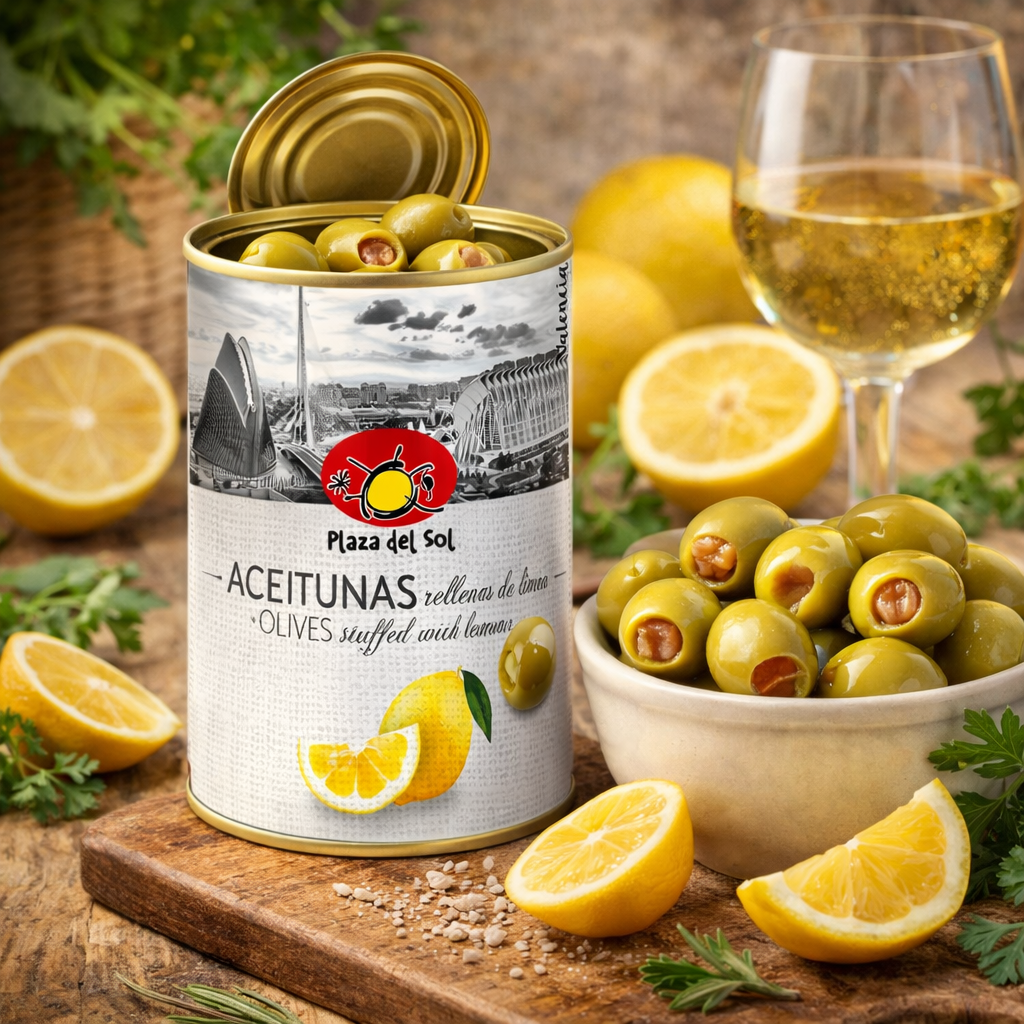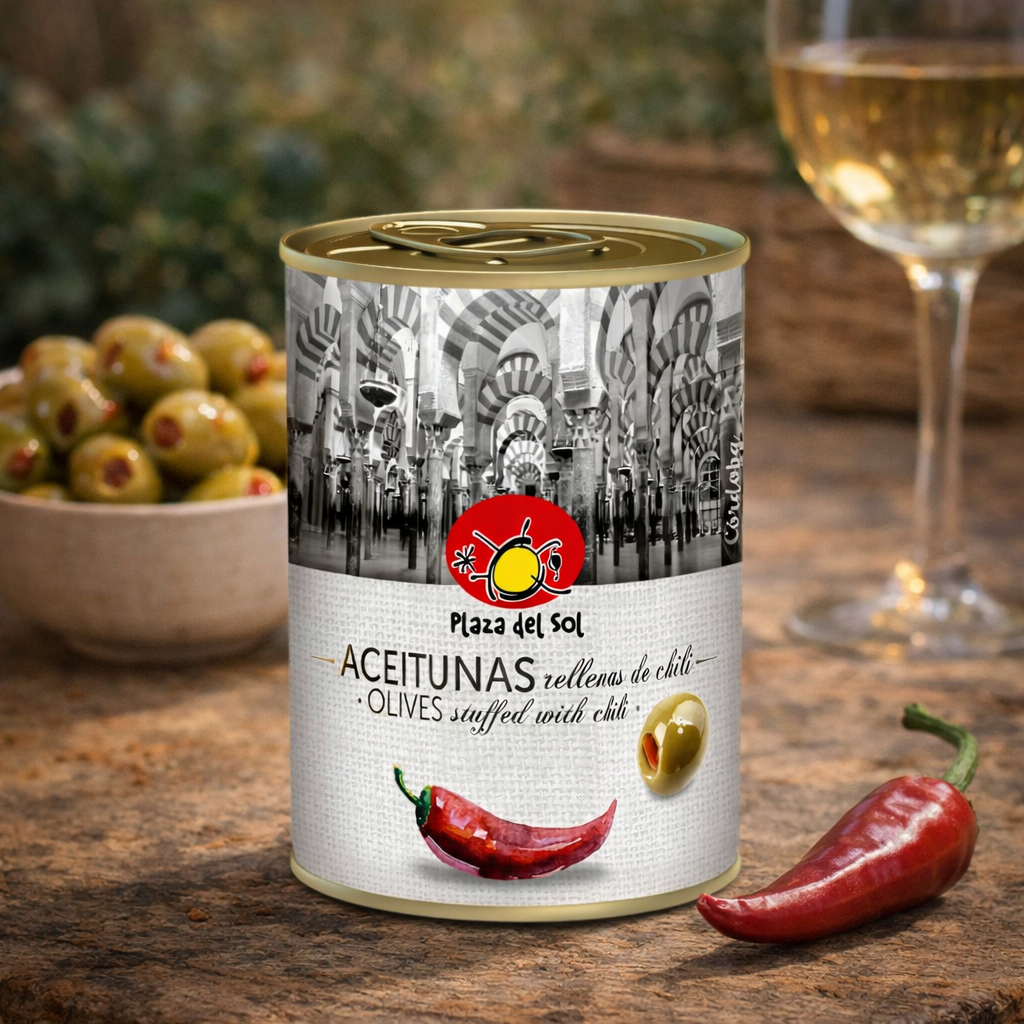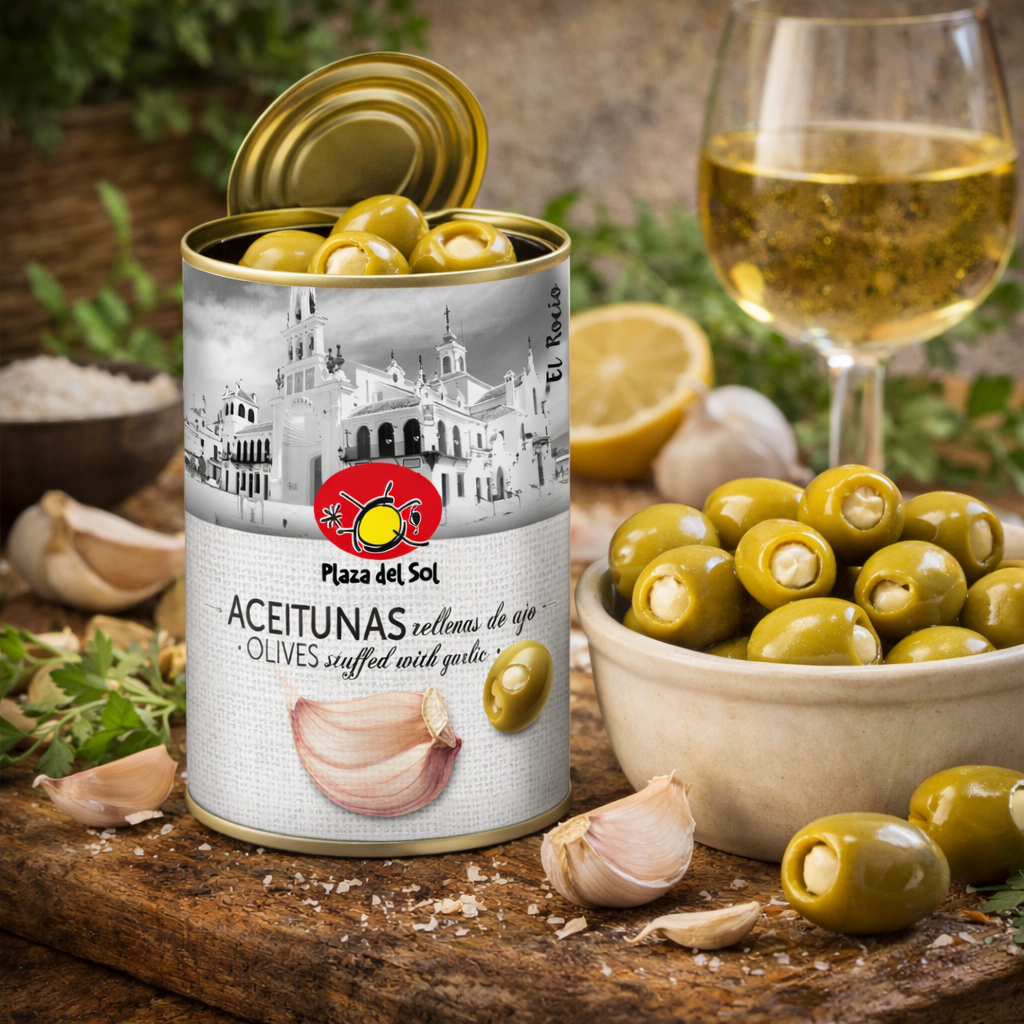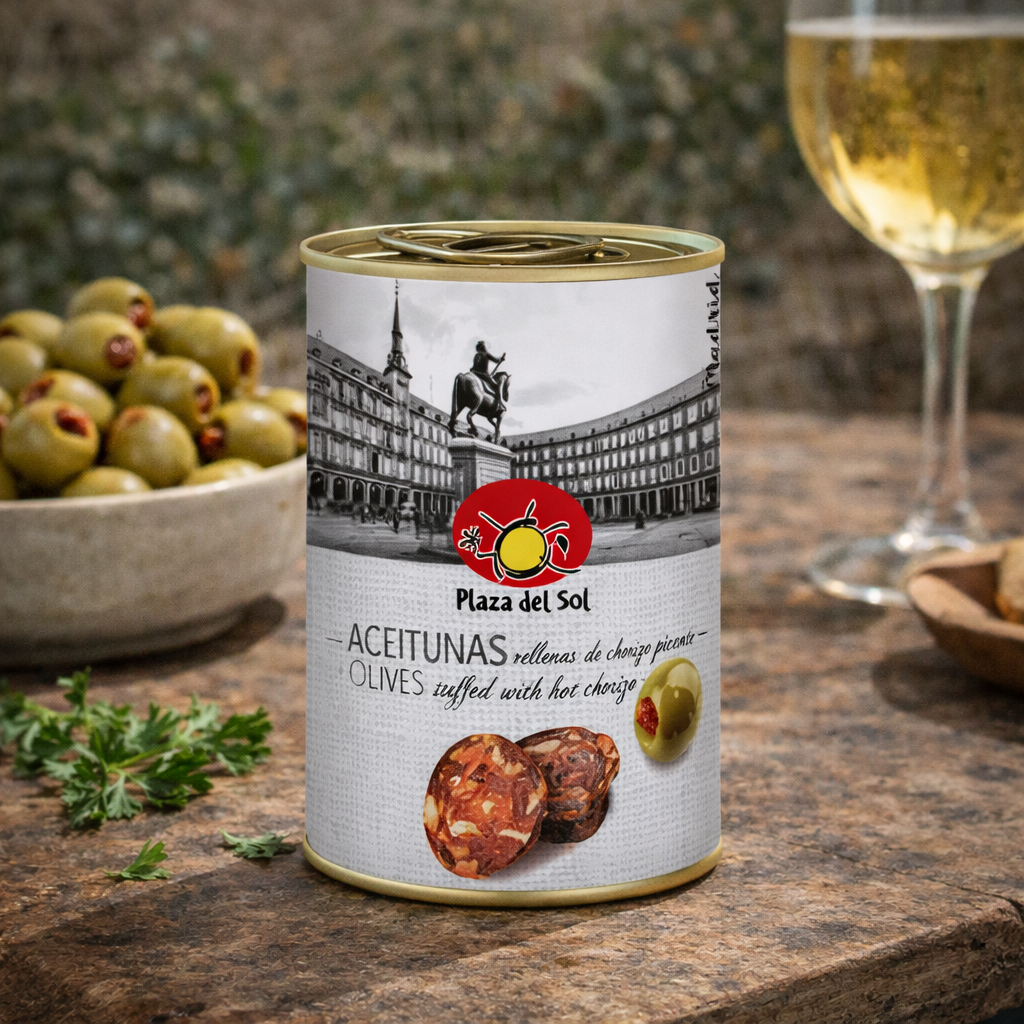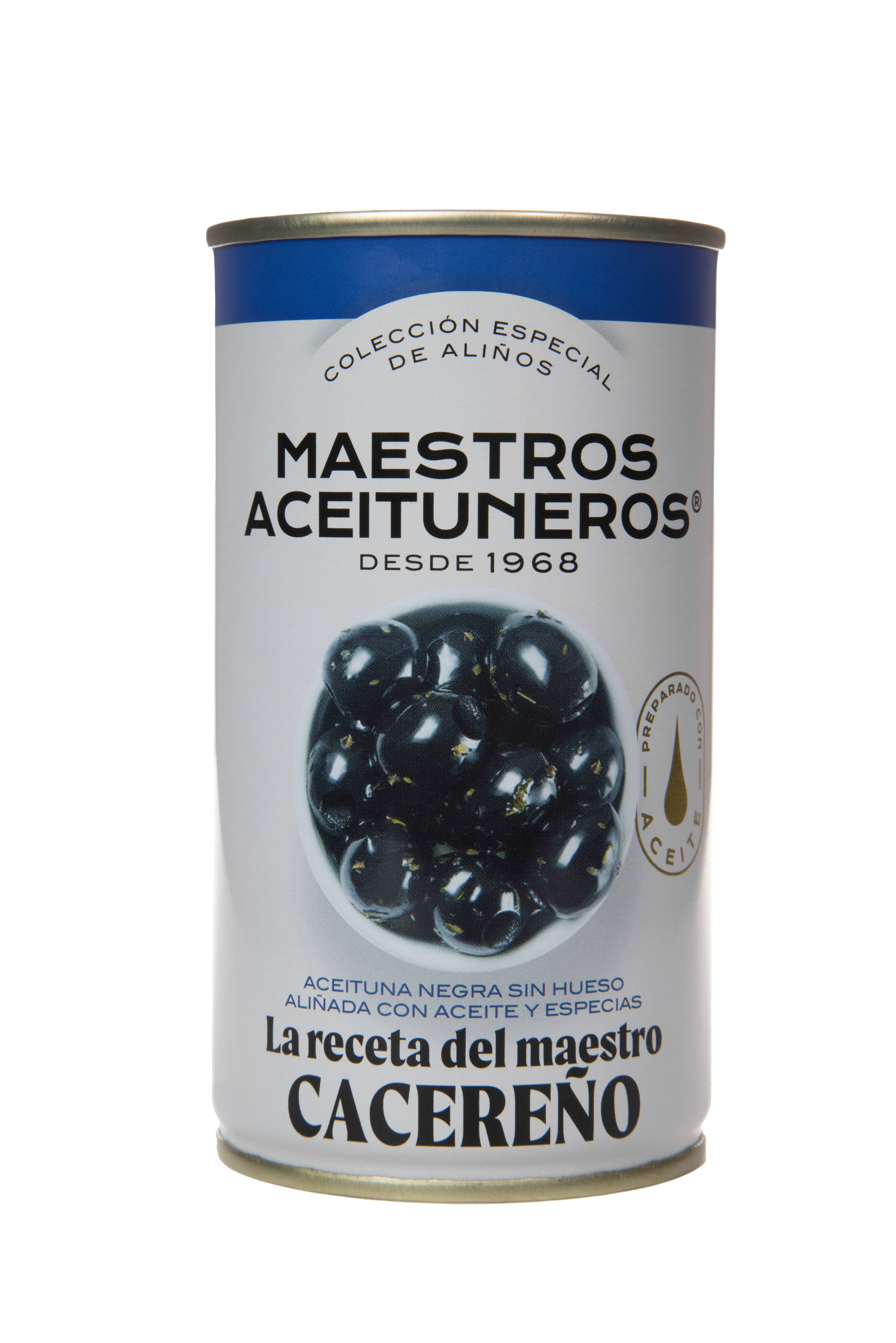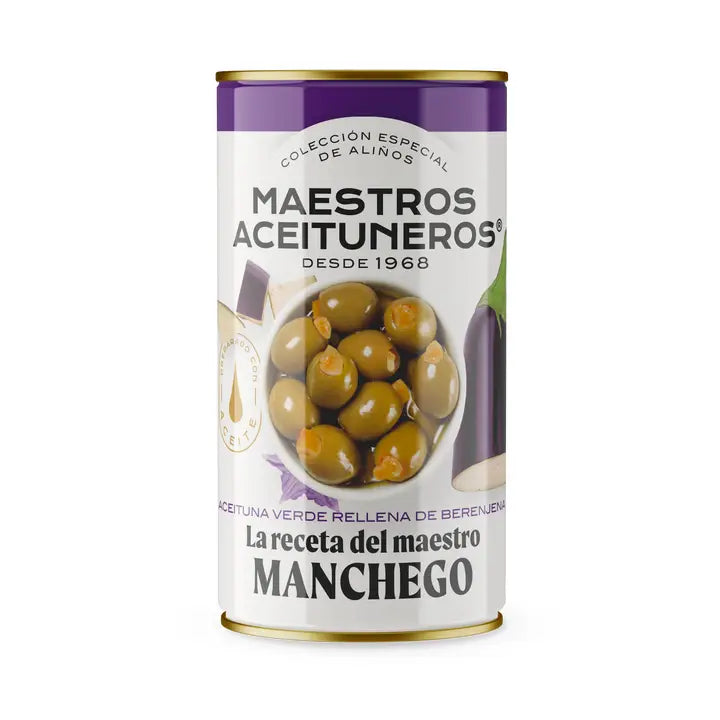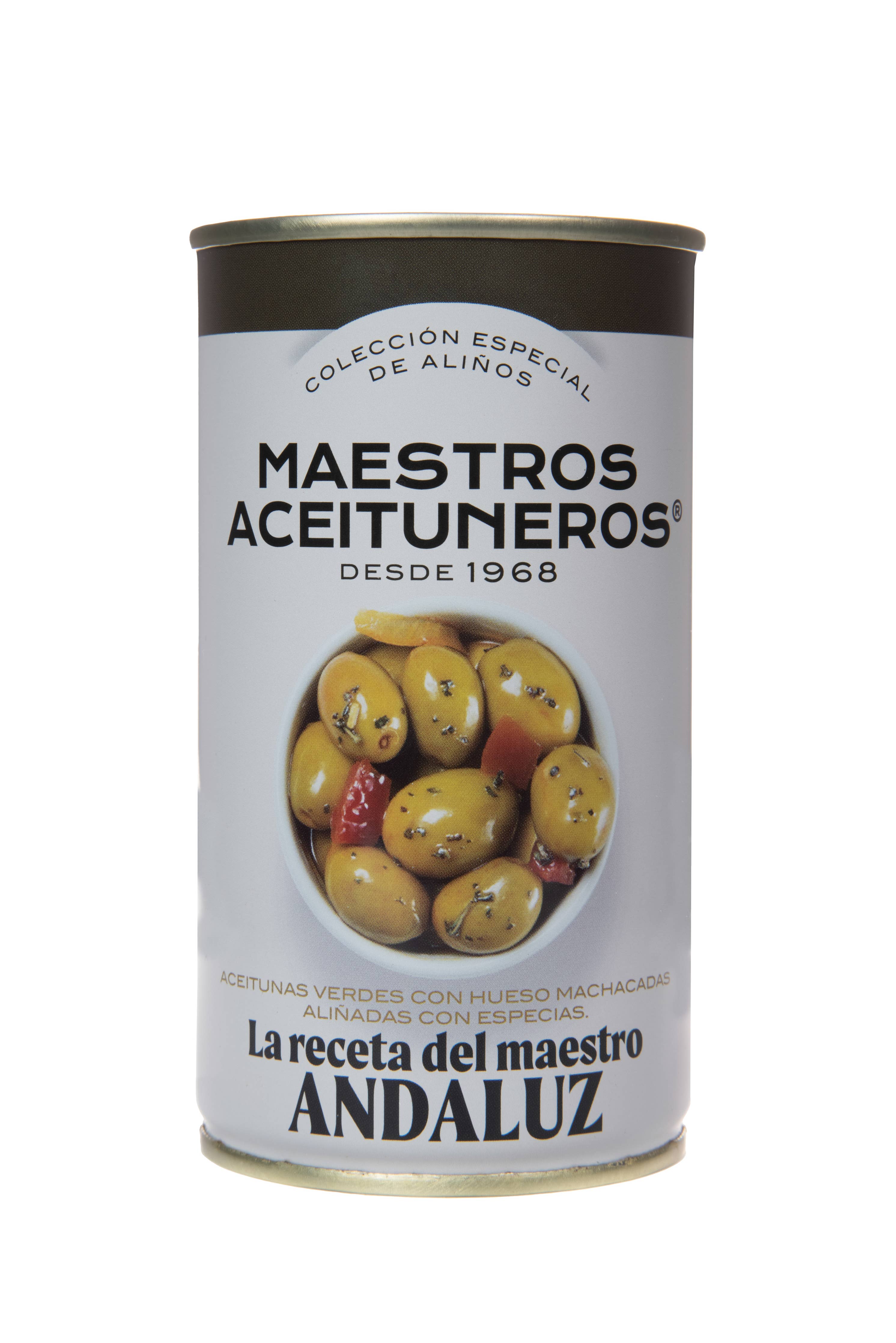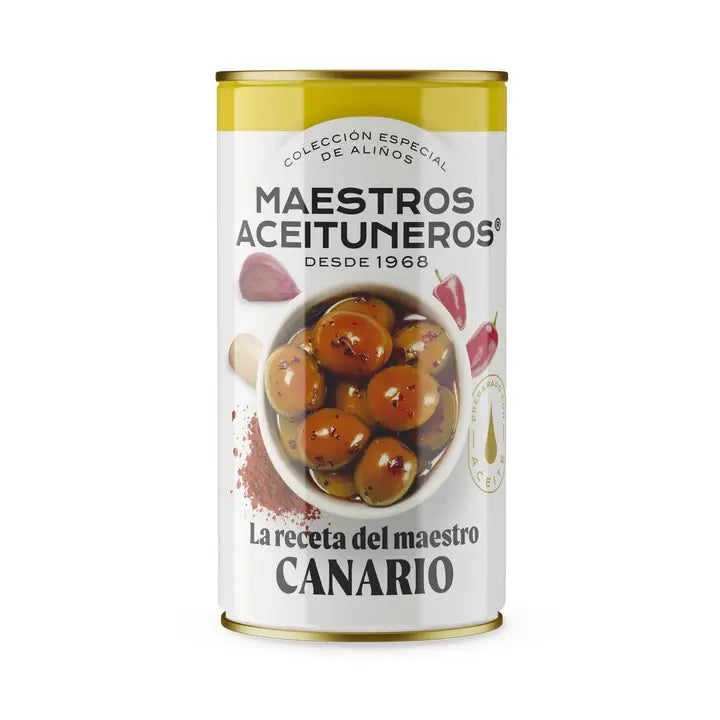
In the Le Cellier Archives Notebook, we are archiving today an olive that circulated through our shelves: the Manzanilla according to the Canarian Recipe by Maestros Aceituneros. Not a permanent disappearance, but a natural rotation of time that turns, that renews.
The story of this house
Maestros Aceituneros is part of an already ancient tradition: that of refiners and producers of the western Spanish peninsula, particularly in Extremadura, a region where time-honored salting techniques inherited over generations converge with geography favorable to olive cultivation. The house derives its prestige from an artisanal approach that the term "maestros" (masters) only partially summarizes: it is a philosophy of meticulous selection and respect for the fruit.
Extremadura, less glamorized than Andalusia, remains a land of discreet expertise. Maestros Aceituneros embodies this productive discretion: small batches, meticulous care, absence of flashy marketing. They produce, refine, and pass on. The Canarian recipe represents precisely that moment when regional tradition dialogues with other Iberian horizons — here, the gustatory influence of the Canary Islands, a distant archipelago but connected to Spanish heritage by less visible culinary threads.
What made this product singular
Manzanilla olives are already, by nature, lightly crafted olives: fine flesh, proportionate pit, delicate profile. They lend themselves to transformation, seasoning, adventure. Maestros Aceituneros chose a curious route: enriching this delicacy with island flavors — gentle spices, perhaps a touch of fermented garlic, certainly a citrusy or herbal freshness that evokes the winds of the Atlantic near the Canaries. The result: an olive that does not abandon its Mediterranean nature, but complexifies it.
The product arrived in 370 ml drums (185 g drained), a format that says something: this is not the festive packaging of the tourist, it is the container of the cook, the restaurateur, of one who envisions the olive as an ingredient. The slight piquancy mentioned in the description is not hollow marketing — it is the signature of controlled fermentation, just acidity, a salt that does not drown but reveals.
How we served it
At the aperitif first, that was its natural territory: accompanied by dry white wine or craft beer, they created that moment of suspension before the meal, that moment when the olive embodies a Mediterranean pause. The slightly piquant freshness awakened without tiring.
But beyond the aperitif, they had less obvious culinary lives. Placed on a salad of fine fennel and orange, they brought an unexpected note — less smooth than a conventional olive, more conversational. Finely chopped on a poached egg, or simply in a sparse bowl of mezze, they dialogued without dominating.
Some doubtless tasted them on a charcuterie board — they played the role of palate balancer, a break from the fats of jamón or chorizo. Which is the true vocation of the olive: to serve as a transition key in the meal.
At the table
Four ways to serve it
Tap a card: the pairing, the gesture, the why.
Why it left our Cellier
No dramatic reason. Maestros Aceituneros produces in small batches; each recipe has its own life. This one followed its course: natural rotation, end of stock, space to free for other discoveries. This is how an itinerant cellier works: we welcome, we get to know, we say goodbye. No regrets, just an acknowledgement that even beautiful things are fleeting.
To go further
If you had formed a relationship with this Canarian Manzanilla, the current Olives catalog remains rich with other perspectives. Some houses offer more classical approaches, others gustatory horizons just as singular — perhaps less insular, but just as adventurous. That too is the Cellier: the permanence of the project beyond the rotation of products.
Le Cellier is a living notebook: we archive out of respect but the active catalog evolves. See our current selection in this category → · or browse the complete Cellier.
Quick quiz
Did you know it well?
Four questions, the answers are in the article.