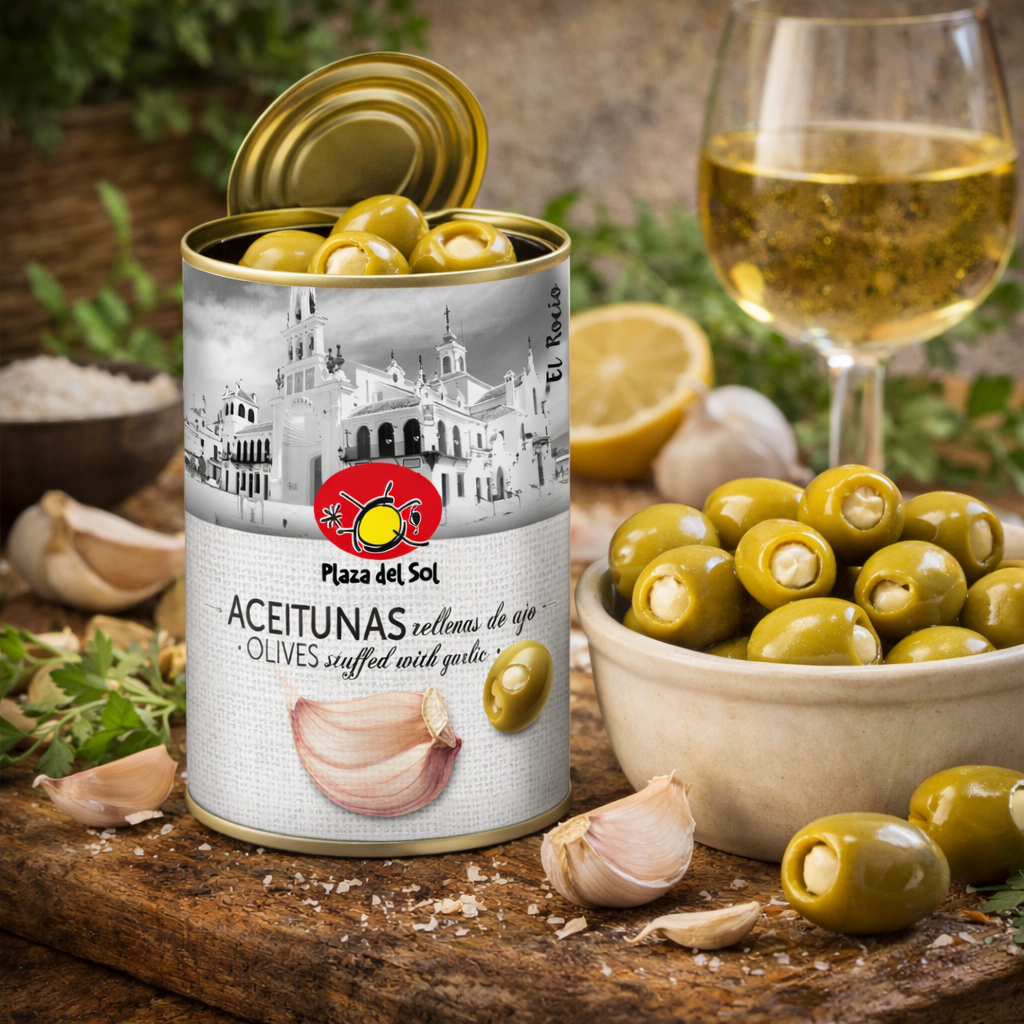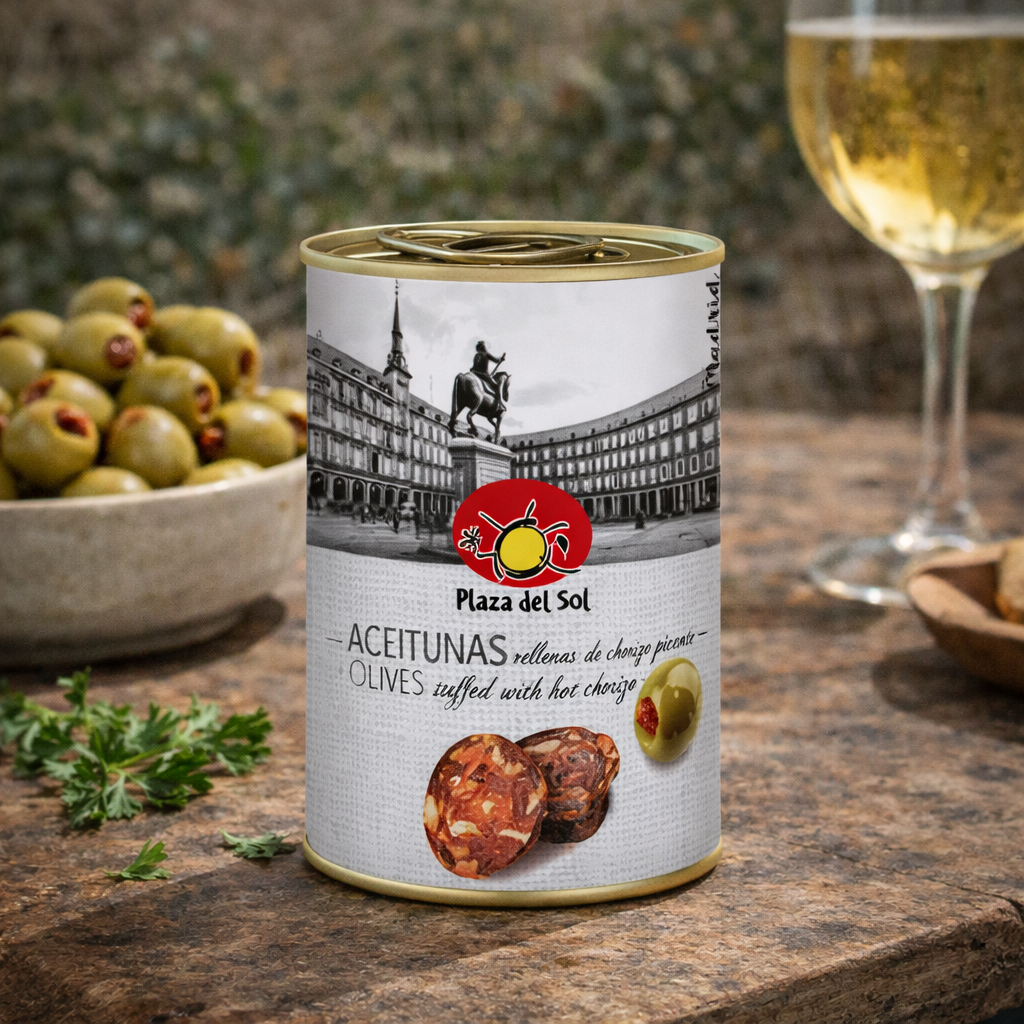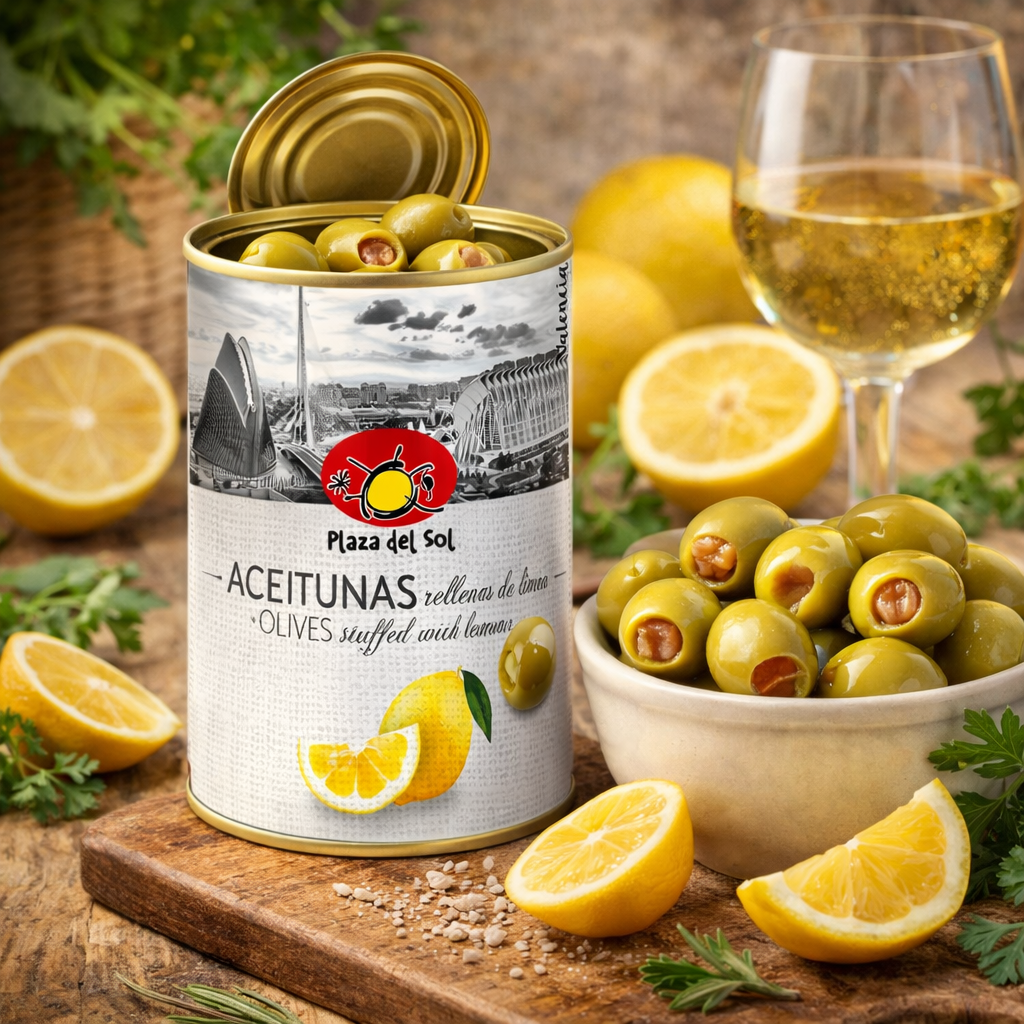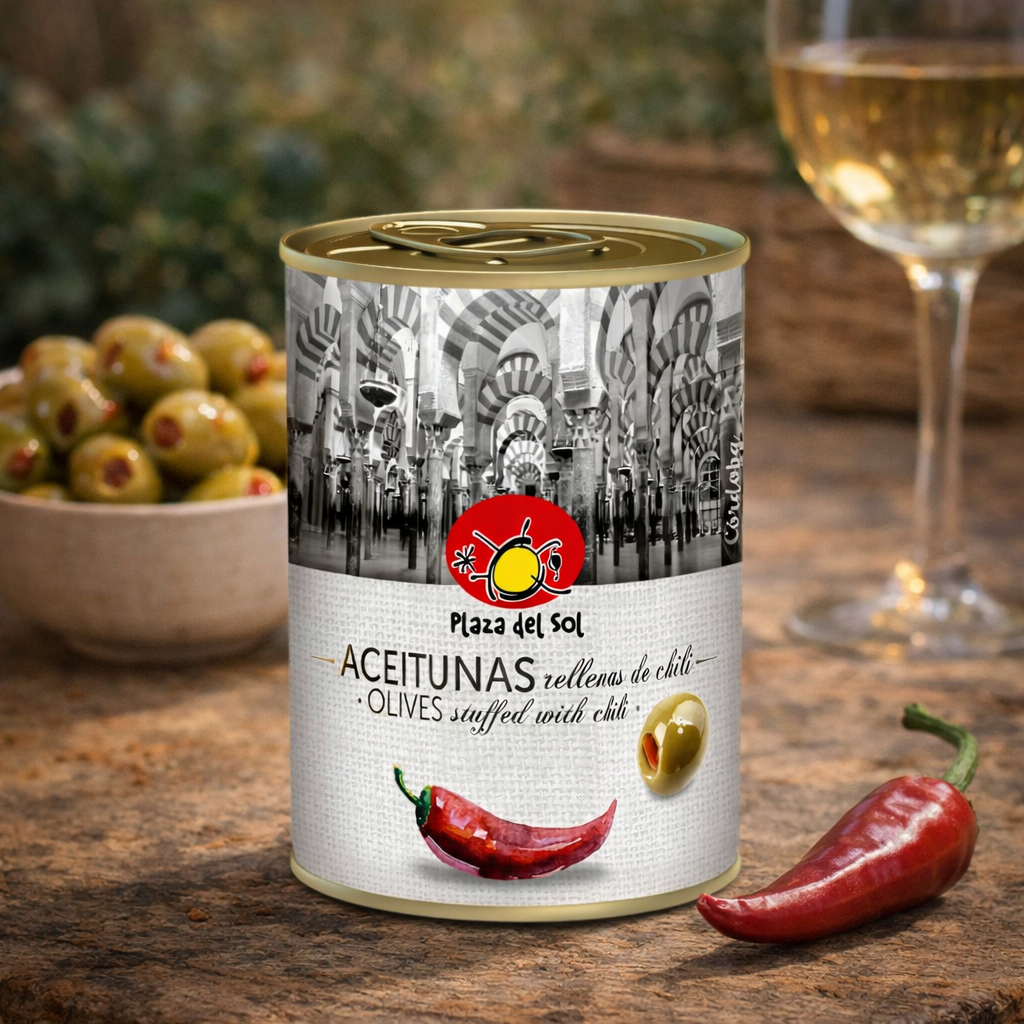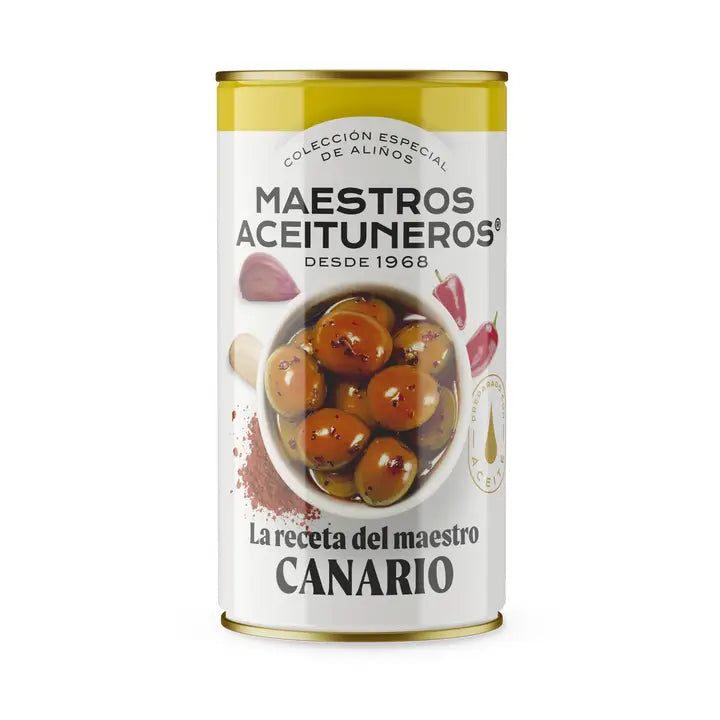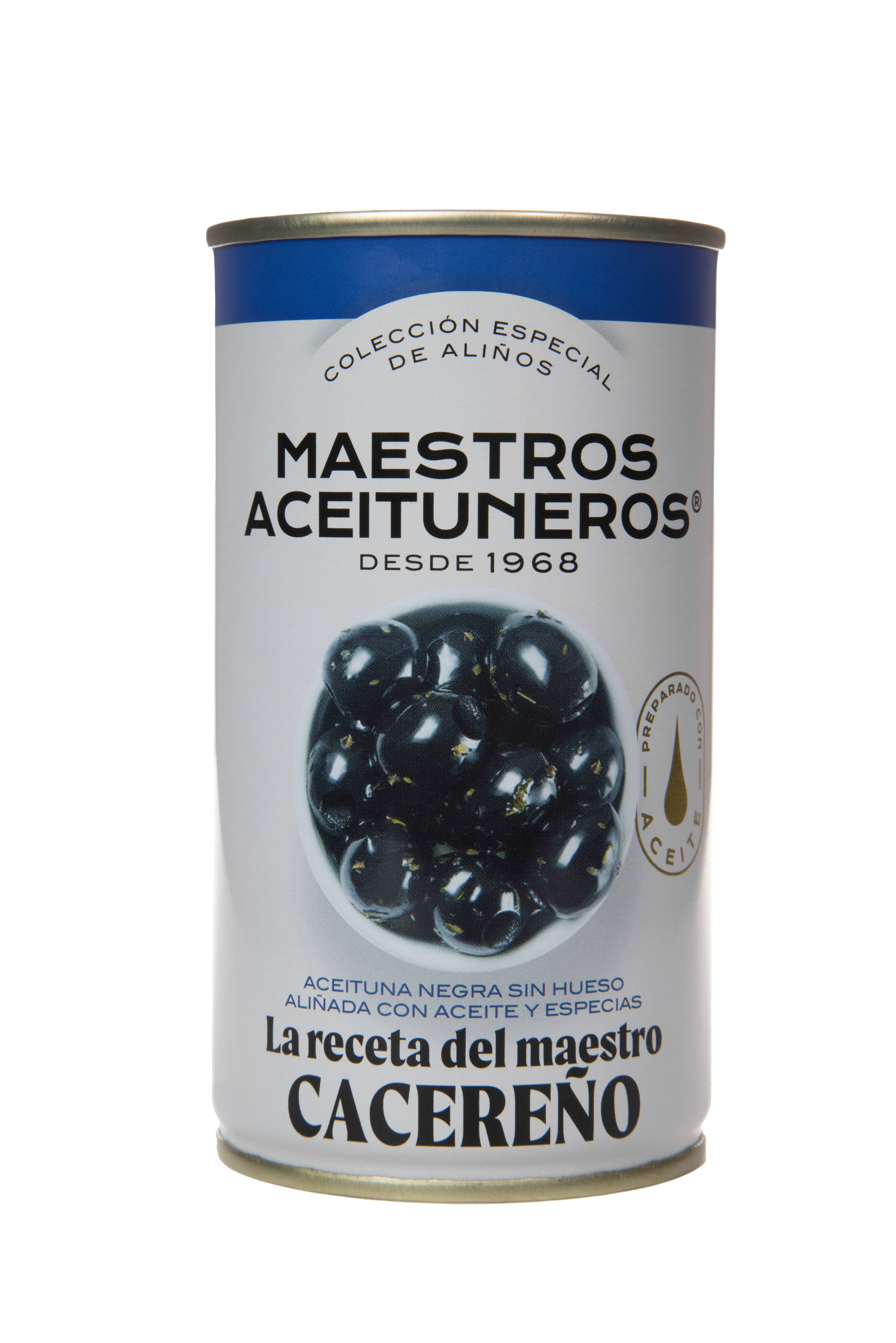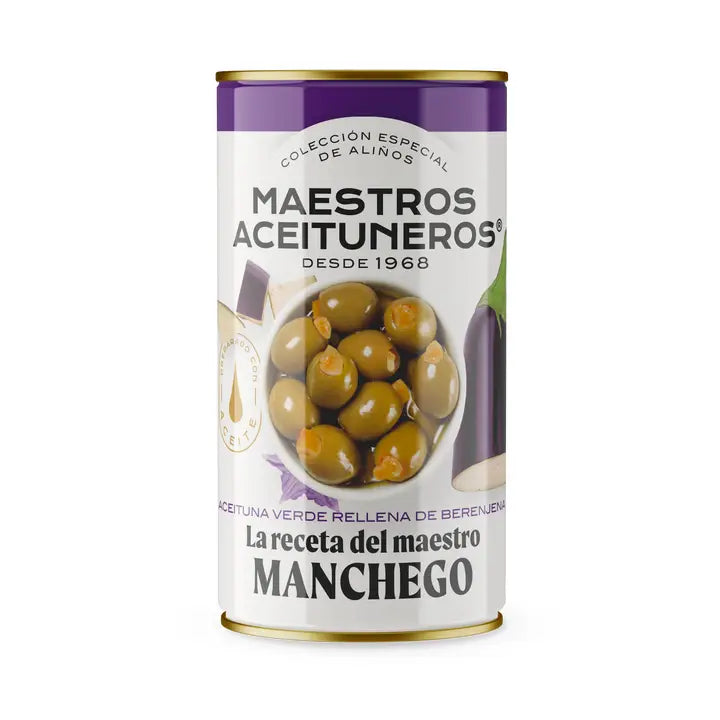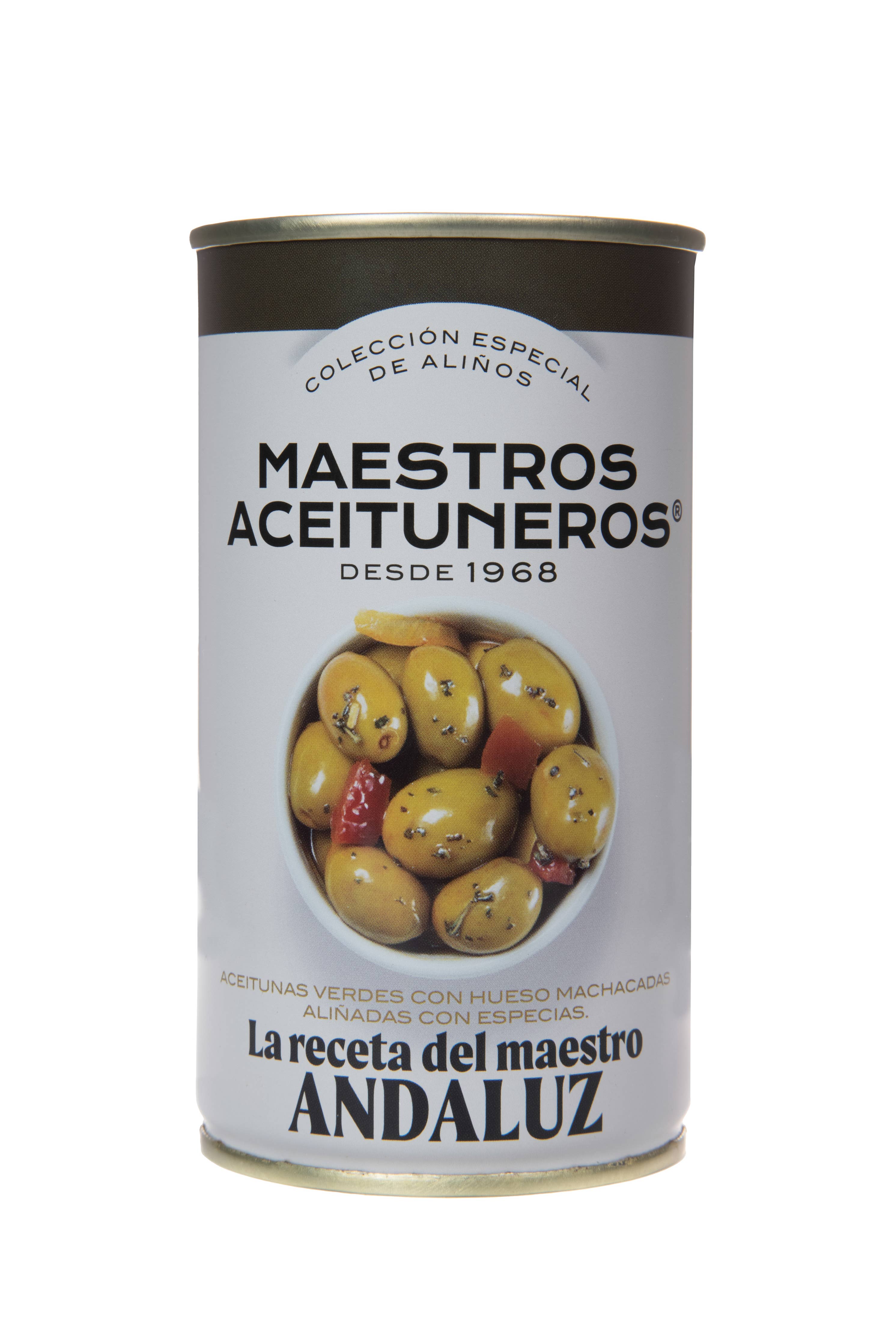
Every product that leaves our Cellier leaves a trace — that of a meeting, a flavor, a hand that prepared it. Today, we are archiving the cracked green olives from Maestros Aceituneros, those fruits that were once cracked by hand, with that rustic imperfection that tells the story of the work.
The story of this house
Maestros Aceituneros perpetuates a craft rooted in the lands of Extremadura, a region historically linked to olive cultivation and traditional preparation of table olives. This region of central-western Spain, between Andalusia and the Tagus, enjoys a dry continental climate conducive to rustic olive varieties, capable of producing fruit with firm flesh, ideal for artisanal cracking.
The house favors methods that date back several generations: respectful mechanical cracking, maceration in herb and spice brines, aging in barrels. This is not a volume industry, but a practice where each batch bears the imprint of the season and the judgment of the master craftsman.
What made this product unique
These cracked olives retained the pit — a detail that may seem trivial, but which changes everything. The pit retains some of the flesh's juices, preserves cellular structure, and guarantees that authentic crunchiness, the kind that resists between the teeth. It is the sign of an olive that is not over-macerated, not softened by overly long storage. They arrived at the table firm, generous, ready to deliver their concentration.
The seasoning — typical Andalusian spices, probably paprika, garlic, oregano, and traces of cumin — created an intense flavor profile without aggression. No blandness, no oppressive brine, but a herbal and slightly peppery breath. These olives demanded respect: you didn't swallow them, you savored them, you let the flavors unfold before reaching for the next one.
Myths and gestures
What gave them character
Four details, one card each.
How we served it
On a tapas platter, they naturally found their place alongside jamón ibérico or assertive cheese — the liveliness of the brine cut through the fat, refreshed the palate. A few olives, a few slices of chorizo, some toasted bread: the foundation of the Iberian aperitif.
They also lent themselves to simple kitchen finishing: fished out of a court-bouillon to accompany white fish, or roughly crushed as a dry condiment, sprinkled over a salad. The remaining pit imposed a certain restraint — you didn't run them through a mixer, you respected them whole.
And then there was the pleasure of the gesture, that of the Cellier: taking one out of the glass, letting it rest for a moment in your hand before bringing it to your mouth. A product that demanded presence.
Why it left our Cellier
Like so many excellent things, this one responds to the natural logic of rotation. Seasons change, suppliers recalibrate, and we explore other houses, other olive-growing terroirs. There is no regret here, just a succession — the life of the itinerant Cellier.
To go further
If you are looking for olives with the same rustic character and this intense flavor grip, our catalog offers other interpretations of the genre: cracked olives from other Spanish regions, Gordal or Manzanilla olives prepared traditionally, or even fermented black olives for a contrasting profile. Each oil house has its own vision of cracking and seasoning — an invitation to continue exploring.
The Cellier is a living journal: we archive out of respect but the active catalog evolves. See our current selection in this category → · or browse the complete Cellier.
Quick quiz
The master's gesture
Four questions, the answers are in the article.