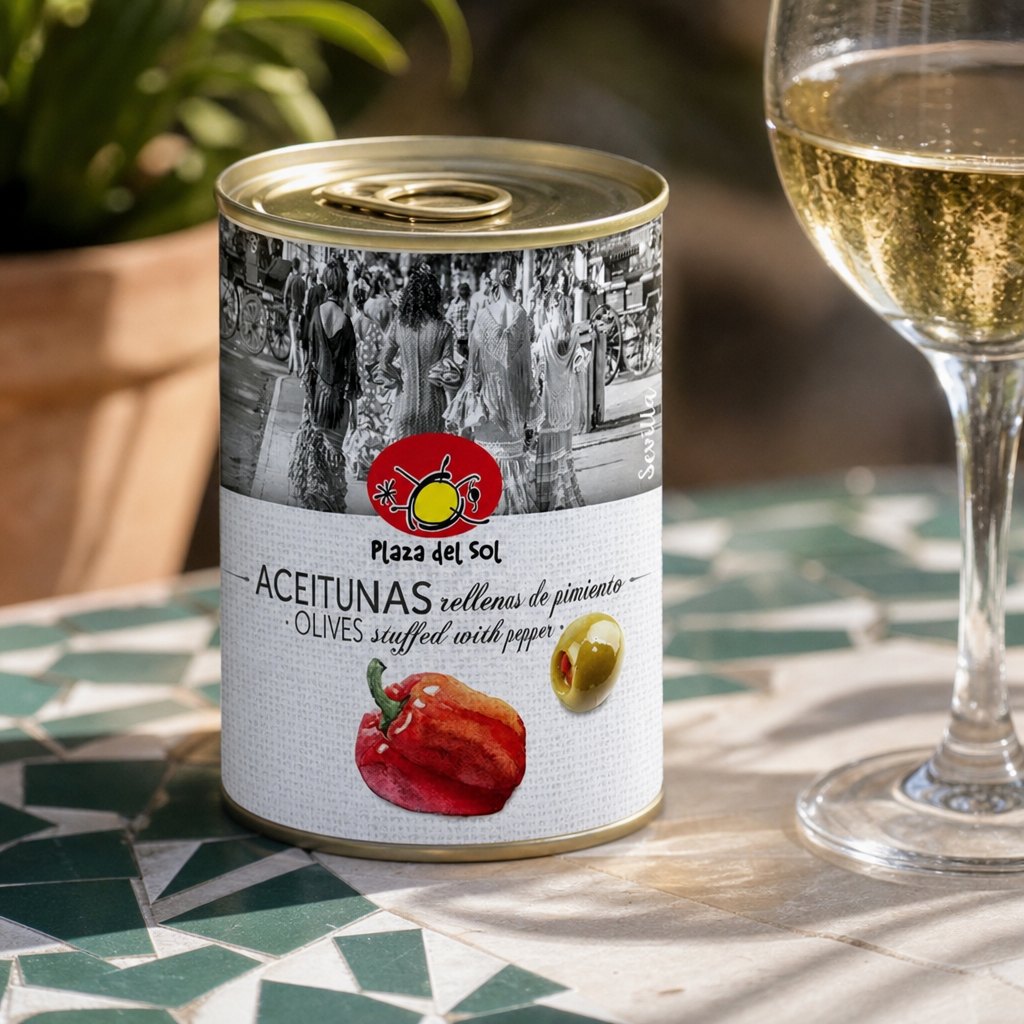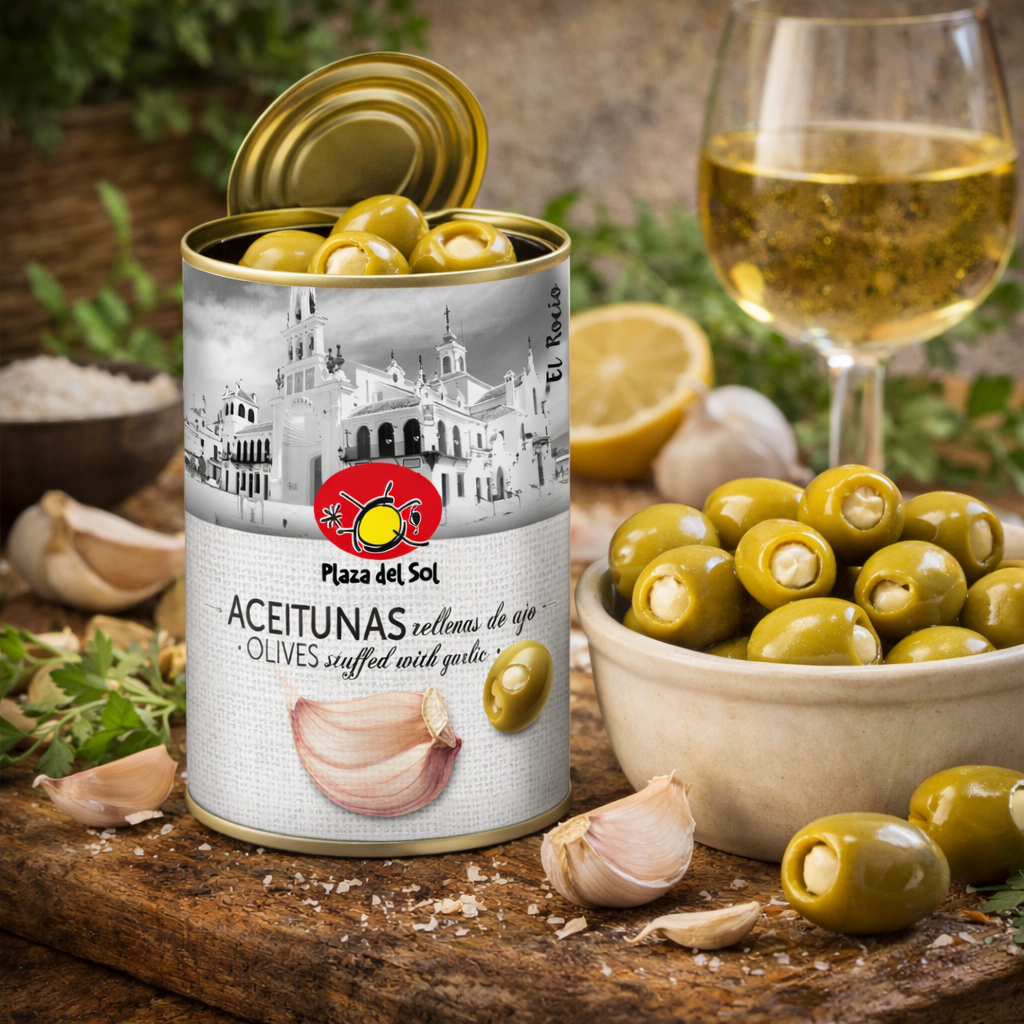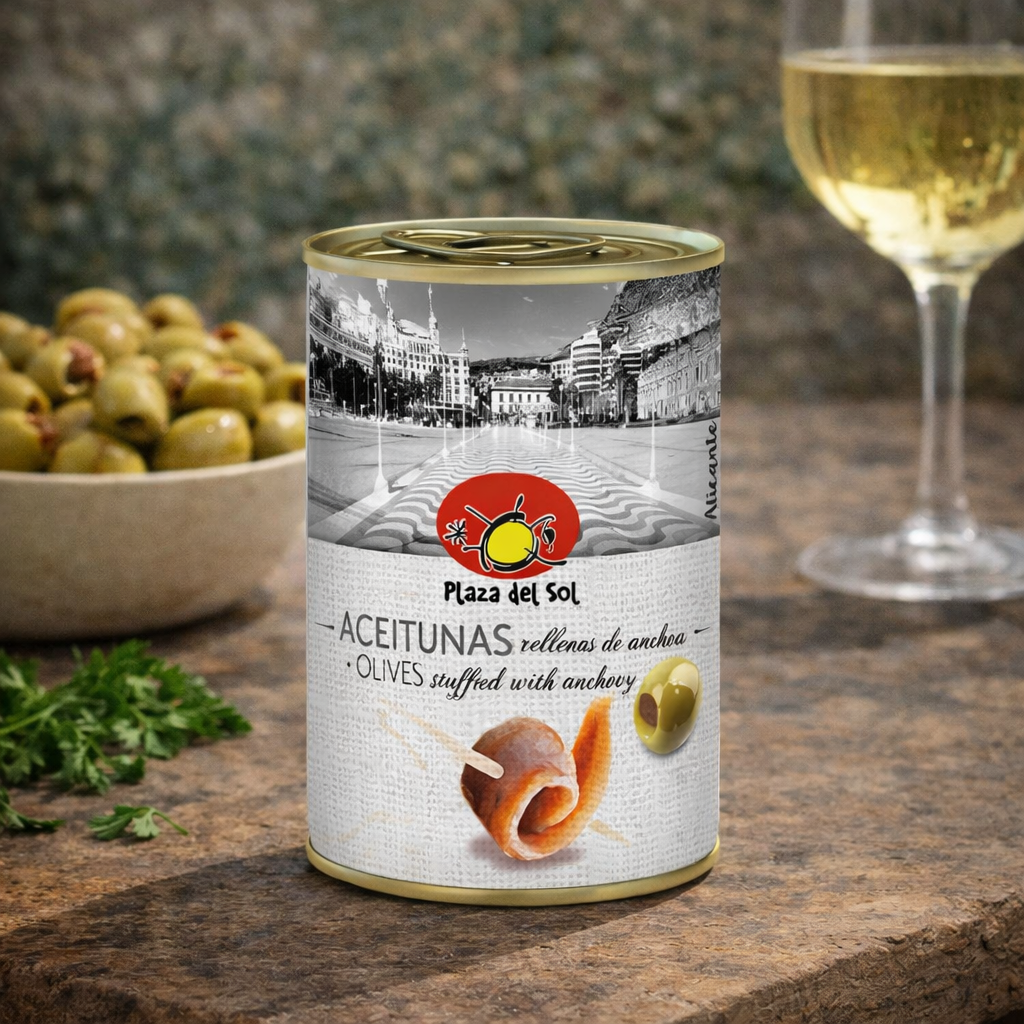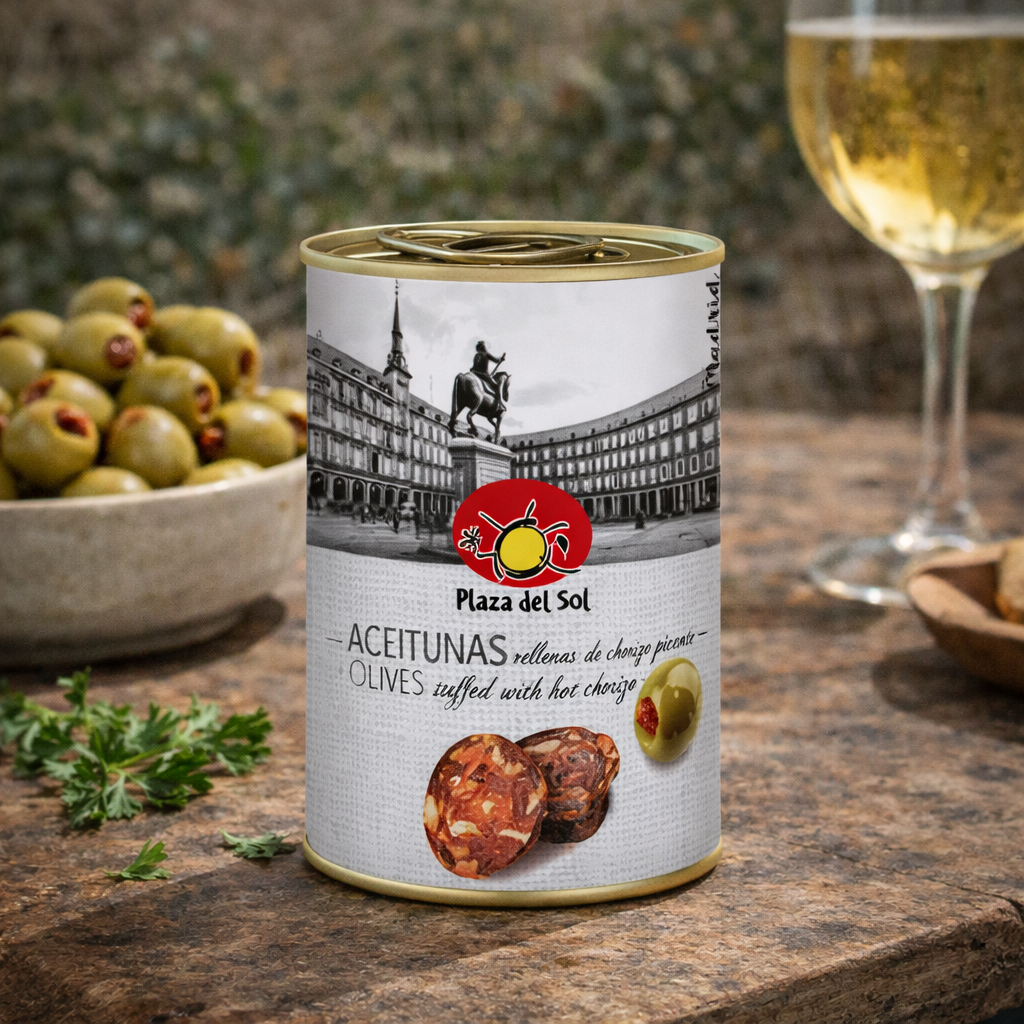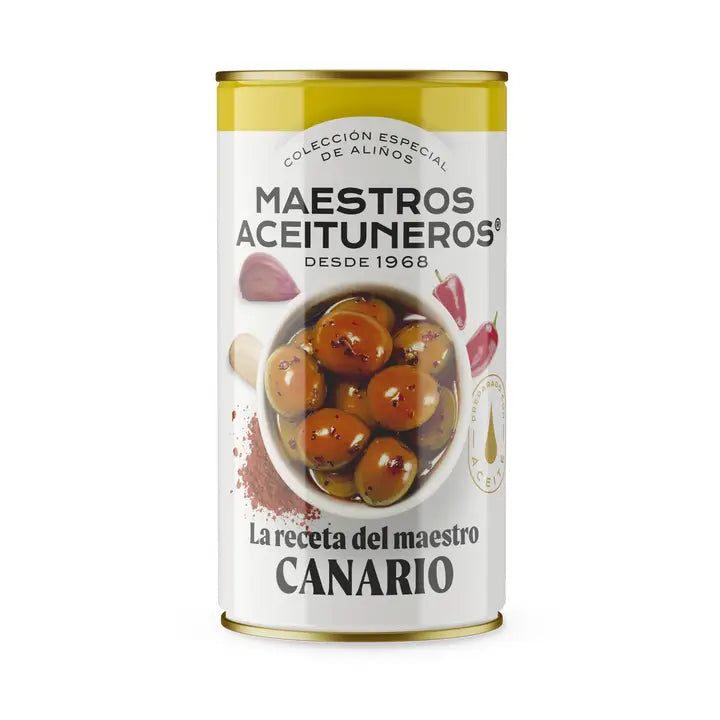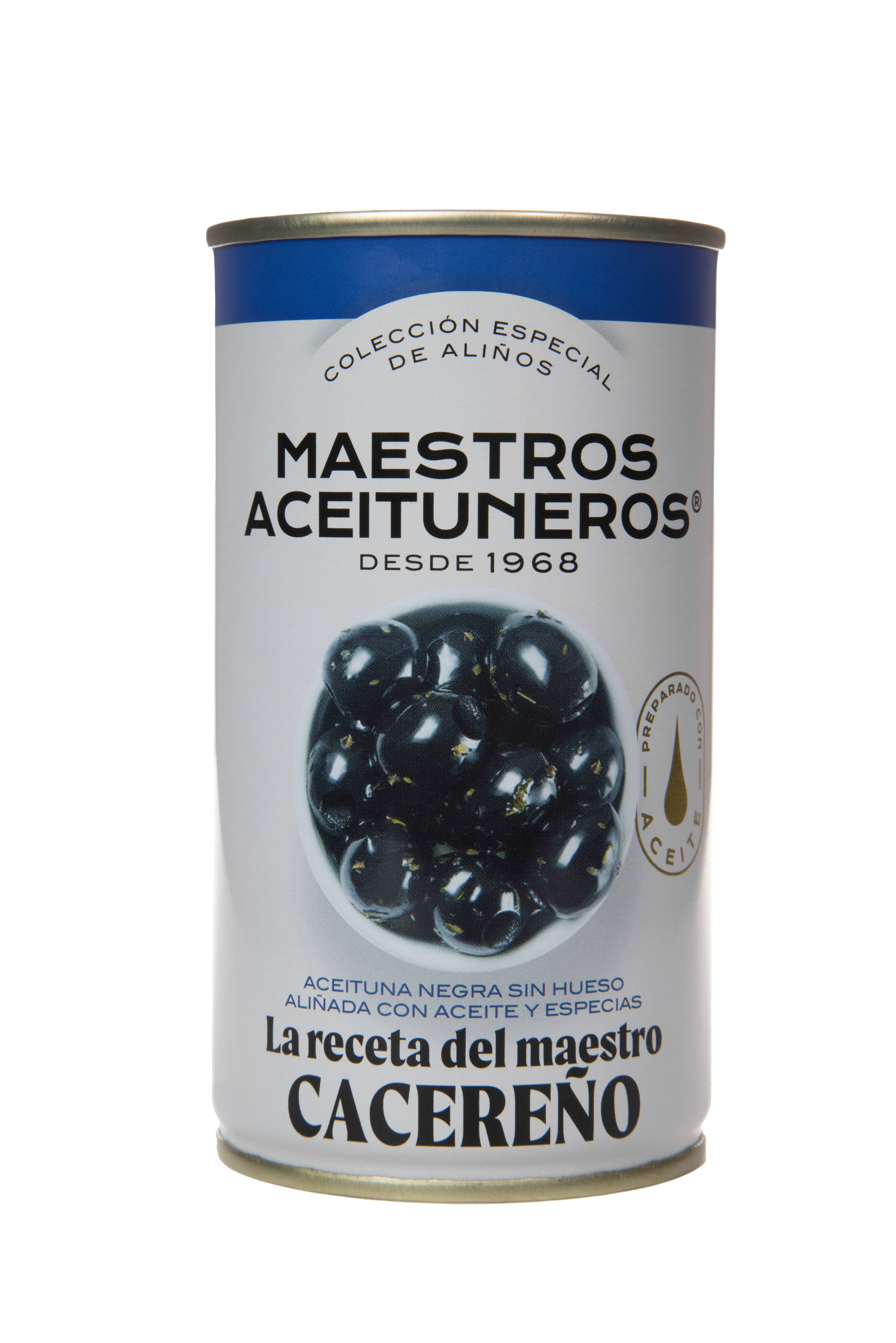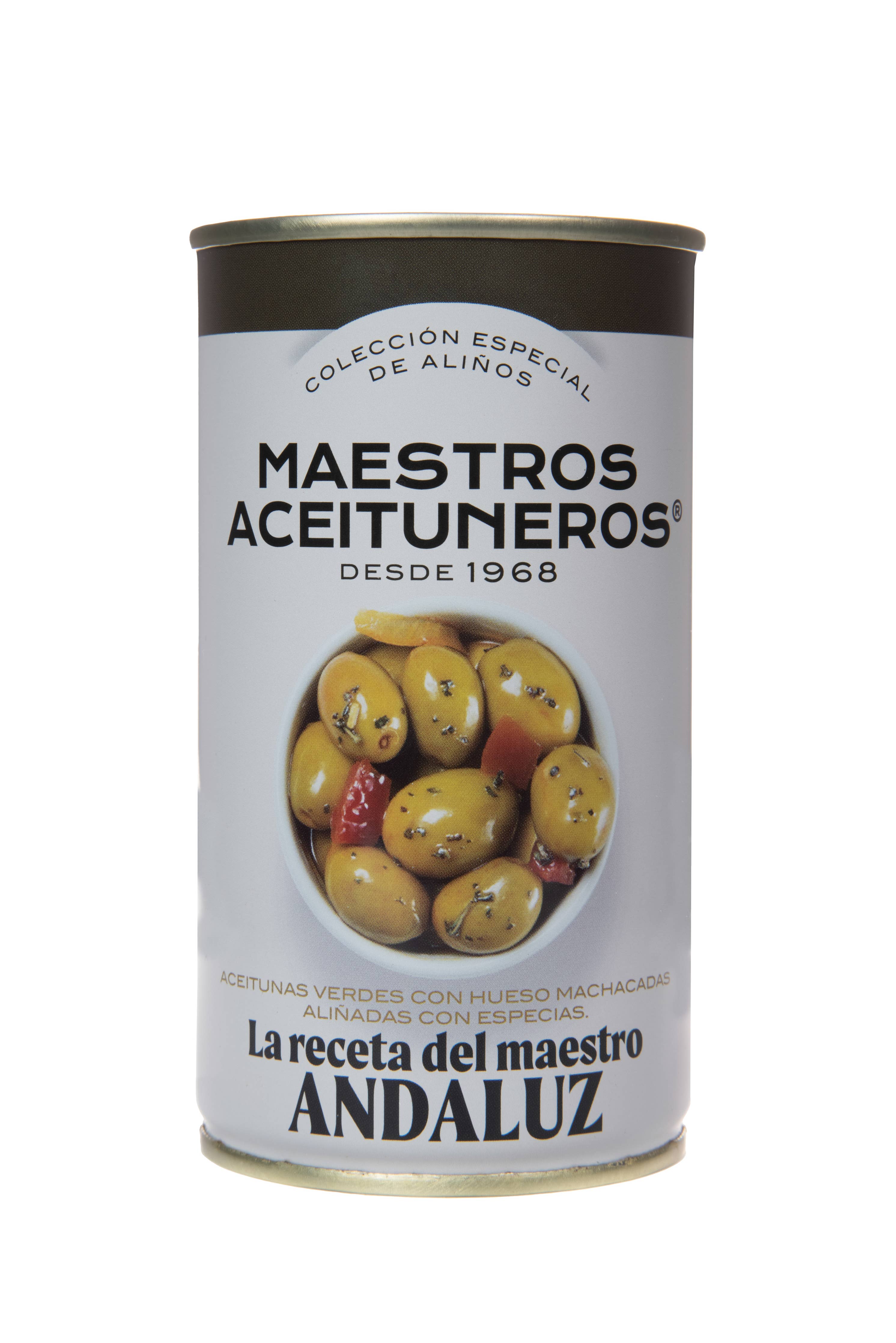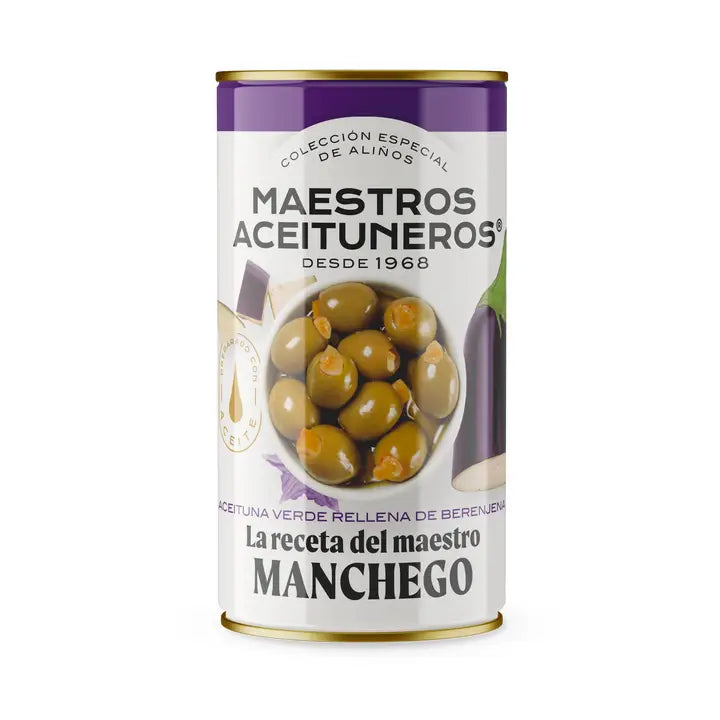
This olive stuffed with eggplant leaves us after a stint in Le Cellier. It's an opportunity to tell what it was, how it occupied our shelves, and why, like all transient products, it continues on its way.
The story of this house
Maestros Aceituneros operates in Extremadura, a region historically recognized for its olive groves and its transmission of preservation craftsmanship. The house follows in this tradition: an artisanal approach where each fruit is handled with intention, where fermentation and preparation remain gestures, not industrial processes.
Extremadura holds a singular place in the Spanish olive oil landscape. Between the red earth and ancient olive groves, the terroir exhales a certain austerity — the very quality that gives local olives their mineral character and their capacity to welcome complex fillings without losing their own substance.
What made this product unique
The Manzanilla stuffed with eggplant distinguished itself through an asymmetry of flavors: the olive, naturally salty and fleshy, dialogued with a light, almost discreet filling. The eggplant — prepared without artificial preservatives — brought a subtle umami note, a vegetable roundness that never attempted to dominate the fruit itself. It was an olive that accepted its filling rather than celebrated it.
From a technical standpoint, the 370 ml canister format remained comfortable: this rigid plastic container preserved the physical integrity of the fruits during rotation, while offering a generous portion (150 g drained) suited to regular household use. The artisanal hand was perceptible in this finish: no concrete uniformity, slight variations in color and size that testified to human work.
How we served it
As an aperitif, the stuffed olive would venture simply into a small bowl, alongside a glass of white wine or a glass of water with ice. Its vegetable-salty balance made it an interlude rather than a dominant accompaniment.
Some Origenistas had discovered a second life by incorporating it into plates of Manchego charcuterie: the eggplant, far from competing with ham or cheese, created a pause, a breath in the palate.
Finally, a less predictable use consisted of gently pitting the stuffed olive to recover the filling, and spreading it on a slice of toasted bread with a hint of sea salt. The olive flesh crumbled gently, creating a small crunchy and salty mound — a minimalist toast, very Mediterranean.
At the table
Three ways to serve it
Tap a card: the gesture and the pairing.
Why it left our Cellier
Like every product in Le Cellier, this stuffed olive followed its natural rotation cycle. Seasons change, houses offer new preparations, and our shelves breathe. This is not a disappearance, but a transition: a space that opens to discover other interpretations of the same olive world.
To go further
For those who will keep a light nostalgia for this olive-eggplant alliance, our current catalog preserves other stuffed preparations and other Provençal and Andalusian olives. We continue to explore the artisanal hands that transform the fruit; other houses offer mineral or herbaceous fillings that deserve the same curiosity. Consult our Olives section or explore the Mediterranean appetizers productions: there is always a new encounter to be made.
Le Cellier is a living notebook: we archive out of respect but the active catalog evolves. See our current selection in this category → · or browse the complete Cellier.
Quick quiz
Do you remember this olive?
Three questions, the answers are in the article.